
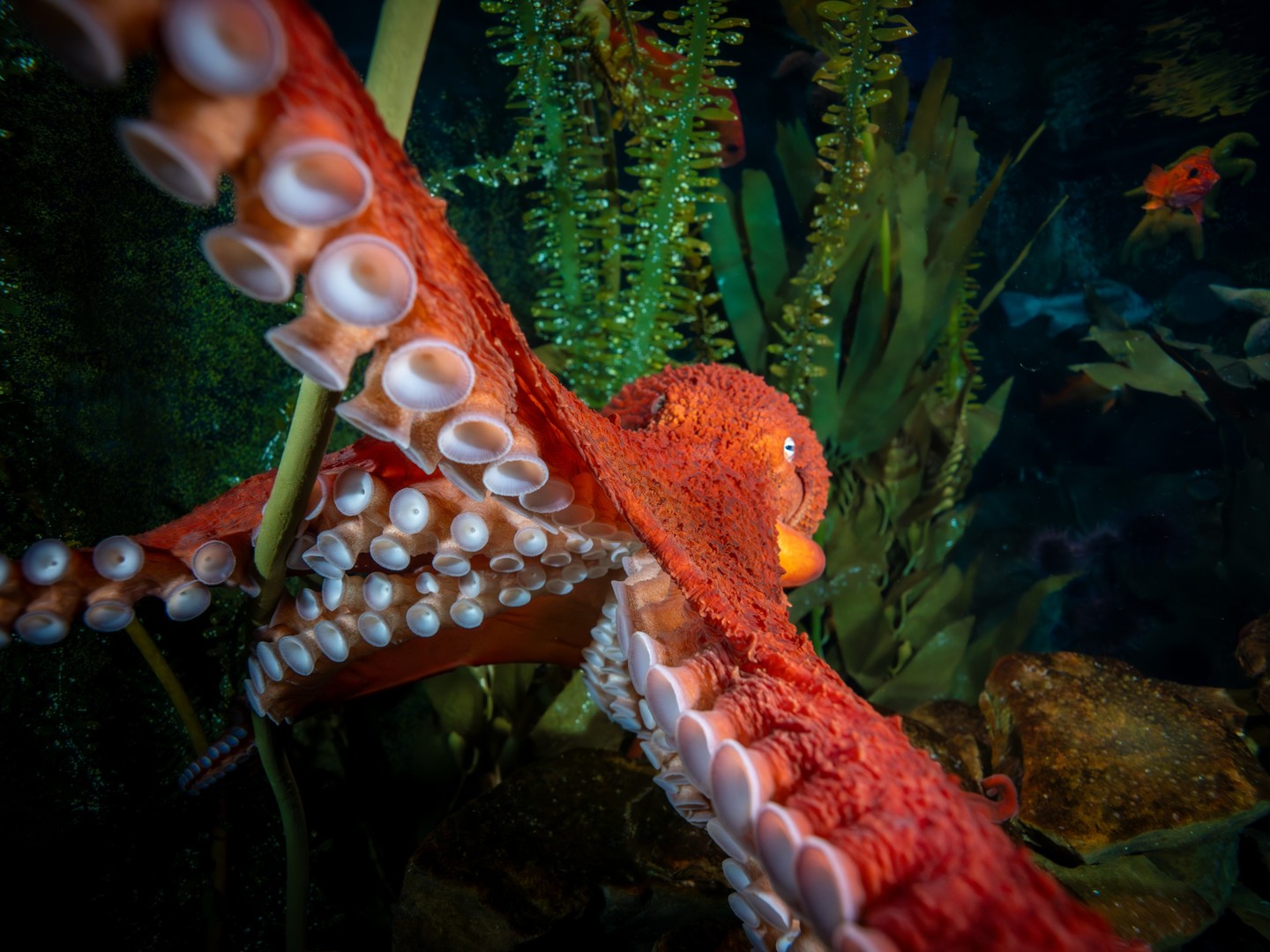
- The unique locomotion of the octopus through jet propulsion
- The physiological adaptations that empower this marine animal
- The ecological significance of octopuses in their habitats
- The role of octopuses in marine conservation and biodiversity
- Challenges they face and efforts to protect octopus populations
The octopus is a fascinating marine creature renowned not only for its intelligence but also for its remarkable method of movement. Using jet propulsion, octopuses can draw water into their bodies and expel it forcefully, allowing for rapid backward movement. This ability is vital for escaping predators. In a world teeming with potential threats, these adaptations enhance their chances of survival.
Jet propulsion allows the octopus to achieve swift retreats or sudden bursts of speed. When an octopus feels threatened, it contracts one of its body chambers, pushing water out through a funnel-like structure called a siphon. This movement propels the octopus backward at impressive speeds. The entire process is remarkably efficient, allowing the animal to escape predators such as sharks, larger fish, and even other octopuses. The ability to navigate the ocean with agility underscores how crucial locomotion is for survival in the marine ecosystem.
The physiological structure of the octopus plays a significant role in its impressive movement capabilities. Octopuses possess a soft, flexible body composed of muscle fibers that allow them to change shape. This adaptation not only aids in jet propulsion but also in squeezing into tight spaces to evade predators or ambush prey. Their bodies are devoid of bones, which permits a high degree of flexibility. Furthermore, the presence of a complex nervous system allows octopuses to coordinate their movements with precision. This combination of features plays into the octopus’s ability to thrive in various marine environments.
Octopuses also demonstrate exceptional behavioral adaptations. They can camouflage themselves by altering the color and texture of their skin. Chromatophores, specialized cells containing pigments, enable these creatures to blend into their surroundings. This ability is essential for evading visual predators and enhances their hunting skills. The octopus can swiftly change colors to adapt to different environments, hiding in plain sight as it searches for prey such as crustaceans, fish, and mollusks.
Ecologically, octopuses serve an important role in maintaining the balance of their marine habitats. Their diet consists of various organisms, which they regulate through predation. By controlling populations of prey species, octopuses contribute to the overall health of marine ecosystems. Additionally, many species of octopuses are known for their scavenging behavior. They consume detritus, which helps in nutrient cycling within marine food webs. This contributes positively to the ecosystem’s productivity.
Octopuses also face a range of ecological challenges. Climate change, overfishing, and habitat destruction pose significant threats to their populations. As ocean temperatures rise, many marine species, including octopuses, are forced to adapt to shifting conditions. Some species may thrive under warmer temperatures, while others may struggle to survive. Overfishing impacts food availability for octopuses and disrupts the balance in their environments. Anyway, communities around the world depend on octopuses for their economic value; overfishing can lead to a cascading effect on local fisheries.
Conservation efforts are crucial in supporting octopus populations and their habitats. Marine protected areas (MPAs) can safeguard essential breeding and foraging grounds. Implementing sustainable fishing practices will help maintain healthy octopus populations and their prey. Moreover, educating the public about the ecological significance of octopuses can foster a culture of stewardship. Awareness campaigns can engage communities in understanding the importance of preserving marine biodiversity.
Research into octopus biology and behavior also holds potential for advancing conservation strategies. Studies focused on population dynamics, habitat preference, and reproductive habits can inform management practices. Scientific knowledge is essential in developing policies that promote sustainable interactions between humans and marine ecosystems.
Finally, fostering international collaboration is imperative for effective marine conservation. Cross-border initiatives can address issues such as illegal, unreported, and unregulated fishing, which threaten not only octopus populations but entire marine ecosystems. Sharing data and resources will enhance conservation efforts on a global scale.
In summary, the octopus is not just a captivating creature but an essential player in our oceans. Its ability to move quickly through jet propulsion allows it to evade predators and thrive in diverse marine habitats. Understanding its physiological adaptations, ecological importance, and the challenges it faces is crucial for ongoing conservation efforts. By prioritizing the protection of octopus populations and their environments, we can contribute to the health of marine life and the balance of ocean ecosystems.
*****
Source Description
Uno is a STAR 🌟
Octopus can rapidly draw water in and expel it forcefully out of their body. This propels them swiftly backward helping to escape predators in the ocean.
