
- The significance of National Zoo Keeper Week
- Roles and responsibilities of zoo keepers
- Highlighting the contributions of specific individuals
- The importance of wildlife conservation in modern society
- Ways to support and appreciate zoo keepers and conservation efforts
National Zoo Keeper Week is dedicated to acknowledging the hard work and dedication of animal caretakers across various institutions. Although we may not operate a traditional zoo, it is essential to recognize the passionate individuals who play a vital role in wildlife conservation. This week prompts us to express gratitude to our committed team members striving to create a more sustainable world.
Zoo keepers serve as the primary caregivers for animals within their facilities. They are responsible for ensuring each animal’s physical and mental well-being. This includes tasks like diet preparation, habitat maintenance, and monitoring health. Furthermore, their roles extend into educational opportunities for the public. By sharing their knowledge, zoo keepers promote awareness about wildlife and environmental issues, inspiring future generations to care for animals and their habitats.
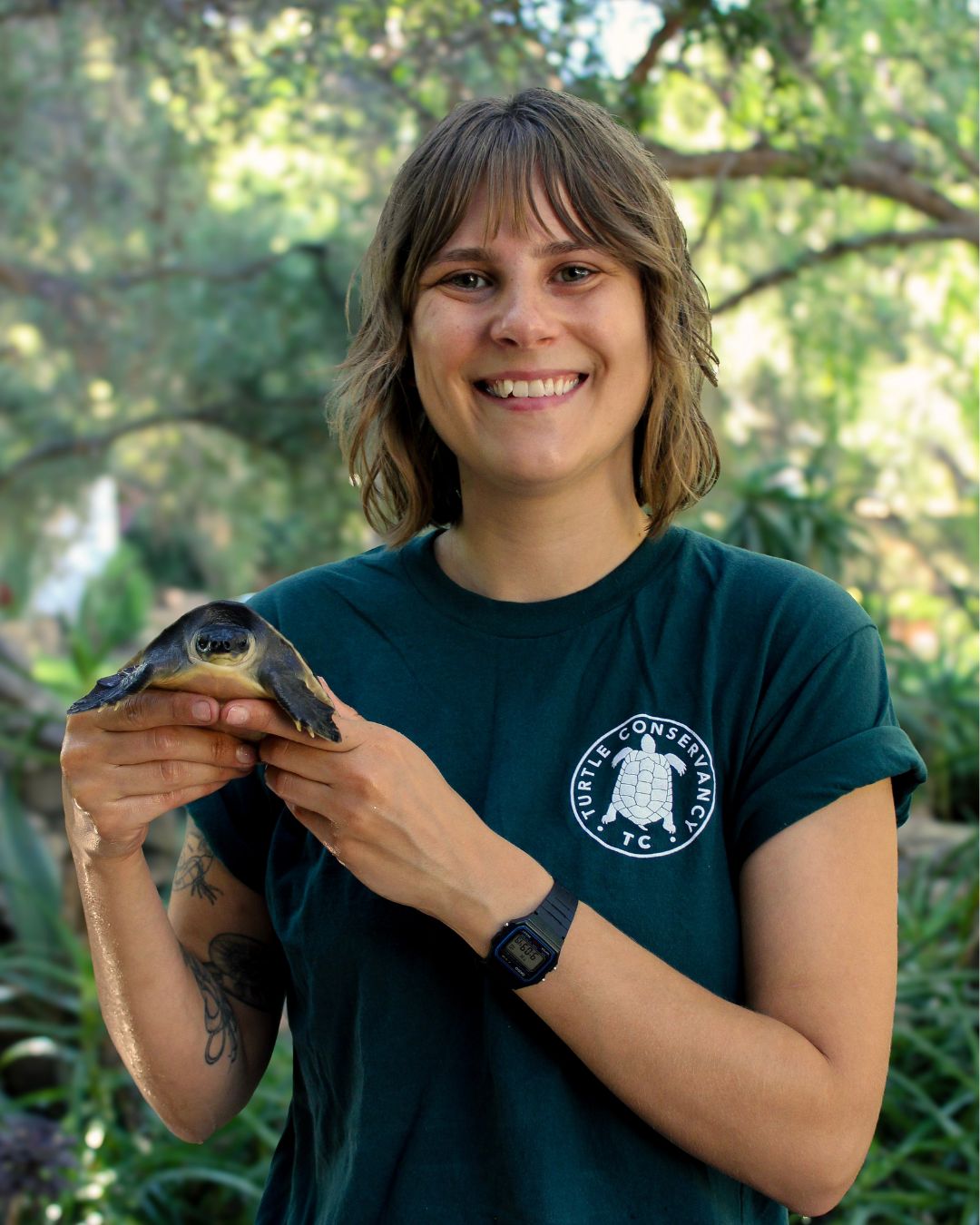
Cora is an exemplary figure in our conservation center, serving as both a veterinary assistant and chelonian keeper. Her passion for reptiles shines through her daily interactions with the diverse species residing at our facility. Cora finds fulfillment in observing sick or injured animals improve under her care. Her dedication to animal welfare is evident in her meticulous attention to detail. Watching the progress of a Pig-nosed turtle (Carettochelys insculpta) during its recovery is particularly rewarding for her. This experience helps illuminate the crucial role of veterinary care in wildlife rehabilitation.
For those unfamiliar, the Pig-nosed turtle is a freshwater species native to New Guinea. It’s distinguished by its unique appearance and is critically important to local ecosystems. Ensuring the health of such species, therefore, has far-reaching implications for biodiversity conservation and ecosystem stability. Cora’s role not only contributes to the health of individual animals but also reflects broader conservation efforts. This extends to creating educational programs to inform the public about the ecological importance of turtles, spawning a sense of responsibility towards preserving their habitats.
James, our Director and Veterinarian, embodies the dedication that has marked 15 years of his service in our organization. He has extensive experience in both the medical and managerial aspects of wildlife care. His position allows him to supervise various projects aimed at improving animal health and welfare at the Turtle Conservancy. Seen here with one of our Galapagos tortoises (Chelonoidis nigra), James represents the vital intersection of practice and advocacy within the field of zoology.
Galapagos tortoises are among the most iconic species in conservation history. Their evolutionary adaptations provide critical insights into the science of climate change and species survival. The work James does is not just about maintaining the health of individual tortoises; it also involves scientific research, a fundamental aspect of preserving their habitats. Each tortoise’s health is intertwined with broader environmental initiatives, underscoring the importance of comprehensive wildlife management.
The roles of zoo keepers and veterinary staff are diverse and multifaceted. Responsibilities may include habitat design, animal training, breeding programs, and research contributions. It is important to recognize that animal care extends beyond basic health checks. Different animal species require tailored approaches based on their specific needs. Constant education and training are essential for keepers to remain effective.
Essentially, these dedicated professionals act as both caretakers and educators. Their expertise enhances public understanding and appreciation of all animal life. Many zoos and conservation centers host educational programs, workshops, and interactive events to engage visitors. This outreach fosters a sense of community and inspires future conservationists. Each interaction with the public highlights the importance of protecting our environment.
National Zoo Keeper Week serves as a focal point for highlighting conservation efforts. While it takes place in zoos, it is also a reminder of the challenges many wildlife species face today. Habitat loss, climate change, and poaching are among the many threats endangering wildlife. By supporting zoo keepers, individuals are also supporting the larger conservation movements working to address these issues.
Conservation initiatives today cannot succeed without the dedication of professionals in the field. Many of these individuals dedicate their lives to the welfare of animals while also striving to mitigate threats to wildlife survival. For example, in addition to caring for animals, they often engage in research that informs policies aimed at species protection. The knowledge gained from such research contributes significantly to our understanding of biodiversity and ecosystem management.
Community involvement also plays a vital role in conservation efforts. Individuals can support zoo keepers by volunteering their time, participating in local clean-ups, or advocating for wildlife-friendly policies. Educating oneself and others about the specific challenges facing wildlife species can lead to more impactful conservation efforts. Additionally, many institutions offer membership programs that provide financial support, allowing them to expand educational initiatives and care for animals effectively.
Zoo Keeper Week highlights the need for ongoing advocacy. Spreading awareness about conservation issues and supporting organizations dedicated to wildlife can lead to valuable changes. Education can empower communities to take action, advocating for sustainable practices that benefit both humans and animals alike. As more individuals become engaged, the impact can ripple through society, effectively addressing wildlife preservation.
Support for wildlife conservation and the work of zoo keepers is integral to our mission. Recognizing the contributions of dedicated professionals like Cora and James not only honors their hard work but also emphasizes the importance of their roles. Together, we learn and inspire others to engage in wildlife conservation.
Experiences with animals aren’t just educational; they can evoke deep emotional connections. When people see animals like Galapagos tortoises or Pig-nosed turtles, they often feel a sense of responsibility to protect these creatures and their habitats. When folks recognize the stories of individual animals, they can appreciate the broader implications of conservation.
It’s vital, therefore, to promote personal connections to wildlife in meaningful ways. Programs that encourage hands-on experiences and interactions can generate lasting impressions. Such initiatives can help spark interest in conservation that lasts a lifetime.
Science plays an essential role in conservation by providing evidence-based solutions. Collecting data on species populations, understanding behavioral patterns, and assessing habitat conditions are crucial for informed decision-making. Internships and research positions are opportunities for budding conservationists to learn from seasoned professionals. These experiences not only build skills but also ingrained a passion for animal welfare and environmental stewardship.
Moreover, collaboration among wildlife organizations can amplify efforts. Partnerships with universities and research institutions can lead to innovations in husbandry, medical care, and conservation strategies. Together, these collaborations harness a wealth of knowledge that improves the effectiveness of conservation actions.
In the end, National Zoo Keeper Week is a reminder of the importance of teamwork—between zoo keepers, veterinarians, and supporters alike. Without each segment functioning optimally, conservation goals would lounge in the background.
Zealous efforts from individuals like Cora and James create ripples across communities. Their dedication inspires others to take up the cause of wildlife conservation. Learning more about animals and supporting the professionals who care for them fosters a culture of responsibility and action.
Thanking our keepers and promoting awareness of their work is essential, especially during National Zoo Keeper Week. By doing so, we not only honor their contributions but also lay the groundwork for a sustainable future for wildlife. Wildlife is an integral part of our ecosystems, and protecting it is a collective effort that starts with appreciation and acknowledgement of those on the front lines of wildlife care. Employing a proactive stance towards conservation begins with understanding the importance of these roles.
By supporting wildlife conservation efforts, individuals can contribute to the protection of natural habitats and the promotion of biodiversity. The diverse species, whether turtles or tortoises, play a critical role in maintaining the health of their environment. Each action counts. Each moment spent advocating for these animals fosters a lasting impact.
As National Zoo Keeper Week unfolds, take a moment to reflect on the essential work performed by devoted keepers rolling up their sleeves for wildlife. They are not just taking care of animals; they are protecting the fabric of life on Earth.
*****
Source Description
Happy National Zoo Keeper Week 🦎
While we are not a zoo, we still want to thank our passionate and dedicated keepers. (Part 02)
Meet Cora, our new vet assistant and chelonian keeper. She loves working with the diverse species at our conservation center and getting to see sick/injured animals progress with her treatments. Here, she’s pictured with one of our Pig-nosed turtles!
Meet James, our Director and Veterinarian here at the Turtle Conservancy. He has been a part of the organization for 15 years and is pictured with one of our Galapagos tortoises!
