
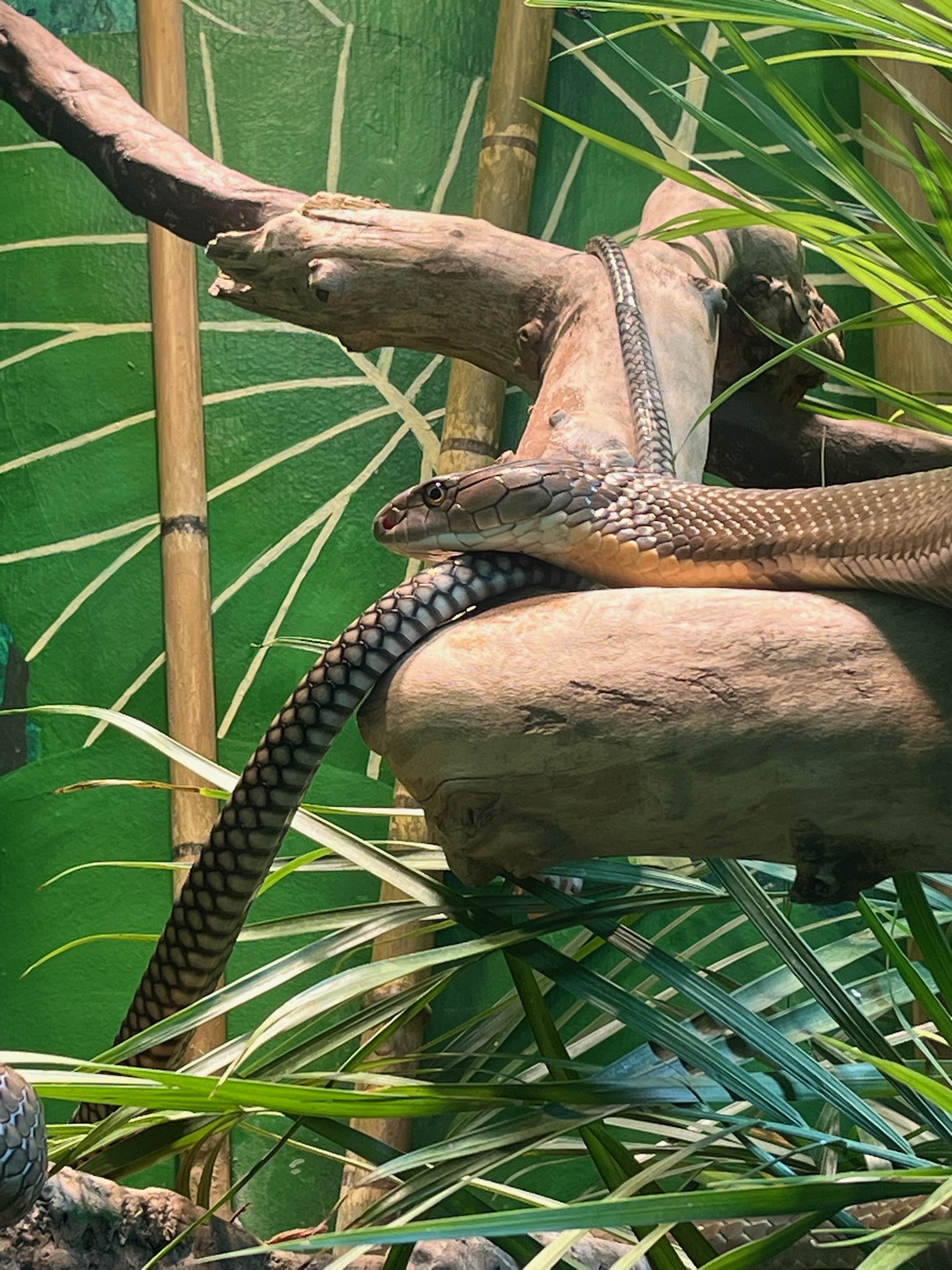
Summary of Snake Week Finale: Welcoming a New King Cobra, Alex:
On the final day of Snake Week, the Reptile House introduces Alex, a 6-year-old King Cobra and their newest, longest snake. Weighing over 6 pounds and estimated at least 10 feet long, Alex is the longest venomous snake species in the world. Since joining in June of last year, he has been kept behind the scenes while teams worked on his habitat, which is now complete. Visitors are encouraged to come and see Alex explore his new environment for the last day of the event.
- Introduction to Alex, the new King Cobra at the Reptile House
- The significance of King Cobras in the snake family
- The collaborative efforts in creating Alex’s habitat
- Visitor engagement during Snake Week
- The importance of wildlife conservation and education
Alex, the newest member of the Reptile House family, is a remarkable addition, marking the finale of Snake Week. This six-year-old King Cobra, weighing in at over six pounds, is estimated to exceed ten feet in length. King Cobras hold the title of the longest venomous snake globally, making Alex not just a captivating spectacle, but also an important ambassador for understanding these fascinating reptiles.
King Cobras are unique among snake species due to their size and behavior. They primarily inhabit forested areas in Southeast Asia, including countries like India, Thailand, and Indonesia. Renowned for their intelligence, King Cobras are capable of exhibiting complex behaviors, such as hunting techniques that include the use of ambush tactics. These snakes primarily consume other snakes, including lesser cobras and rat snakes, but they are also known to prey on small lizards and rodents when necessary. Their venom is neurotoxic and can immobilize their prey effectively, allowing them to consume larger meals. Understanding the intricate biology and natural history of King Cobras can foster a deeper respect for these reptiles, aiding in their conservation.
The story of Alex extends beyond his impressive size and anatomy. Since arriving at the Reptile House last June, significant collaborative efforts have been undertaken to design a habitat befitting such a magnificent creature. The reptile keeper team has worked closely with maintenance and volunteer enrichment teams to construct an environment that mimics Alex’s natural habitat as closely as possible. These habitats often include water features, climbing structures, and appropriate temperature gradients to support his health and well-being.
For the past several months, Alex has resided behind the scenes, engaging in a gradual acclimatization process that allows him to adjust to human care. Multiple meetings were held to discuss environmental enrichment programs, ensuring that Alex will have access to stimuli that promote natural behaviors. These enrichment activities are essential not only for physical health but also for mental stimulation. Animals in captivity can suffer from stress and boredom, making thoughtful habitat design crucial.
Alex’s new habitat is designed to replicate the environments he would encounter in the wild, which includes areas for hiding, climbing, and basking. Knowledge of King Cobra behavior was vital in creating such an environment. These snakes are often found in mangrove swamps, rainforests, and grasslands, and they exhibit a strong preference for both arboreal and terrestrial habitats. Providing these features allows visitors to observe Alex in an interactive and educational manner.
As Snake Week comes to a close, the anticipation surrounding Alex’s public unveiling builds. This exciting event is more than just an opportunity to meet a new animal; it serves as a platform for conservation education. The Reptile House aims to raise awareness about the threats facing King Cobras in their natural habitats, such as habitat destruction and illegal poaching. Through interactions with visitors, staff can educate them about the vital role snakes play in ecosystems as predators, which helps to control rodent populations, among other functions.
During Snake Week, a variety of activities aim to engage the public and foster a connection between people and reptiles. Interactive displays, live demonstrations, and educational talks led by reptile experts elevate the visitor experience. Attendees have the chance to learn about the anatomy, behavior, and ecological importance of not just King Cobras but other snake species as well. This educational approach offers attendees insights into the broader issues of wildlife conservation and the specific needs of reptiles.
The inclusion of animals like Alex in educational programming can help dispel common myths surrounding snakes. Many people view snakes with fear, often misunderstanding them as dangerous. Educational initiatives work to replace this apprehension with admiration, highlighting the beauty of these creatures and reinforcing the importance of respecting their space in nature. The more people understand about these reptiles, the more likely they are to advocate for their protection.
Wildlife conservation efforts play a crucial role in maintaining biodiversity and protecting ecosystems. It is estimated that between 75% to 90% of the King Cobra’s habitat has been lost due to human activities. These disturbances enforce a need for programs that focus on habitat preservation and awareness campaigns. Organizations that center around research and conservation are essential for implementing protective measures. Ongoing efforts to educate local communities about the ecological impact of King Cobras can encourage coexistence rather than conflict, resulting in a healthier environment.
While King Cobras can indeed be dangerous, it is crucial to underscore their ecological role. They help to maintain the balance of ecosystems, contributing to the control of populations of other species. By fostering an understanding of these dynamics, we can further promote the understanding that wildlife deserves conservation.
As we welcome Alex, the King Cobra, into his public habitat, it is important to reflect on the broader responsibilities we hold in wildlife stewardship. Engage with the exhibits and interact with our knowledgeable staff who aim to spread the word about these remarkable animals and encourage sustainable practices. The opportunity to learn about Alex is just the beginning; many more educational resources and engagement opportunities are available throughout your visit.
Experiencing Lakewood’s newest reptilian resident further highlights the importance of supporting local wildlife conservation initiatives. Beyond simple admiration, consider getting involved with community programs aimed at protecting local habitats. Support for these efforts is paramount for the long-term survival of not just King Cobras, but countless species that share their environments.
Join us as we celebrate the conclusion of Snake Week with Alex, the newly introduced King Cobra, highlighting both the splendor and significance of these reptiles. Engaging with Alex offers a unique opportunity to appreciate the natural world and inspires a commitment to preserving wildlife for generations to come. Visitors can witness firsthand how dedication, collaboration, and education come together to support conservation efforts, ultimately enhancing our understanding of and respect for nature.
