
- Understanding the Role of Zookeepers in Animal Care
- The Educational and Conservation Impact of Zoos
- Specialized Skills and Training for Zookeepers
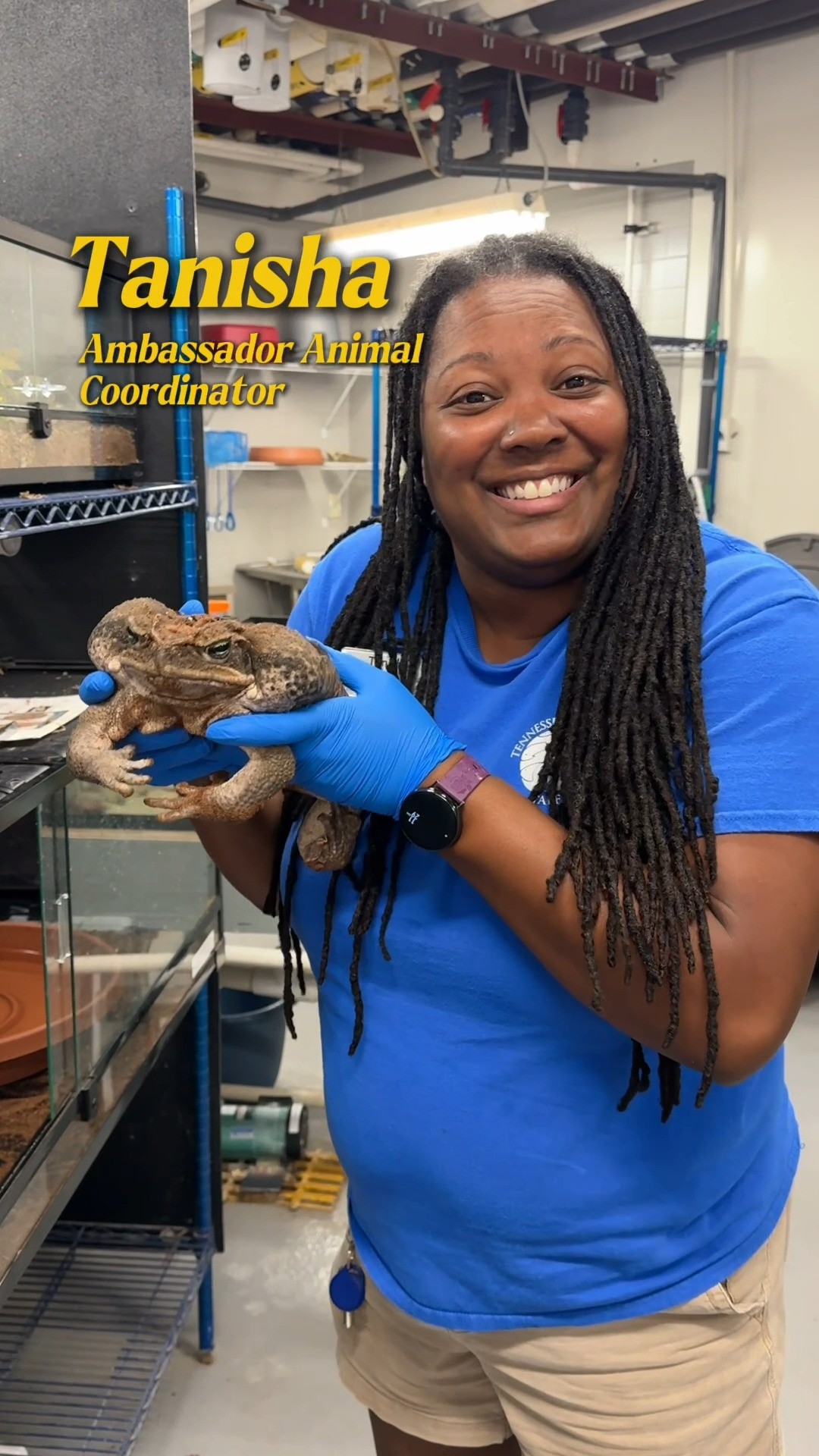
- Profiles of Dedicated Zookeepers at Our Facility
- How National Zookeeper Week Promotes Wildlife Awareness
The role of zookeepers is crucial in maintaining the health and well-being of animals in their care. These dedicated professionals perform daily tasks that ensure the animals are fed, monitored, and engaged in activities that promote their physical and psychological health. Their responsibilities extend far beyond mere feeding and cleaning. Zookeepers create structured environments that mimic the animals’ natural habitats. This simulation plays a significant role in reducing stress and encouraging natural behaviors.
Zookeepers are often responsible for health assessments. They observe the animals closely for any signs of illness or injury. Should any concerns arise, zookeepers work closely with veterinarians to address issues promptly. This proactive approach is foundational in animal care, as it helps maintain high standards of health and prevents potential outbreaks of illness within the zoo.
Educational programming is another significant aspect of what zoos accomplish. Educating the public about animals and their habitats is essential for fostering a sense of responsibility and stewardship towards wildlife. Zookeepers often guide these programs, sharing their knowledge and passion with visitors through talks, demonstrations, and special events. Programs often highlight conservation efforts and the critical status of many species, thereby inspiring visitors to engage in these efforts actively. Animal care staff play a vital role in these educational initiatives by acting as ambassadors for wildlife.
Training and skills development are also vital areas for zookeepers. They often possess a background in biology, zoology, or animal husbandry, but practical experience is equally critical. Working with different species requires a comprehensive understanding of animal behavior, diets, and habitat needs. Many institutions offer specialized training programs that teach zookeepers about specific species. These extensive training modules equip zookeepers with the tools necessary to care for a diverse range of animals, from large mammals like elephants to smaller creatures such as reptiles.
This week is dedicated to celebrating zookeepers across the nation. At our facility, we have an exceptional team who exemplifies professionalism and dedication. For example, Emily, a zookeeper specializing in primate care, spends her days monitoring the social dynamics within her group of monkeys. She observes their interactions, ensuring that they have opportunities for physical and mental enrichment. With her background in behavioral sciences, Emily implements play techniques to keep the monkeys engaged, enriching their daily life.
Similarly, Jake, another valued member of our staff, focuses on the health and care of reptiles. He has developed specific feeding regimens tailored to each species he oversees. His attention to behavioral cues allows him to identify changes in appetite, which could signal health issues. Through his expertise, Jake helps to educate visitors about the important roles reptiles play in ecosystems, touching upon their conservation.
In recognition of National Zookeeper Week, it’s essential to highlight the broader impact of zoos on wildlife conservation. Many species in zoos participate in breeding programs designed to support endangered populations. These zoological conservation efforts help maintain genetic diversity and can lead to successful reintroductions into the wild. For instance, the California condor program has been instrumental in bringing this majestic bird back from the brink of extinction. By collaborating with numerous wildlife organizations, zoos can play a pivotal role in preserving biodiversity.
The effects of zoos extend beyond mere animal care; they are integral components of global conservation efforts. Funding raised from zoo admissions often goes directly towards field projects that protect habitats and wildlife. Many zoos partner with organizations focused on habitat preservation. These partnerships contribute valuable research and resources aimed at combating poaching and other threats to wildlife.
National Zookeeper Week highlights these many contributions and fosters greater appreciation for the work being done. It serves as a platform for raising awareness about wildlife and the challenges they face. Educational outreach is one of the key elements that zoos leverage to promote conservation. This is achieved through community programs, school visits, and public workshops led by zookeepers.
In addition to education, zookeepers engage with a wide audience via social media. This avenue allows them to showcase daily activities and provide insights into the lives of animals. Sharing these experiences helps inspire a new generation of conservationists. This connection can be instrumental in fostering a sense of collective responsibility toward wildlife.
Zookeepers also engage in citizen science projects that enable the public to contribute to ongoing studies. These initiatives not only involve visitors but help collect valuable data for research. By integrating community engagement into conservation efforts, zoos create a collaborative environment that empowers individuals to make a difference.
Every zookeeper brings their expertise, passion, and unique approach to animal care. Collaborating with various teams within the zoo ensures that animals receive the most comprehensive care possible. Regular staff meetings allow zookeepers to share concerns, successes, and new ideas. This teamwork is pivotal in creating a cohesive plan for managing animal welfare effectively.
As National Zookeeper Week draws attention to zookeepers’ vital work, it’s essential to understand the commitment required to be successful. The responsibility of caring for animals can be demanding, but it is also profoundly rewarding. Zookeepers must show resilience and adaptability, especially when faced with unexpected challenges. Conditions can change rapidly, demanding quick assessments and actions to ensure animal safety and well-being.
In addition to their animal care duties, zookeepers are often entrusted with maintaining habitats. Maintaining the cleanliness and enrichments within habitats directly influences animal health. Zookeepers strive to balance maintaining animal wellbeing with creating captivating experiences for visitors. Their efforts contribute to the mission of education, conservation, and research.
Behind every successful animal care program is a structure of support that includes not just zookeepers, but also veterinarians, nutritionists, and curators. Together, they form a network focused on creating a safe and engaging environment for both animals and guests. This teamwork is what allows zoos to serve their dual role in conservation and education effectively.
As National Zookeeper Week progresses, it’s vital to reflect on the ongoing efforts within zoos and the implications these carry for wildlife conservation. Engaging with the public about these issues helps raise greater awareness of the challenges facing wildlife. By providing insights into the daily lives of our zookeepers and the animals in their care, we can cultivate a deeper understanding of the role individuals can play in protecting our planet.
Encouraging community involvement enhances the collective effort. By recognizing the importance of zookeepers during this week, we also highlight their contributions to a larger movement aimed at preserving our planet’s biodiversity. Every little effort counts; from spreading awareness to participating in conservation efforts, every action contributes to lasting change.
Ultimately, National Zookeeper Week showcases the essential work zookeepers do, emphasizing their role not only as caregivers but as ambassadors for wildlife conservation. Their passion and dedication inspire greater understanding, respect, and action towards preserving the world’s species and ecosystems. Through continued engagement, education, and collaboration, we can work together to ensure a sustainable future for both wildlife and humanity.
*****
Source Description
It’s National Zookeeper week! Let’s meet some of our animal care team in their element. ✨
