
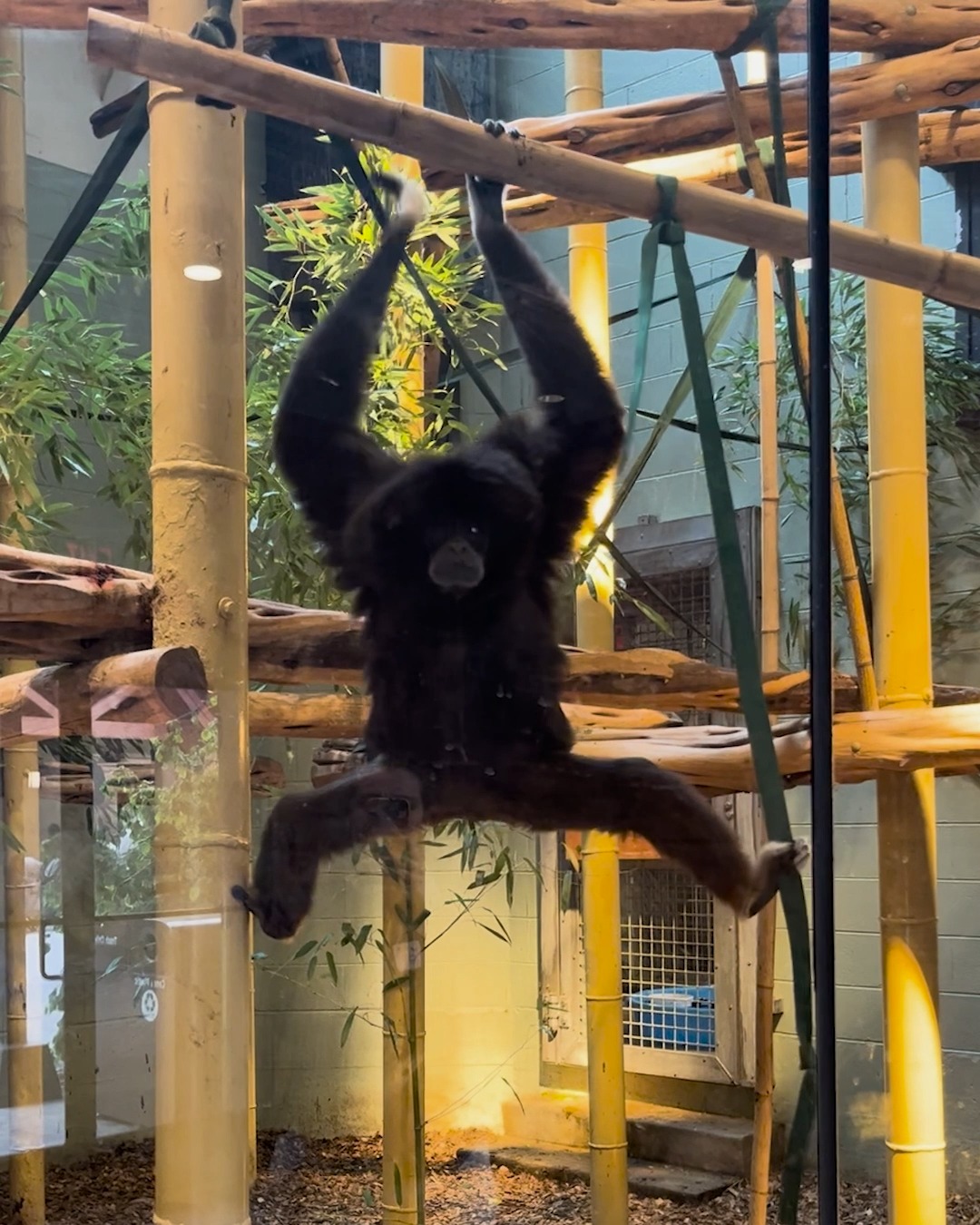
- Nipper’s significance as one of the oldest white-handed gibbons.
- The biology and behavior of white-handed gibbons.
- Zoo Knoxville’s efforts in animal care and conservation.
- The challenges and successes of caring for aging primates.
- Opportunities for public engagement and education at the zoo.
Zoo Knoxville is celebrating an extraordinary milestone this weekend: the 58th birthday of Nipper, one of the oldest white-handed gibbons in the United States. Known to scientists as Hylobates lar, white-handed gibbons are fascinating creatures, and Nipper’s longevity offers a unique opportunity to explore their biology and behavior while highlighting the efforts of zoos in conservation and care.
Nipper’s significance as one of the oldest white-handed gibbons is profound. Reaching the age of 58 is exceptional for any gibbon, as their lifespan typically ranges from 25 to 35 years in the wild. This impressive age mirrors the quality of care and commitment found at facilities like Zoo Knoxville. Nurturing an animal to such an advanced age requires a comprehensive understanding of gibbons’ dietary, social, and medical needs.
White-handed gibbons are small, tailless apes with long arms adapted for brachiation. This mode of locomotion involves swinging between tree branches, and it is not only a critical survival trait but also a fascinating behavior to observe. Gibbons are known for their loud, melodious calls that serve to communicate and establish territory within their forest habitats.
Their diet mainly consists of fruits, leaves, and occasional insects, requiring zoos to provide a well-balanced and varied menu to replicate their natural intake. Zoo Knoxville’s careful planning and attentive care effectively meet these nutritional needs, contributing to Nipper’s extraordinary longevity.
Aside from aging, the challenges in managing white-handed gibbons involve addressing their complex social behaviors. These animals usually form monogamous pairs, and their social structure is crucial for mental stimulation and overall well-being. At Zoo Knoxville, gibbons have access to enriching environments that encourage natural behaviors and interactions.
Zoo Knoxville is more than a sanctuary for gibbons; it plays a crucial role in wildlife conservation and education. By supporting breeding programs, maintaining genetic diversity, and participating in global conservation efforts, the zoo helps protect these enchanting primates. The zoo also educates the public on the importance of ecosystem preservation and biodiversity through interactive exhibits and informative sessions.
Caring for aging animals like Nipper poses unique challenges. As animals grow older, health issues become more prevalent. Geriatric care in zoos includes regular health assessments, specialized diets, and tailored habitats to accommodate decreased mobility and changing needs. Zoo Knoxville’s dedication to understanding these requirements ensures animals like Nipper continue to thrive.
Public engagement is an integral component of Zoo Knoxville’s mission. Celebrating Nipper’s birthday provides a prime opportunity for visitors to learn about gibbons and their role in the ecosystem. The celebration encourages the community to appreciate wildlife’s complexity and participate in conservation efforts.
Zoo Knoxville’s work in animal care and conservation is admirable and essential. As Nipper continues to captivate audiences, let us reflect on the commitment needed to protect such remarkable species and ensure they are part of our world for generations to come. Nipper’s journey is not just a testament to great care but a reminder of our shared responsibility towards Earth’s inhabitants.
*****
Source Description
Happy 58th Birthday, Nipper!
Zoo Knoxville is home to one of the oldest white-handed gibbons in the country and we’re celebrating Nipper this weekend!
Come by, learn more about all of our gibbon friends, and wish Nipper the happiest of birthdays!
