
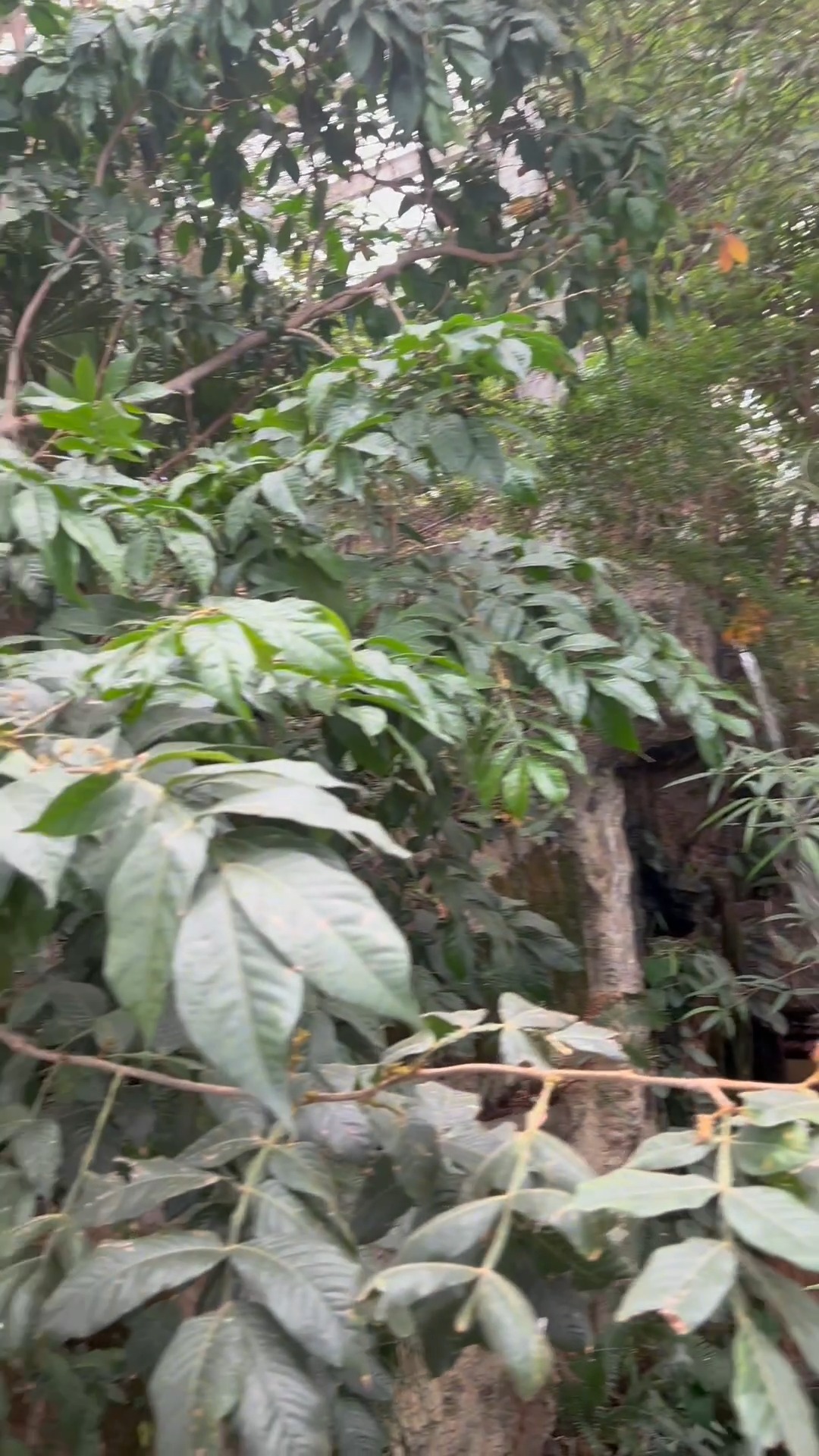
- Exploring the Cloud Forest and Cenote Transition
- Biodiversity and Ecological Significance
- Impact on Wildlife Conservation Practices
- Visitor Experience and Educational Opportunities
Exploring the Cloud Forest and Cenote Transition
Embarking on a vertical adventure from a cloud forest to a cenote represents a fascinating journey through diverse ecosystems. This unique experience allows you to traverse from the lush, mist-laden environments teeming with sloths to the mysterious waters where sharks may reside. Such an adventure is rare, inviting nature enthusiasts and scientists alike to investigate these dynamic biological landscapes.
A cloud forest is a subtropical or tropical moist forest characterized by persistent, low-level cloud cover, usually at the canopy level. These forests, found on mountain slopes, harbor a rich diversity of flora and fauna, adapting to the humid climate and high altitude. Epiphytes, including orchids and bromeliads, thrive here, alongside diverse bird species and mammals like the ever-charming sloth.
Descending into a cenote—a natural sinkhole exposing groundwater—introduces visitors to a contrasting aquatic habitat. These limestone formations, prevalent in regions such as the Yucatán Peninsula, serve as portals to underwater ecosystems. In these waters, one may encounter a range of aquatic life forms, from small fish to larger marine creatures like sharks.
Biodiversity and Ecological Significance
The transition from cloud forest to cenote demonstrates the fascinating biodiversity present in these areas. Each location is a living classroom, showcasing the rich interplay of species adapted to their environments.
Cloud forests contain multiple layers of vegetation, which support a diverse array of wildlife. The constant moisture in these forests creates niches for amphibians, insects, and mammals. The sloth, a tree-dwelling species, epitomizes adaptation with its slow movements and specialized diet of leaves. Meanwhile, the presence of endemic bird species, such as the resplendent quetzal, exemplifies the forest’s importance as a haven for biodiversity.
The cenote offers a different ecological perspective. These natural wells reveal an underground world where ecosystems function differently from their terrestrial counterparts. Unique fish and plant species have adapted to life in low-light conditions, and the clear waters often become a sanctuary for studying aquatic biology and geology. Additionally, cenotes hold cultural significance for indigenous communities, often seen as sacred spaces.
Impact on Wildlife Conservation Practices
The study and preservation of these ecosystems underscore the importance of wildlife conservation. The biodiversity within cloud forests and cenotes serves as an indicator of environmental health and stability, with implications for conservation policies and practices.
Conservation efforts often focus on preserving the delicate balance within these habitats. Cloud forests face threats from deforestation and climate change, which disrupt the unique climatic conditions essential for their survival. Protecting these areas requires coordinated efforts to mitigate habitat destruction and promote sustainable land-use practices.
Cenotes, on the other hand, confront challenges such as pollution and over-tourism. Conservationists advocate for protective measures that safeguard water quality and prevent ecological disruption. Initiatives may include restricting access, regulating tourism, and promoting conservation education. By maintaining the integrity of these environments, we safeguard the intricate relationships that have evolved over centuries.
Visitor Experience and Educational Opportunities
Experiencing the transition from cloud forest to cenote offers unparalleled educational opportunities. Visitors can witness firsthand the wonders of these ecosystems while gaining a deeper understanding of environmental science and conservation.
Educational programs encourage exploration and discovery, fostering an appreciation for the natural world. Guided tours and interpretive centers often provide insights into the ecology and cultural heritage associated with these areas. By promoting an interactive learning environment, these experiences inspire visitors to become advocates for conservation.
Moreover, the shift from terrestrial to aquatic environments enhances a visitor’s comprehension of ecological principles. Observing sloths in their arboreal habitat juxtaposed with viewing sharks in a cenote highlights the diversity of life and adaptation strategies.
These educational endeavors underscore the significance of preserving such ecosystems. By raising awareness and fostering a sense of stewardship, we contribute to the ongoing effort to protect and sustain our planet’s natural heritage.
The vertical journey from cloud forest to cenote encapsulates the essence of biodiversity and conservation. It highlights the interconnectivity of ecosystems and the imperative to protect these invaluable natural resources for future generations. This adventure serves as a reminder of our shared responsibility to understand and conserve the world around us.
*****
Source Description
A vertical adventure: cloud forest ➡️ cenote 🌿🌀🐟
Where else can you go from sloths to sharks in one walk?
