
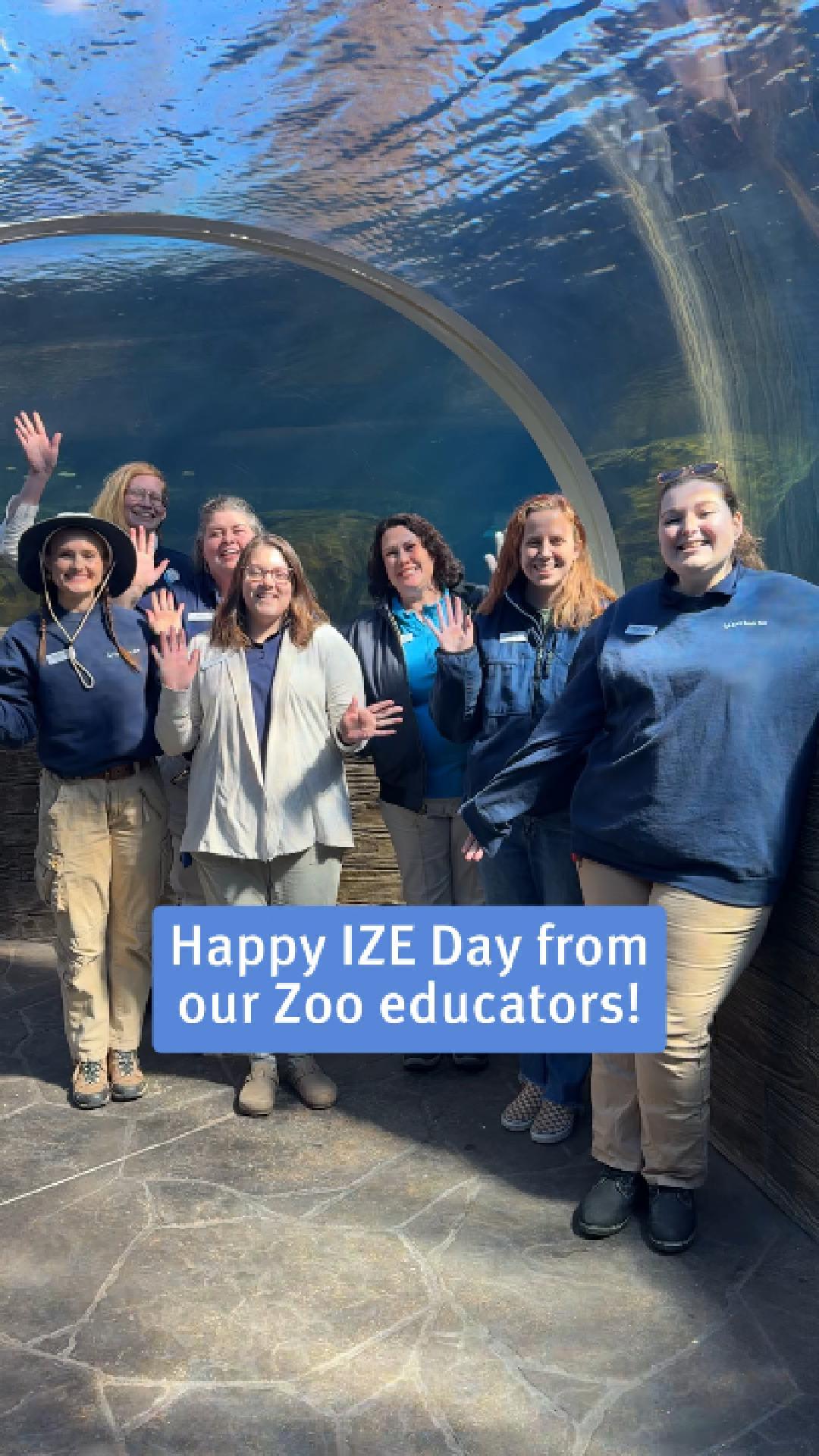
- The diverse roles of zoo educators in wildlife conservation.
- Innovative classroom visits and their impact on learning.
- The importance of overnight adventures for immersive education.
- Engaging the community through animal facts and shared knowledge.
- Celebrating educators on the International Day of Zoo & Aquarium Educators.
Zoo educators play a vital role in wildlife conservation and the broader mission of zoos. They serve as the bridge between animal care and community engagement, utilizing their specialized knowledge to inspire curiosity and advocacy for wildlife. Their multifaceted approach combines in-depth understanding of zoology with effective communication strategies, fostering a culture of compassion and respect for all living creatures.
Zoo educators engage with diverse audiences in various environments, facilitating hands-on learning experiences. One noteworthy accomplishment is their ability to adapt curriculum across age groups. Whether hosting school groups or community organizations, they customize activities to suit diverse instructional needs. This flexibility allows them to connect with everyone, from preschoolers to adults, fostering a shared appreciation for wildlife.
Classroom visits stand as a primary way that zoo educators stimulate learning. During these sessions, the educators bring a piece of the zoo environment to the classroom, utilizing interactive demonstrations and engaging discussions. For instance, many educators incorporate live animals or biofacts—such as feathers, bones, or furs—to provide tactile experiences that deepen understanding. These interactions not only make complex biological concepts relatable but also ignite a passion for wildlife conservation among students.
Zoo educators often emphasize the importance of the animal kingdom’s diversity. Each species plays a critical role in its ecosystem, making understanding their behavior and needs essential. An example of this is the role of bees as pollinators. Educators explain how bees not only contribute to plant life but also support food sources for a variety of animals, including humans. Through lessons like these, educators illustrate the interconnectedness of life and the need for sustainable practices.
Overnight adventures at the zoo represent another innovative direction in zoo education. These immersive experiences allow participants to engage with wildlife after hours. Families or school groups often spend the night learning about animal behaviors that occur during nighttime, experiencing the zoo from a fresh perspective. Activities may include guided night walks, interactive workshops, and animal enrichment demonstrations. Such adventures help participants appreciate the unique challenges and wonders of wildlife, building a deeper emotional connection to nature.
Educators aim to foster values of stewardship and environmental awareness through these overnight programs. Participants learn about conservation initiatives and the ways they can contribute to protecting wildlife in their own communities. For instance, they might explore habitat restoration projects or learn about local wildlife conservation efforts. The hands-on nature of these experiences ensures that participants leave with practical knowledge and the motivation to advocate for wildlife preservation.
Sharing animal facts is another essential component of zoo education. In celebration of the International Day of Zoo & Aquarium Educators, many educators highlight fascinating and lesser-known animal truths. For example, did you know that octopuses possess three hearts and blue blood? Educators use such intriguing facts to pique interest and foster discussions about each creature’s role in its ecosystem. Sharing knowledge about biodiversity reinforces the urgency of conservation efforts.
This connection to wildlife education has ripple effects within the community. When educators share their expertise, they empower individuals to engage in conservation. Schools and community groups are increasingly sought to collaborate with zoos, leading to programs designed around local wildlife initiatives. This connection strengthens community bonds while elevating the importance of ecological balance.
The collaborative efforts seen in community partnerships are invaluable. They create avenues for broader engagement with conservation initiatives. For instance, educators often partner with local organizations to tackle pressing environmental issues. Activities could involve collaborative clean-up events, tree planting, or habitat restoration days. These efforts reinforce local connections, as community members see firsthand the measurable impact of their involvement.
Educators’ work demands extensive training and a solid background in zoology and ecology. Continuous professional development ensures they remain updated on the latest research and conservation strategies. These professionals are passionate about wildlife and adept at sharing their knowledge in accessible, engaging ways. They exhibit a commitment to lifelong learning, showing that education doesn’t stop at a diploma or degree.
Additionally, technology plays a significant role in modern zoo education. The use of digital platforms has expanded educational outreach, allowing for virtual field trips and online workshops. This adaptability has become particularly crucial in recent years, making education accessible to all, regardless of location. Through webinars and online resources, zoo educators can reach a broader audience, instilling a love and respect for wildlife even in those unable to visit the zoo in person.
Engaging social media campaigns share powerful messages about conservation and wildlife protection. Educators leverage these platforms to inform and inspire community members on a wider scale. By utilizing interactive elements, such as challenges or quizzes, they foster community participation and enthusiasm for wildlife education.
Zoo educators are instrumental in creating a culture of empathy towards animals. By explaining not just what animals do, but why they do it, students learn to appreciate the complexities of animal behavior and the threats posed by habitat loss, climate change, and poaching. This understanding is fundamental in cultivating the next generation of animal advocates, individuals who will fight for sustainability and conservation.
Moreover, their efforts contribute to debunking myths and misconceptions about animals. Education helps counteract harmful stereotypes, such as those surrounding predators like wolves or snakes, emphasizing their critical ecological roles rather than framing them as threats. By addressing these narratives, zoo educators foster a more balanced understanding of wildlife interactions.
Recognizing the efforts of educators is crucial. On the International Day of Zoo & Aquarium Educators, it is vital to reflect on their contributions to wildlife conservation. Celebrating these professionals acknowledges their hard work and emphasizes the importance of education in fostering respect and stewardship for animals.
In recent years, stories and testimonials from students have highlighted the lasting impact of zoo education. Many children recall specific moments, such as petting a goat or observing a sloth, that ignited their passion for wildlife. These memories serve as powerful reminders of the role that hands-on experiences play in learning. They illustrate that engagement with nature can spark lifelong interests and commitments to environmental advocacy.
The narrative surrounding zoo education is ever-evolving, adapting to meet emerging challenges in conservation and changing educational needs. By leaning into creativity, technology, and community involvement, educators can enhance wildlife conservation efforts on a broader scale.
In conclusion, the inspiring work of zoo educators has a profound influence on individuals and communities alike. Through classroom education, overnight experiences, and shared insights, they empower the next generation of conservationists. Their commitment to cultivating curiosity and compassion for wildlife is vital to preserving biodiversity and ensuring a sustainable future for our planet. As we observe the International Day of Zoo & Aquarium Educators, let us recognize their invaluable contributions and the importance of wildlife education in an increasingly complex world.
*****
Source Description
Happy to our amazing Zoo educators! 💚 From classroom visits to overnight adventures, Zoo educators connect our community to wildlife through the power of learning.
To celebrate International Day of Zoo & Aquarium Educators, the Zoo’s Conservation Education Team shared their favorite animal facts with us. Thank you, educators, for inspiring the next generation of animal advocates with curiosity, compassion and education! 🌎
