
- The biology and characteristics of De Brazza’s monkeys
- The significance of baby De Brazza’s monkeys in conservation efforts
- The role of zoos like Pueblo Zoo in wildlife education and conservation
- The importance of public engagement and awareness in animal conservation
- The impact of media and social platforms in promoting animal welfare
The De Brazza’s monkey (Cercopithecus neglectus) is a fascinating species native to the forests and wetlands of Central Africa. This primate is easily recognizable due to its unique facial markings, which include striking white fur around the mouth and a distinctive crown of gray hair on its head. Adult De Brazza’s monkeys generally weigh between 15 to 30 pounds and are known for their agile movements through the forest canopy. They exhibit a remarkable combination of physical and social characteristics that contribute to their survival in the wild.
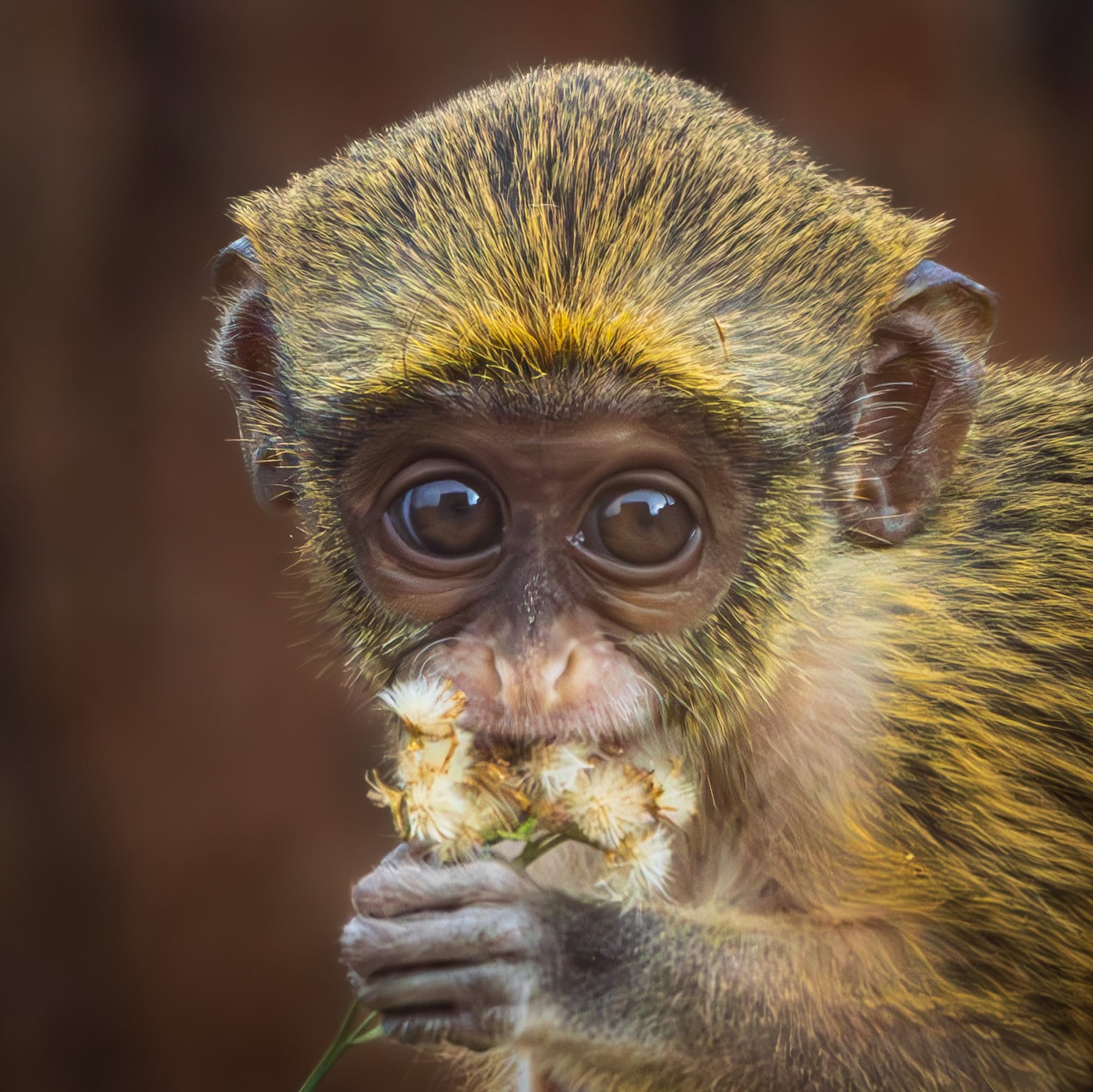
Baby De Brazza’s monkeys, however, hold a special place in the hearts of both visitors and animal care staff alike. With soft fur, bright eyes, and playful behaviors, the charm of these young primates often captures immediate attention. Observations of the baby monkeys show their natural curiosity and vitality, characteristic of their species. This adds to the growing list of reasons why the Pueblo Zoo and its community are expressing their fascination.
The conservation significance of baby De Brazza’s monkeys cannot be overlooked. As a species listed as “Near Threatened” on the IUCN Red List, their populations face threats from habitat loss, hunting, and the illegal wildlife trade. Captive breeding programs in zoological settings play a crucial role in the conservation of these monkeys. By ensuring a healthy and genetically diverse population in captivity, institutions like Pueblo Zoo can support efforts to reintroduce species into their natural habitats if circumstances allow.
Moreover, the role of zoos goes beyond mere animal care. They are essential in raising public awareness about various species and their conservation challenges. Pueblo Zoo, home to the adorable baby De Brazza’s monkey, not only provides visitors with an opportunity to observe these animals up close but also engages them in educational programs focusing on conservation efforts. Knowledge about how local and global actions affect wildlife can inspire people to take part in conservation initiatives actively.
Public engagement is vital to these efforts. The emotional connection that visitors feel toward animals, particularly young and appealing creatures like the baby De Brazza’s monkey, can galvanize support for conservation initiatives. Social media platforms have been instrumental in spreading awareness and fostering a sense of community among wildlife enthusiasts. Through captivating visuals and poignant stories, supporters are encouraged to become advocates for wildlife conservation in their own communities.
Zoos also emphasize the importance of community engagement. They often host events and programs designed to educate and inspire visitors of all ages. Programs at Pueblo Zoo may include guided tours, interactive workshops, and volunteer opportunities that immerse individuals into the world of wildlife conservation. These initiatives encourage a deeper understanding of the ecosystem and underline the importance of biodiversity.
Furthermore, media representation of animals, particularly through platforms like Instagram and Facebook, plays a critical role in animal welfare. Posts featuring the baby De Brazza’s monkey can spark conversations and raise awareness among the public. Scott Cowan’s lovely photos of this little one highlight the presence of De Brazza’s monkeys, spurring interest in the larger issues surrounding their habitat and conservation needs.
Incorporating technology and social media into conservation messaging not only enhances awareness but also promotes action. Successful campaigns can motivate audiences to participate in conservation efforts, from supporting local wildlife initiatives to advocating for policy changes. Positive representations of wildlife in media have the potential to shift public perception and foster support for critical conservation work.
Finally, as we reflect on the joy that the baby De Brazza’s monkey brings to our lives, it serves as a reminder of the urgency to act on behalf of vulnerable species. Through zoos like Pueblo Zoo, we gain insight into the lives of these creatures, assistance in their conservation, and a chance to connect deeply with the natural world. Each visit provides an opportunity to learn, understand, and appreciate the beauty and complexity of wildlife, ultimately guiding our actions toward more sustainable practices.
Educators and conservationists must continue to collaborate to maximize the impact of these messages and foster connections between people and wildlife. The engagement of individuals, especially the younger generation, can result in a more informed populace that values biodiversity.
Overall, the fascination with baby De Brazza’s monkeys is indicative of a broader trend in wildlife appreciation and conservation. As more people become aware of the delicate ecosystems that support these animals, the hope is that collective actions will lead to a more compassionate and environmentally conscious society. The baby De Brazza’s monkey at Pueblo Zoo is more than a symbol of cuteness; it embodies the urgent need for education, investment, and partnerships in conservation efforts globally.
In conclusion, wildlife conservation is a collective responsibility bolstered by knowledge and engagement. The enchanting baby De Brazza’s monkey serves as an ambassador for its species, conveying the urgent need for widespread action to protect not just itself but also the diverse ecosystems that it represents. By spreading awareness and fostering emotional connections, we have the potential to safeguard the future of vulnerable species and their habitats. This journey toward conservation does not end with the adorable imagery; instead, it opens the door to a larger conversation about respecting and preserving our shared planet.
*****
Source Description
To say we’re ✨💖OBSESSED✨💖 is the understatement of the year. The baby De Brazza’s monkey has captured all of our hearts here at Pueblo Zoo!
Have you been able to catch a glimpse of this cutie during your recent visits to the zoo?
Special thanks to Scott Cowan for capturing these lovely photos of the baby!
