
- The role of zookeepers in animal care and welfare
- The significance of human-animal bonds in zoos
- The professional development and training of zoo staff
- The impact of zoos on wildlife conservation efforts
- Stories and anecdotes that highlight keeper-animal interactions
The role of zookeepers in animal care and welfare is crucial to the overall functioning of a zoo. Zookeepers are responsible for the daily care of animals, which includes feeding, cleaning, health monitoring, and creating enriching environments where animals can thrive. This means crafting habitats that mimic their natural surroundings as closely as possible. For example, a zookeeper caring for a snow leopard must not only provide proper food but also create an area that allows the animal to exhibit its natural behaviors, such as climbing and hiding. This holistic approach is essential in promoting not just the physical well-being, but also the psychological health of these animals.
Zookeepers are trained professionals who understand the specific needs of various species. They often possess degrees in zoology, biology, or animal science, and participate in ongoing education to keep their skills and knowledge current. Exposure to new research, techniques, and animal behavior studies allows them to apply the best practices in animal husbandry. Through this continuous learning, zookeepers gain insights into species-specific care that ensures animals are not just surviving, but thriving in a zoo environment.
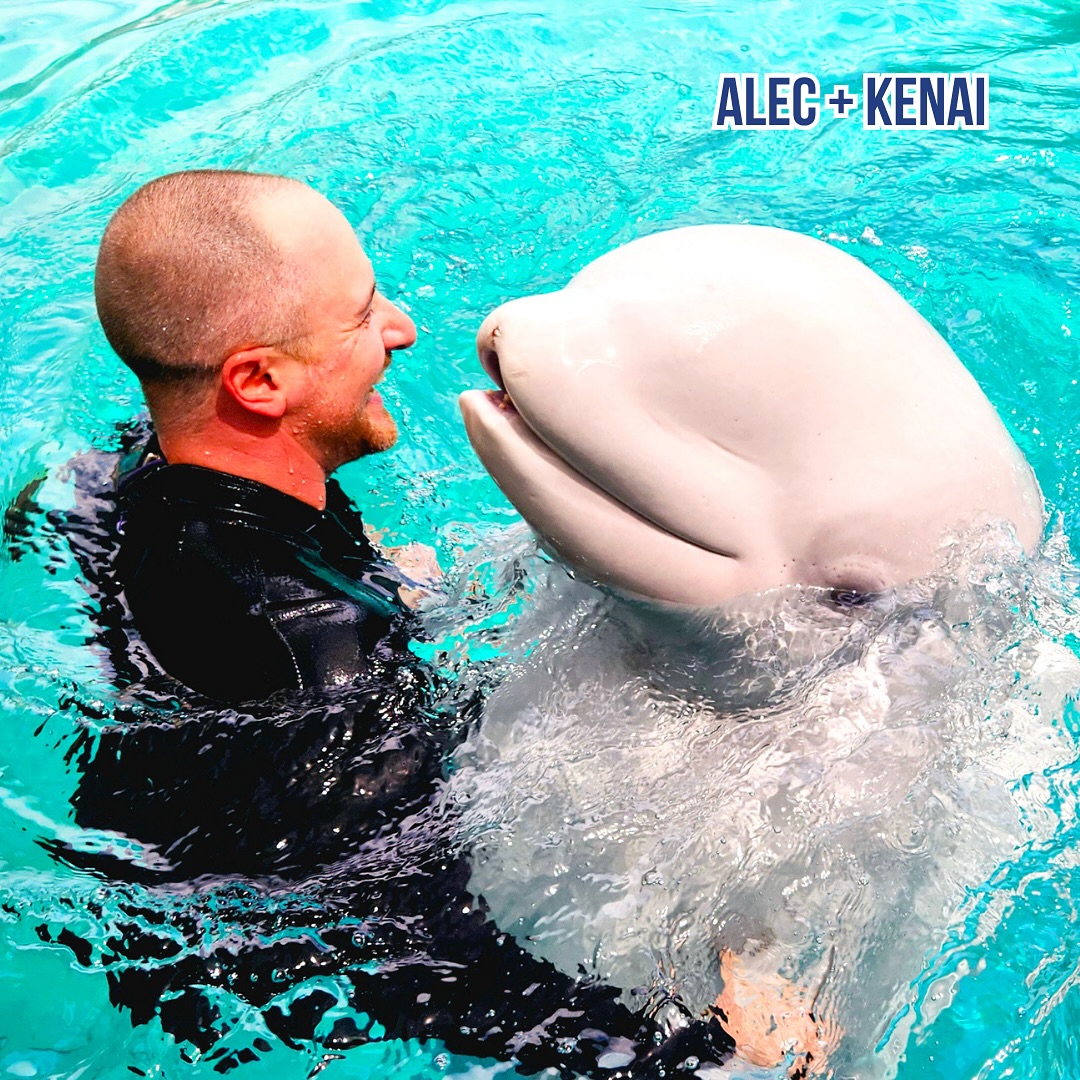
The significance of human-animal bonds in zoos cannot be overstated. These bonds enhance not only the animals’ welfare but also enrich the guest experience. Zookeepers often spend years building trust with the animals they care for. This trust is evident when an elephant approaches its keeper, or a big cat demonstrates playful behavior during feeding time. Such interactions have important implications for the animals’ mental health. When animals feel safe and comfortable, they exhibit more natural behaviors, making it easier for keepers to assess health and well-being.
Research has shown that these relationships can lead to improved learning outcomes. For instance, animals that are socialized from a young age tend to adapt better when engaging with visitors. This socialization enables keepers to educate guests effectively about the species, their habitats, and the various conservation challenges they face. A well-informed visitor leaves the zoo with a heightened sense of awareness about wildlife issues and may even be inspired to contribute to conservation efforts.
The professional development and training of zoo staff are also vital components of effective zoo management. Ongoing education programs help zookeepers stay informed about the best practices in animal management and care. Workshops on animal behavior, nutrition, and veterinary protocols frequently occur in many zoos. These initiatives not only enhance the skills of zookeepers but also improve the overall care of the animals. Many zoos have established mentorship programs where seasoned zookeepers pass on their experiences and expertise to newer employees. This emphasis on knowledge transfer creates a culture of learning and teamwork that ultimately benefits the animals.
Furthermore, many zoos encourage their staff to participate in conservation initiatives beyond their everyday responsibilities. Zookeepers often collaborate with researchers, nonprofits, and other institutions to contribute to conservation projects designed to protect wildlife in their natural habitats. This engagement allows zookeepers to apply their hands-on experience to broader conservation strategies, making them invaluable resources in the fight for wildlife protection.
The impact of zoos on wildlife conservation efforts is profound yet often overlooked. Modern accredited zoos are increasingly focused on conservation through breeding programs, scientific research, and public education. Species such as the California condor and the Arabian oryx are examples of animals saved from extinction through coordinated captive breeding efforts led by zoos. The knowledge gained from these programs is not only crucial for management practices within zoos, but it also provides vital information that helps conserve species in the wild.
In addition to breeding and research, many zoos are actively involved in habitat restoration projects and anti-poaching initiatives. Zookeepers often travel to assist in these projects, allowing them to leverage their skills to benefit wildlife outside zoo settings. The hands-on experience gained through working with animals in captivity can translate to successful strategies for managing wild populations. This dual focus has helped shift the perception of zoos from mere entertainment venues to key players in the global conservation movement.
Stories and anecdotes that highlight keeper-animal interactions often serve as powerful tools for education. These stories bring attention to the bonds formed between animals and their caretakers, showcasing the dedication and commitment zookeepers exhibit daily. For instance, a zookeeper might share a memorable moment when a young orangutan grasped their hand during training, highlighting the intelligence and emotional depth of this species. These personal accounts resonate with guests, enhancing their understanding of animal behavior and the importance of conservation.
Such stories also serve to humanize the animals, fostering empathy among zoo visitors. When people connect on an emotional level, they are more likely to become advocates for animal welfare and conservation efforts. A personal touch can transform a casual visitor into a lifelong supporter of wildlife preservation initiatives. Many zoos encourage their staff to share these experiences through outreach programs, social media, and community events, amplifying their impact on public awareness.
Interactivity with guests is also a fundamental aspect of a zookeeper’s role. Many zoos have adopted conversational programs where visitors can ask questions, watch training sessions, or even handle small animals under supervision. These experiences allow guests to deepen their understanding of animal care and conservation efforts. Zookeepers are often the face of the zoo, serving as educators and advocates for the animals in their care. Their ability to communicate effectively and passionately enhances the public experience.
Furthermore, these interactions can change perceptions about animals and their environments. When guests learn about the real challenges that species face—be it habitat destruction, poaching, or climate change—they may feel empowered to take action. Educational programs that include immersive experiences lead to a more engaged audience. Zookeepers often report that witnessing guests’ enthusiasm during these interactions is one of their most rewarding experiences.
It is important to underscore the ethical dimensions of zoo management. Many accredited zoos adhere to strict guidelines on animal welfare, emphasizing a commitment to the highest standards in care. This commitment is not only about meeting basic needs, but also about fostering environments that encourage natural behaviors. The welfare of the resident animals is paramount, guiding decision-making processes. Decisions around habitat design, nutrition, and enrichment are made with the goal of maintaining optimal physical and mental health.
Collaboration among keepers, veterinarians, and nutritionists ensures that the animals receive a balanced diet tailored to their species’ needs. This comprehensive approach also minimizes stress during veterinary visits and other routine procedures. The importance of regular health assessments cannot be overstated. Early detection of health issues can significantly improve treatment outcomes and overall longevity.
The role of zookeepers extends far beyond just animal care. Their work encompasses education, public engagement, conservation, and ethical management, making them vital components of a zoo’s mission. The impact of their relationships with animals can ripple throughout the zoo, influencing guests and promoting a culture of conservation. By sharing knowledge and fostering an appreciation for wildlife, zookeepers contribute to a more informed public—one that understands the urgency of protecting the planet’s biodiversity.
Through the dedication and passion of the teams at various zoos, visitors can witness firsthand the powerful bonds that develop between humans and animals. Every interaction, every story shared, serves to inspire future generations. These encounters encourage a connection to wildlife that fosters a deeper understanding of the need for conservation and stewardship of natural habitats.
Each day in a zoo is a testament to the hard work, expertise, and commitment of zookeepers. Their contributions not only enhance animal welfare but also serve as a bridge between the animal kingdom and the human world. It is this very connection that ignites passion for wildlife conservation, ultimately aiming to protect and preserve ecosystems for future generations. Sharing memories of those interactions enriches our collective efforts in advocating for global wildlife conservation.
*****
Source Description
This we’re shining a spotlight on the incredible teams at and celebrating the powerful bonds they’ve built with the animals in their care. 💙
Every day, our zookeepers go above and beyond, providing expert care and creating unforgettable moments that inspire generations of guests. Today, and every day, we honor their dedication, passion, and the heart they bring to everything they do.
Share a special memory from a time you’ve interacted with our team in the comments ⬇️
