
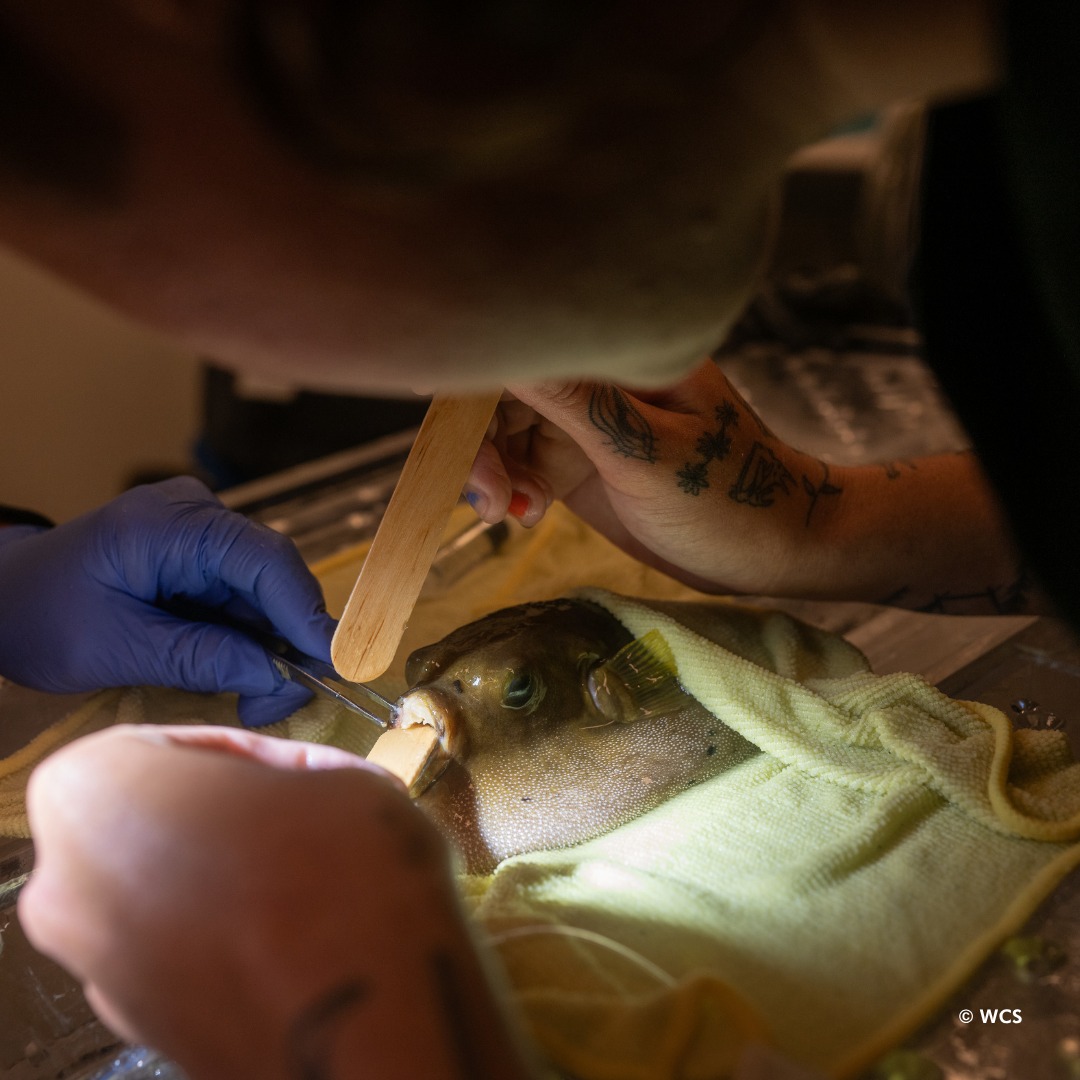
- Pufferfish dental anatomy and adaptation
- Feeding habits and maintenance of beak structure
- Importance of dental care in captive environments
- Conservation and ecological role of pufferfish
- Challenges faced by pufferfish populations
Pufferfish possess fascinating dental anatomy that sets them apart in the aquatic ecosystem. Their teeth are fused into a beak-like structure, resembling that of a parrot. This adaptation allows them to efficiently consume a varied diet, particularly hard food sources like shellfish and corals. In the wild, their beak grows continuously, necessitating a lifestyle that includes chewing on tough materials to keep their teeth from overgrowing. This natural behavior is vital, as it prevents dental overgrowth, which could impair their ability to feed.
Pufferfish primarily feed on hard-shelled snacks, such as clams and mollusks. This feeding behavior is essential, as it plays a critical role in managing their dental growth. The act of chewing helps wear down the beak, maintaining its functional length and shape. In environments where these fish have limited access to their natural diet, issues can arise. Without the opportunity to grind their teeth, captive pufferfish can experience overgrown beaks, leading to significant health risks.
Regular dental care becomes vital for pufferfish in captivity. To manage their dental health, veterinarians sometimes perform dental procedures to trim the beak. These procedures are not just routine; they are necessary to maintain the fish’s overall wellbeing. An overgrown beak can lead to difficulties in feeding, malnourishment, and further health complications. Understanding the physical and behavioral needs of pufferfish can help caretakers provide an environment conducive to their natural behaviors.
The ecological role of pufferfish is often overshadowed by their intriguing physical adaptations. They contribute to the health of coral reefs by grazing on hard corals. This activity can influence coral health and promote diversity within reef ecosystems. By keeping coral populations in check, pufferfish help maintain the balance within these delicate environments. Their ability to process hard materials also plays a role in nutrient cycling, enriching the marine environment.
Despite their ecological importance, pufferfish populations face numerous challenges. Overfishing, habitat destruction, and climate change pose significant threats. In areas where coral reefs are suffering from bleaching and degradation, the role of the pufferfish becomes even more crucial. Conservation efforts aimed at protecting marine habitats are essential to ensure that pufferfish can continue to thrive and fulfill their role in marine ecosystems.
Various conservation initiatives are currently addressing the needs of pufferfish populations. Marine protected areas (MPAs) have been established to safeguard critical habitats from exploitation. Additionally, public awareness campaigns aim to educate communities about the importance of these fish and their ecosystems. Promoting sustainable fishing practices will help alleviate pressure on pufferfish populations.
In summary, the adaptation of pufferfish to have their teeth fused into a beak-like structure is a compelling subject. Understanding their feeding habits and maintenance of this unique dental structure provides insight into their health and ecological role. By supporting conservation efforts, we not only protect pufferfish but enhance the overall biodiversity of our oceans.
*****
Source Description
Pufferfish have a unique adaptation: their teeth are fused into a beak-like structure that grows continuously. In the wild, they wear these teeth down by chewing on hard foods like shellfish or nibble on hard corals. Our veterinarian routinely performs dental procedures to manage the overgrown beak of this pufferfish.
