- The significance of tattoos as personal narratives and cultural symbols.
- The biology and behaviors of humpback whales, focusing on their migration and identification.
- The role of citizen science in marine conservation, particularly through whale fluke tracking.
- The impact of parks like Kenai Fjords National Park on wildlife education and conservation awareness.
- Personal stories and experiences that connect individuals to wildlife and conservation efforts.
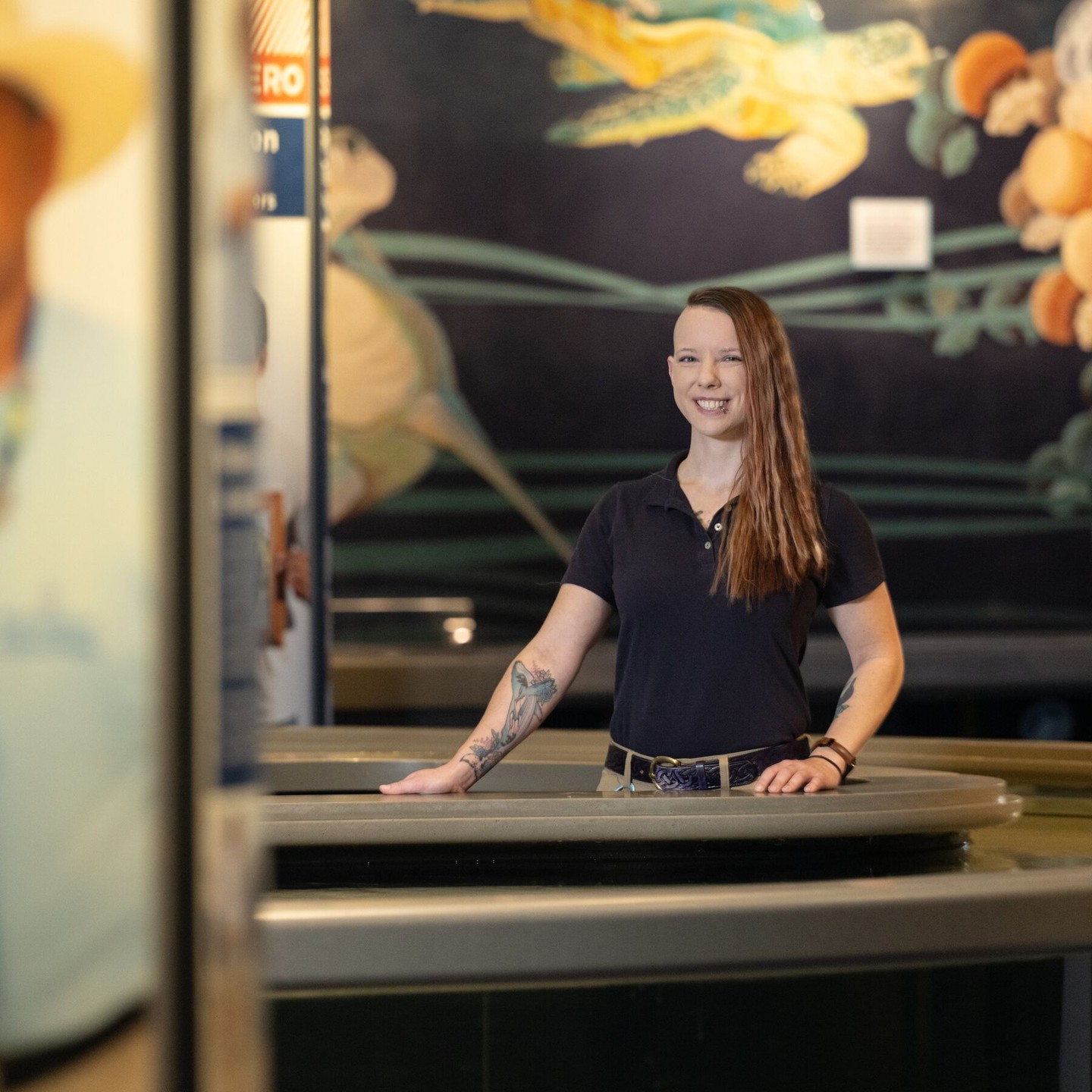
Tattoos serve as a unique way for many to express their experiences, beliefs, and connections to the world. Each design often tells a story, representing significant life events, personal milestones, or cherished memories. For Aubrey Snow, an Aquarium guest engagement aide, her humpback whale tattoo encapsulates her time in Alaska and embodies her passion for marine life and conservation. This tattoo is more than skin deep; it captures a narrative of adventure, learning, and a commitment to the natural world.
The humpback whale, a majestic creature known for its acrobatics and expressive behaviors, has fascinated humans for centuries. These large mammals can grow up to 60 feet long and weigh around 40 tons, making them one of the largest animals on the planet. Humpback whales are renowned for their intricate songs, which can last for hours and play a role in communication between individuals. They are distinguished not only by their size but also by the unique patterns on their flukes. Each whale’s tail fluke contains a distinct pattern of white and dark patches, akin to the human fingerprint. This biological feature has serious implications for research and conservation efforts.
Tracking humpback whales through citizen science initiatives has become increasingly popular, allowing individuals to contribute to understanding these magnificent beings. Programs that encourage the public to photograph whale flukes and upload them to online databases have emerged as powerful tools in monitoring their movements over time. Aubrey’s initial experience during her training cruise in Alaska highlights how engaging with these efforts can lead to meaningful connections with marine life. Capturing an image of a fluke, especially one associated with a recognizable whale, like Freckles, enhances a person’s appreciation for marine ecosystems and their inhabitants.
The significance of Kenai Fjords National Park cannot be overstated in this context. This park serves as a critical habitat for a diverse array of species, including humpback whales, sea lions, then orcas, and myriad birds. The clear waters of the fjords provide essential feeding grounds, while the surrounding mountains add to the breathtaking backdrop for both wildlife and visitors. Parks like Kenai Fjords create a sanctuary where individuals can learn about and appreciate nature’s wonders. As a former park ranger, Aubrey’s role in guiding boat tours allowed her to expose guests to the astounding biodiversity these protected areas offer. Education about both the species encountered and the ecosystems they inhabit fosters an understanding of the importance of conservation efforts.
Through her experiences, Aubrey embodies the essence of an engaged citizen scientist, someone who deeply cares about wildlife, education, and conservation. She recognizes the power of personal stories in fostering connections between people and the natural world. Each tattoo she creates to mark her journey through various states mirrors a significant phase in her life. The fireweed and forget-me-nots depicted in her design symbolize the specific flora native to Alaska, enriching her ink with deeper meaning while reminding her of the beauty surrounding her during her time in the state.
Aubrey’s chunk of ink reminds us that each person’s journey is intertwined with the ecosystems we inhabit. By sharing her experience and the story behind her tattoo, she encourages others to appreciate the personal bonds humans can develop within the natural world. To some, these connections may involve hiking, while for others, it may relate to observing wildlife or participating in the community conservation initiatives that protect delicate ecosystems.
One aspect of whale conservation that often goes unnoticed is the social responsibility we share as humans who care for marine environments. Every photo submitted to whale fluke databases can yield valuable information to researchers. As people engage in this type of citizen science, they become part of a larger narrative aimed at preserving the diverse aquatic habitats on our planet. This communal effort not only aids scientists but also empowers individuals by giving them a platform to contribute positively to conservation.
The importance of educating society about marine ecosystems extends beyond personal stories. The act of sharing information about species, their habitats, and endangerment threats fosters wider awareness. When visitors attend boat tours or educational programs in parks, they acquire knowledge about the species they witness firsthand. Aubrey’s experience, as well as others who share similar roles, proves empowering, revealing how personal narratives can act as powerful catalysts for change.
Kenai Fjords National Park serves as a case study in how beautiful destinations can simultaneously function as learning and conservation hubs. The experiences shared within protected areas bridge gaps, bringing individuals closer to the natural world. Visitors often leave with a greater understanding of marine ecosystems and a heightened sense of responsibility toward their preservation. Education programs in parks are essential in shaping perspectives about wildlife and conservation. They raise awareness of how human actions impact the environment and the animals that rely on healthy ecosystems.
As we explore the stories behind tattoos dedicated to wildlife, we see that they serve a purpose beyond aesthetics. These ink designs mark significant journeys, both literally and metaphorically. They reflect passions for conservation and shed light on the importance of preserving biodiversity. The daily interactions between humans and wildlife are increasingly crucial in our modern world, where habitat destruction and climate change threaten countless species.
Aubrey’s journey is illustrative of a broader trend involving increased public interest in marine conservation and awareness relating to local wildlife. Initiatives that engage people in tracking whale flukes demonstrate how to pool collective knowledge for greater outcomes. Citizen science invites everyone to contribute, facilitating a sense of ownership and responsibility for marine ecosystems. This collective effort ultimately plays a critical role in safeguarding habitats for wildlife.
The existence of organizations and technologies that support wildlife tracking has transformed conservation efforts. Photographs uploaded to online databases allow researchers to identify individual whales and map their migratory routes accurately. This data becomes invaluable in understanding population dynamics, breeding patterns, and migratory behaviors. Through community science programs, individuals can play an active role in facilitating ongoing research.
The impact of these programs cannot be understated. When citizens participate in these activities, they foster environmental stewardship while engaging in meaningful interactions with nature. By sharing personal stories, individuals can inspire others, prompting them to explore their understanding of ecosystems and wildlife. The narrative behind Aubrey Snow’s tattoo illustrates this connection vividly, reminding us of the bonds that can develop between humans and the natural world.
Given the pressing issues of climate change, habitat destruction, and overexploitation, educational and conservation initiatives are more critical than ever. As individuals share their stories and experiences, they contribute to a larger narrative of wildlife conservation and stewardship. The community-driven approach can transform individuals into champions for change, urging proactive measures to protect the ecosystems we cherish. Tattoos like Aubrey’s can stand as symbols of commitment to his cause, representing personal journeys interwoven with the vital stories of wildlife.
In a world facing myriad environmental challenges, the intersection of personal stories, tattoos, and wildlife conservation reminds us all of the importance of engaging positively with our surroundings. Every image of a fluke entered into databases, every educational talk given at parks, and every tattoo proudly displayed serves as a testament to the pride people take in connecting with nature and advocating for conservation. Through initiatives celebrating the relationship between humans and wildlife, we can collectively foster an appreciation for the natural world and the urgent need for its protection.
*****
Source Description
We’re celebrating with another installment of our running series highlighting our staff’s nature-inspired ink! 🖋️ Aubrey Snow, an Aquarium guest engagement aide, tells us more about her humpback tattoo 🐋:
“I’m working on getting a tattoo for every state I’ve lived in, which is a big job because I’ve lived all over the place. This is my tattoo for Alaska. The whale is a humpback, the mountain inside is Mount Denali, and the flowers are fireweed and forget-me-nots. In Alaska, I was a park ranger for Kenai Fjords National Park, where I guided boat tours. Nearly every day, we’d see wildlife, ranging from horned puffins to Steller sea lions to mountain goats. But the whales were the big showstoppers for me and the guests. Seeing one of the largest animals to ever live swimming in clear waters surrounded by snowcapped mountains is simply a magical experience.
Something interesting about humpback whales is that their flukes (or tails) each have a unique pattern, just like a human fingerprint. When researchers, visitors and community members take photos of whale flukes and upload them to online databases, they help us track the movements of humpbacks on their long migrations over the course of many years. I learned about this community science project on my very first training cruise when I moved to Alaska. A whale we had been following took a deep dive and raised her fluke up above the water, where I was able to snap a picture. When I checked the database that night, it turned out the very first whale I ever saw was a known female named Freckles, after the very spotty pattern on her fluke. And it’s her fluke pattern you can see in my tattoo!”
This is our eleventh installment of our running tattoo series, inspired by the Seattle Aquarium social series of the same name! Be sure to check back for more ink-credible tattoos. 🖤
