
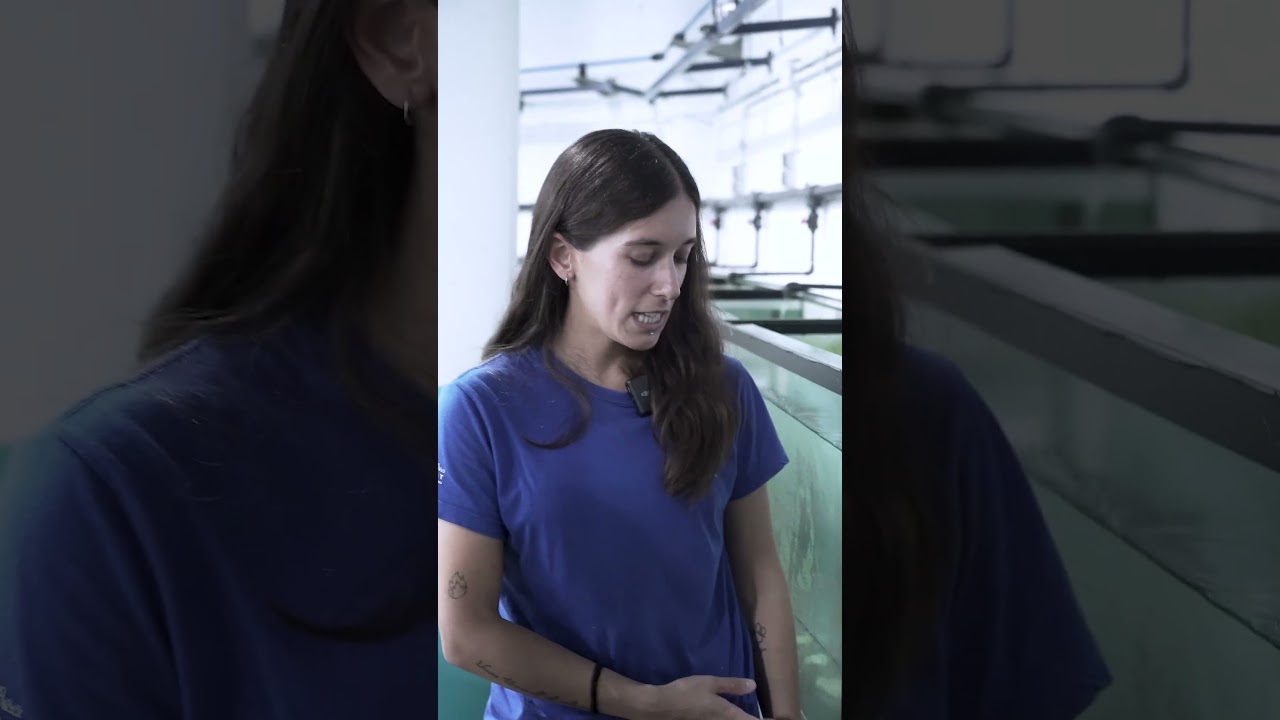
- Introduction to the Heterodontus francisci and recent births at Oceanogràfic
- Biological characteristics and habitats of the Heterodontus francisci
- Zoological management practices at Oceanogràfic for shark conservation
- Conservation significance and global perspectives on shark biodiversity
- Educational value and community engagement at Oceanogràfic
Sharks are extraordinary creatures that captivate scientists and enthusiasts alike. Among them, the Heterodontus francisci, commonly known as the horn shark, holds a special place. Oceanogràfic, a leading marine institution, recently celebrated the birth of a new horn shark pup, offering a glimpse into the careful management and conservation efforts focused on this unique species.
Introduction to the Heterodontus francisci and Recent Births at Oceanogràfic
The Heterodontus francisci, or horn shark, is a species with striking anatomical features and behavioral quirks. Known for their blunt heads and small, sharp teeth, these sharks are predominantly found in the Pacific Ocean. The recent birth at Oceanogràfic adds to their efforts in sustainable aquaculture, showcasing a successful reproductive program. Such events highlight the institution’s commitment to marine biodiversity, providing insights into the reproductive biology of this often-overlooked species.
Biological Characteristics and Habitats of the Heterodontus francisci
Horn sharks are small, reaching about four feet in length, and prefer shallow coastal waters with rocky reefs. Their coloration, a blend of browns and grays, provides camouflage among rocks and crevices. They display unique behaviors such as lying motionless during the day and becoming more active at night, feeding on hard-shelled mollusks and crustaceans.
The horn shark’s dentition is particularly adapted for crushing, with anterior teeth designed to grasp and posterior teeth perfect for grinding. The species is an example of evolutionary specialization, showcasing how sharks have adapted to specific ecological niches.
Zoological Management Practices at Oceanogràfic for Shark Conservation
Oceanogràfic employs rigorous strategies in conservation and animal husbandry. Their breeding program for Heterodontus francisci involves carefully monitored environments that mimic natural habitats. This simulation includes controlled lighting, temperature, and water quality, critical factors in encouraging natural breeding behaviors.
Staff trained in marine biology and veterinary science conduct regular health assessments, ensuring the well-being of these sharks. The breeding success story underscores the effectiveness of these practices, highlighting the importance of specialized care in maintaining genetic diversity and population health.
Conservation Significance and Global Perspectives on Shark Biodiversity
Sharks like the horn shark play crucial roles in marine ecosystems by maintaining the balance of species. Their status as apex or mesopredators means they influence the population dynamics of their prey, impacting the entire food chain. The conservation of horn sharks doesn’t only contribute to preserving species diversity but also to sustaining healthy oceanic environments.
Globally, shark populations are under threat from overfishing and habitat destruction. Institutions such as Oceanogràfic are instrumental in global conservation efforts, working alongside international organizations to implement strategic measures. These measures include enforcing fishing regulations and establishing marine protected areas, aiming to reverse declining trends.
Educational Value and Community Engagement at Oceanogràfic
Beyond conservation, Oceanogràfic places a strong emphasis on education, offering visitors a chance to learn about marine life through interactive exhibits and educational programs. The recent addition of the horn shark pup provides a unique opportunity to engage the public and raise awareness about the importance of marine biodiversity.
Initiatives include guided tours, workshops, and educational outreach programs designed to instill appreciation and respect for marine ecosystems. By connecting people with these creatures, the institution fosters a sense of responsibility and inspires future generations to contribute to conservation efforts.
Oceanogràfic’s efforts in managing the Heterodontus francisci population exemplify the intersection of science, conservation, and public education. The birth of a new shark pup is a testament to their dedication and serves as a beacon of hope in the ongoing endeavor to conserve oceanic wonders.
Sharks are more than fascinating subjects of study; they represent vital components of ocean health. The work at institutions like Oceanogràfic is instrumental, offering both a refuge for these species and a platform for public engagement. Their mission resonates globally, reminding us of our role in preserving the delicate balance of the world’s oceans.
*****
Source Description
🌊 También conocido como suño cornudo, esta especie de elasmobranquio del orden Heterodontiformes ha nacido por primera vez en el #Oceanogràfic, un gran hito para nuestro equipo de Cuarentena y Océanos.
⚠️ Este nacimiento simboliza la importancia de proteger a los tiburones, uno de los grupos de vertebrados más amenazados del planeta.
🔹 Podéis conocer esta especie en el acuario del @restaurantesubmarino.
#RestauranteSubmarino #Oceanogràfic
