
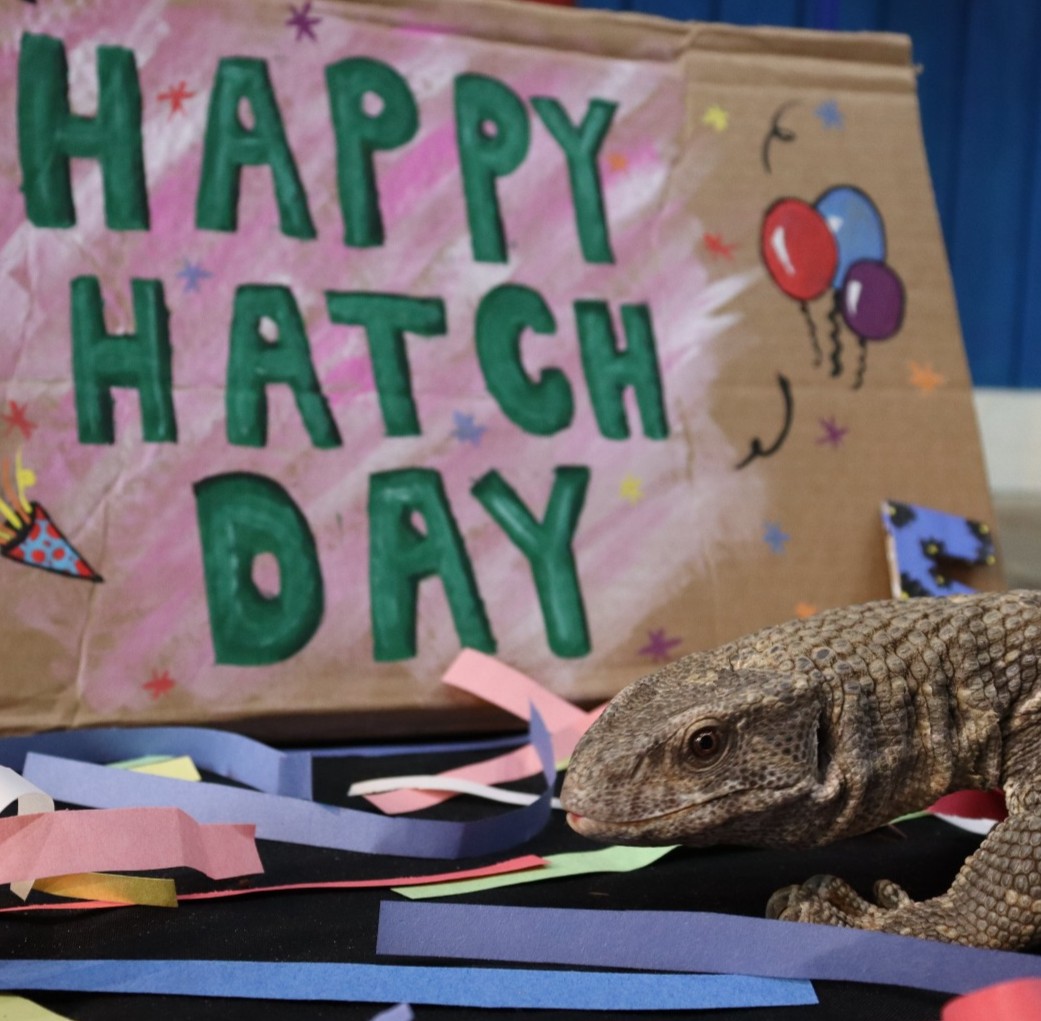
- Highlight of May birthdays for Savannah monitor, Peewee, Atlantic harbor seals Feisty and Rasal, and striped skunk, Sammy.
- Exploration of species-specific characteristics and natural habitats.
- Importance of zoo management in species longevity and health.
- Conservation efforts and strategies for wild and zoo animals.
- Educational insights into the role of zoos in environmental stewardship.
May was celebrated with much joy as several remarkable animal birthdays were marked. Each of these birthdays represents a milestone, not only for the animals themselves but also for the efforts of the zoo community in nurturing these species. From the young Savannah monitor to the venerable Atlantic harbor seals, the diversity in age and species highlights the varied needs and challenges faced by zoos. Let’s explore each of these animals and consider the broader implications for zoology and wildlife conservation.
Savannah Monitor, Peewee
The Savannah monitor, Peewee, celebrated his 5th birthday. Native to sub-Saharan Africa, the Savannah monitor (Varanus exanthematicus) is well-adapted to arid environments. Characterized by their robust bodies, these lizards can grow up to four feet in length. They are carnivorous, feeding primarily on insects and small mammals. This makes them an essential part of the ecosystem, controlling pest populations.
Peewee’s successful growth is a testament to proper zoo management. Providing the right diet, habitat conditions, and enrichment activities are critical. Savannah monitors require a warm, dry habitat with plenty of space to roam and explore. The temperature in their enclosures needs to be carefully regulated, with a basking area to aid in their metabolic processes. Their care is complex, requiring an understanding of their biology and natural behavior.
Moreover, Peewee’s presence in the zoo also plays an educational role. Visitors learn about the importance of reptile conservation and the factors threatening their natural habitats, such as deforestation and climate change. Educating the public is a crucial aspect of conservation, as awareness can lead to increased efforts to protect these remarkable creatures.
Atlantic Harbor Seal, Feisty
Turning 35 this May, Feisty the Atlantic harbor seal exemplifies longevity in captivity. Harbor seals (Phoca vitulina) are native to the coastal waters of the North Atlantic and Pacific Oceans. They are known for their adaptability to marine environments, with a diet consisting primarily of fish and invertebrates. Their streamlined bodies and flippers allow them to swim efficiently, making them skilled hunters.
Feisty’s advanced age is a testament to the care provided by the zoo staff. Harbor seals live to around 25-30 years in the wild, but in captivity, they can live even longer due to the absence of predators and access to medical care. This longevity requires continuous attention to diet, veterinary care, and mental stimulation. The zoo environment must mimic natural conditions to keep them healthy and engaged.
Conservation of harbor seals also hinges on understanding the threats they face, such as pollution, habitat destruction, and climate change. Zoos often collaborate with marine biologists and conservationists to develop strategies for protecting seal populations in the wild. By celebrating Feisty’s birthday, the zoo reinforces its commitment to the welfare of marine life.
Striped Skunk, Sammy
Sammy the striped skunk turned 8, a significant age for this species. Striped skunks (Mephitis mephitis) are found across North America and are known for their distinct black and white coloring and characteristic scent glands. These glands are a defense mechanism that releases a pungent spray when threatened. Skunks are omnivorous, with diets that include plants, insects, and small animals.
In zoos, managing a skunk’s environment is essential for both their wellbeing and public safety. Proper enclosure design prevents escape and reduces stress, while careful handling and regular health checks ensure a long life. By showcasing these animals, zoos educate visitors about the ecological role of skunks in controlling insect and small mammal populations.
Additionally, skunks serve as an example of the challenges in wildlife management and the balance between human habitation and wildlife conservation. Habitat encroachment and persecution by humans pose significant threats. Zoos engage in efforts to change public perception and promote coexistence with local wildlife.
Atlantic Harbor Seal, Rasal
Celebrating 40 years, Rasal stands as an inspiring example of longevity for an Atlantic harbor seal. Outliving the typical lifespan of seals in the wild, Rasal’s journey underscores the importance of dedicated animal care and the benefits of a protected environment. Rasal’s long life has offered countless learning opportunities for marine biology and zoo teams.
The advanced age presents unique challenges in terms of health management, requiring tailored diets and specialized veterinary care to address age-related conditions. Enrichment programs that replicate natural behaviors help maintain cognitive function and prevent boredom.
Rasal’s enduring presence highlights the role of zoos in fostering appreciation for marine life. By witnessing Rasal’s life story, visitors can gain insights into seal biology and the efforts needed to conserve marine ecosystems. Zoos also work with conservation bodies to support initiatives like addressing ocean pollution that impacts seal habitats.
Zoo Management and Species Longevity
The longevity and health of animals like Peewee, Feisty, Sammy, and Rasal reflect the expertise and dedication of zoo management. Creating environments that replicate an animal’s natural habitat is fundamental to their wellbeing. Climate control, dietary management, and enrichment activities are some techniques used to promote natural behaviors and ensure mental stimulation.
Proper veterinary care is also vital, addressing both preventative care and treatment of illnesses. For aging animals, research into geriatric animal care is expanding, contributing to increased understanding and improved practices.
An essential component of zoo management is the collaboration with conservation organizations. These partnerships lead to successful breeding programs, research initiatives, and conservation strategies aimed at preserving endangered species in the wild. By sharing knowledge and resources, zoos contribute to global conservation efforts, aiming to secure a future for vulnerable wildlife.
Conservation Efforts and Environmental Stewardship
Zoos not only provide a refuge for endangered species but also act as vital centers for conservation education. By connecting the public to wildlife, zoos inspire action to protect habitats and advocate for environmental policies.
Conservation programs at zoos often include breeding schemes, habitat restoration projects, and public education campaigns. By studying animals in captivity, conservationists can gather data essential for protecting wild populations. This research informs efforts to mitigate threats like habitat loss, climate change, and human-wildlife conflict.
Educating visitors is a significant aspect of zoos’ conservation mission. Exhibits and interactive programs highlight the interconnectedness of ecosystems and the impact of human actions on biodiversity. The public’s increased awareness can drive shifts in behavior and policy, fostering a society that values and protects its natural heritage.
In celebrating these birthdays, we recognize not only the individual animals but also the broader mission to care for and preserve wildlife. Their stories serve as reminders of the intricate balances within ecosystems and the role that human stewardship must play in sustaining them. Through education, research, and dedication, zoos remain at the forefront of global conservation efforts, aiming for a future where wildlife coexists harmoniously with human communities.
*****
Source Description
May was filled with many happy birthdays!
🎉 Savannah monitor, Peewee, turned 5 years old
🎉 Atlantic harbor seal, Feisty, turned 35 years old
🎉 Striped skunk, Sammy, turned 8 years old
🎉 Atlantic harbor seal, Rasal, turned 40 years old
