
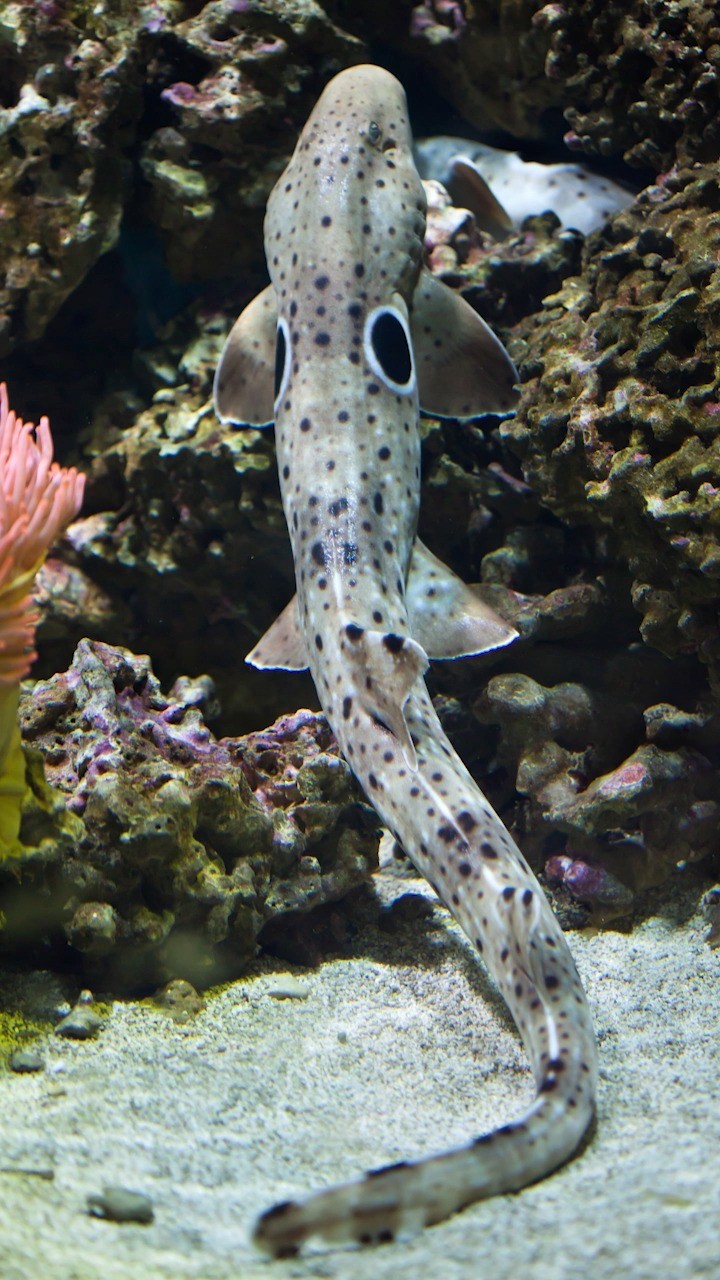
- Exploration of parthenogenesis as a form of asexual reproduction in the animal kingdom.
- Analysis of species capable of reproducing without a mate, including sharks and reptiles.
- Implications of parthenogenesis on genetic diversity and evolutionary adaptation.
- The impact of this reproductive strategy on conservation and zoo management.
- Insights into how parthenogenesis contributes to species survival in changing environments.
Parthenogenesis is a fascinating form of asexual reproduction allowing certain species to produce offspring without fertilization. This natural wonder occurs across various species, offering unique insights into survival mechanisms. While most animals rely on sexual reproduction for genetic diversity, parthenogenesis provides an alternative reproductive strategy essential for understanding evolutionary biology.
In various species, parthenogenesis serves as an evolutionary marvel. Some sharks have been observed reproducing without male interaction, a revelation that expands our understanding of these ocean giants. For instance, hammerhead and blacktip sharks have been documented using parthenogenesis, a groundbreaking discovery that highlights the adaptability of these predators.
Reptiles, too, join the list of creatures capable of this reproductive feat. Certain species of lizards and snakes have demonstrated the ability to produce viable offspring from unfertilized eggs. This capability challenges traditional notions of reproduction and raises questions about the role of parthenogenesis in maintaining populations where mates are scarce.
Parthenogenesis also carries significant implications for genetic variability and evolution. Typically, sexual reproduction introduces genetic differences by combining DNA from two parents, which is vital for adaptive potential. However, parthenogenesis results in offspring genetically identical to the mother, which might reduce diversity but can also stabilize advantageous traits across generations. This stability can be crucial in stable environments or when rapid adaptation is unnecessary.
In terms of conservation and zoo management, understanding parthenogenesis can be transformative. Species capable of asexual reproduction may require different management strategies. In captive settings, conservationists can utilize parthenogenesis to sustain population numbers without the need for multiple specimens. This could be particularly useful for endangered species where finding mates is challenging.
Moreover, the ability to reproduce independently could provide certain species a survival edge in fluctuating ecosystems. In environments facing human-induced changes, the capacity to self-reproduce might offer a buffer against population declines. This self-sufficiency reinforces the need for conservation programs to consider diverse reproductive strategies.
Parthenogenesis accentuates the resilience of species in dynamic ecosystems. By exploring these capabilities, researchers can better predict how certain species might respond to environmental pressures. This understanding informs conservation policies and improves strategies aimed at sustaining wildlife populations.
In summary, not all species need two to tango. Through parthenogenesis, they can navigate reproduction autonomously, offering profound insights into evolutionary biology and conservation. This reproductive versatility underscores the adaptability of life, highlighting the importance of diverse strategies in sustaining biodiversity.
*****
Source Description
🦈✨ Not all species need two to tango!
While most animals (including sharks!) need fertilization to reproduce, some can go solo. 🌿 Through parthenogenesis, a natural form of asexual reproduction, certain species can produce offspring all by themselves.
