
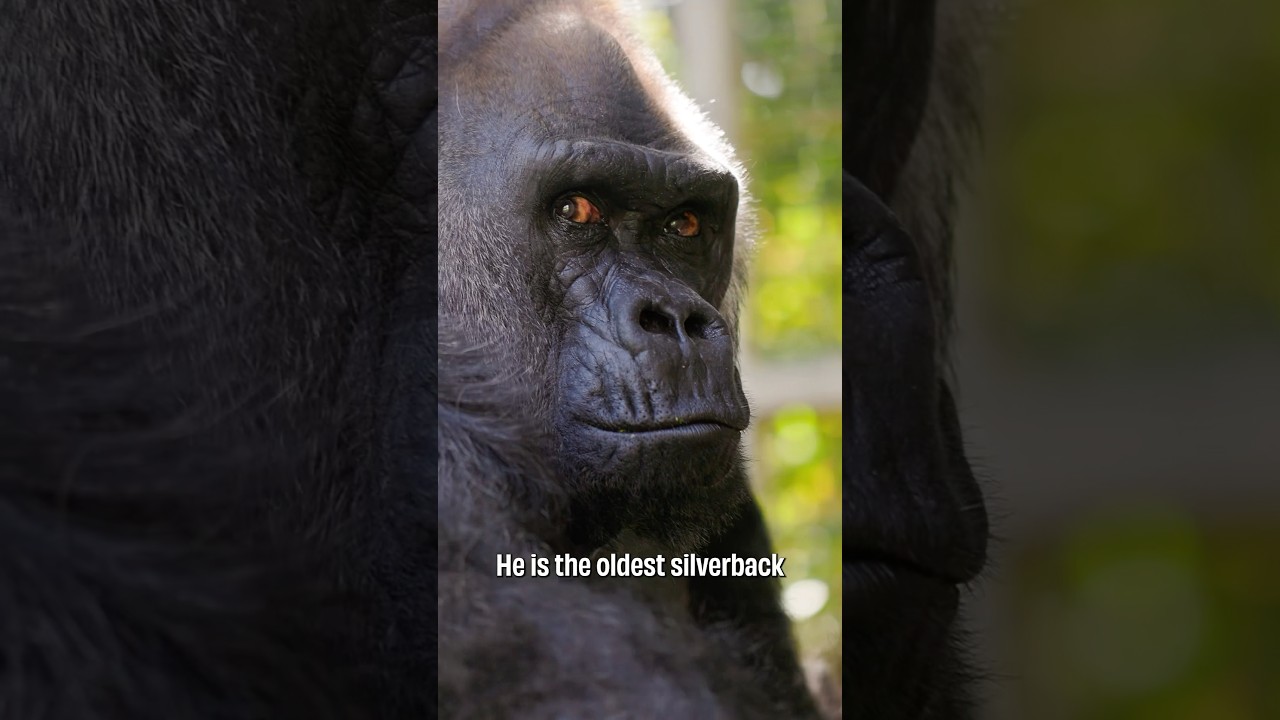
- Celebrating Ramses the Gorilla’s 55th Birthday: A Milestone in Zoo Longevity
- Zoological Insights: Understanding Gorilla Lifespans and Health Management
- The Role of Zoos in Conservation and Public Education
- Innovations in Gorilla Care and Habitat Enrichment
- The Impact of Gorillas on Biodiversity and Ecosystems
Ramses, a Western lowland gorilla, celebrates his 55th birthday this year, marking a significant milestone not only for him but also for the zoo that has been his home for decades. This event highlights the longevity and care practices achieved through advanced zoological management. At an age few gorillas reach, Ramses stands as a testament to effective animal husbandry and the role zoos play in wildlife conservation and public education.
Gorillas, particularly those like Ramses in captivity, can live significantly longer than their wild counterparts. In the wild, gorillas have an average lifespan of 35 to 40 years. Factors such as poaching, habitat destruction, and disease pose significant threats, shortening their lifespan. However, within the protective environments of modern zoos, gorillas often outlive their wild kin. Experts in zoology attribute this longevity to several key factors: access to veterinary care, regular health monitoring, proper nutrition, and social stability.
Veterinary advancements have played a crucial role in enhancing the quality of life for animals like Ramses. Regular health assessments are pivotal in detecting and treating ailments early. Vaccines and routine health check-ups are now standard practices in reputable zoos. Moreover, customized diets designed by nutritionists ensure that gorillas receive the necessary nutrients to thrive. As gorillas age, zoos often adapt their diets to include softer foods and supplements to support their changing health needs.
A robust enrichment program is vital to the psychological well-being of gorillas. Behavioral enrichment includes providing structures for climbing, puzzles for mental engagement, and varied sensory stimuli. These activities mimic the challenges they would face in the wild, promoting natural behaviors and preventing boredom. For Ramses, time spent engaging with his complex environment contributes to his mental and physical health, fostering a sense of agency and curiosity.
Zoos serve a dual purpose as centers for conservation and public education. They play a crucial role in protecting endangered species and raising awareness about conservation issues. By studying animals like Ramses, scientists gather valuable data that contributes to the conservation of gorillas in the wild. Breeding programs and collaborations with conservation organizations create a genetic reservoir that helps fortify wild populations.
Public education is another pillar of zoo missions. Visitors learn about the significance of gorillas, their role in forest ecosystems, and the threats they face. Educational programs and interactive exhibits encourage a deeper understanding and appreciation of these magnificent animals. By forging connections between visitors and animals, zoos inspire the next generation of conservationists and animal advocates.
In recent years, zoos have embraced technology to improve gorilla care. Automated monitoring systems track animals’ movements and health indicators, allowing keepers to make informed decisions promptly. Virtual reality experiences and digital storytelling have revolutionized visitor interactions, bringing the lives of gorillas closer to audiences worldwide.
Gorillas, including Ramses, are keystone species in their ecosystems. They help maintain the health of tropical forests by dispersing seeds through their feces. This facilitates plant regeneration and biodiversity. Their dietary preferences also shape plant community structures, promoting a balance that supports other wildlife. Understanding their ecological role underscores the importance of their conservation.
Ramses’s 55th birthday is more than a celebratory milestone. It encapsulates decades of dedicated care, scientific research, and commitment to wildlife preservation. His life story serves as an educational tool, illustrating the impact of modern zoos on animal welfare and conservation.
By celebrating Ramses, we acknowledge the achievements in zoological management and reaffirm our commitment to conserving gorillas and other endangered species. His legacy will undoubtedly inspire ongoing efforts to protect our planet’s biodiversity and emphasize the crucial role of animals in our world’s ecological tapestry.
*****
Source Description
At 55, Ramses remains the oldest silverback gorilla in the world, continuing to exceed the typical life expectancy for his species. His longevity is a true testament to the expertise and dedicated care he receives from our primate team and veterinary staff.
As he’s grown older, his care has evolved along with him. He now lives comfortably in a specialized behind-the-scenes habitat, where his needs are thoughtfully met each day. His diet is carefully tailored, he enjoys personalized enrichment and he participates in one-on-one physical therapy and stretching sessions to help keep him strong and active.
Ramses arrived at the Zoo at 21 years old and has spent more than three decades leaving a lasting impression on the keepers who care for him and the guests who have visited him over the years.
From “good morning” to “good night,” our staff is there to ensure he’s thriving every step of the way. Join us in wishing Ramses a very happy 55th birthday! 💚
