
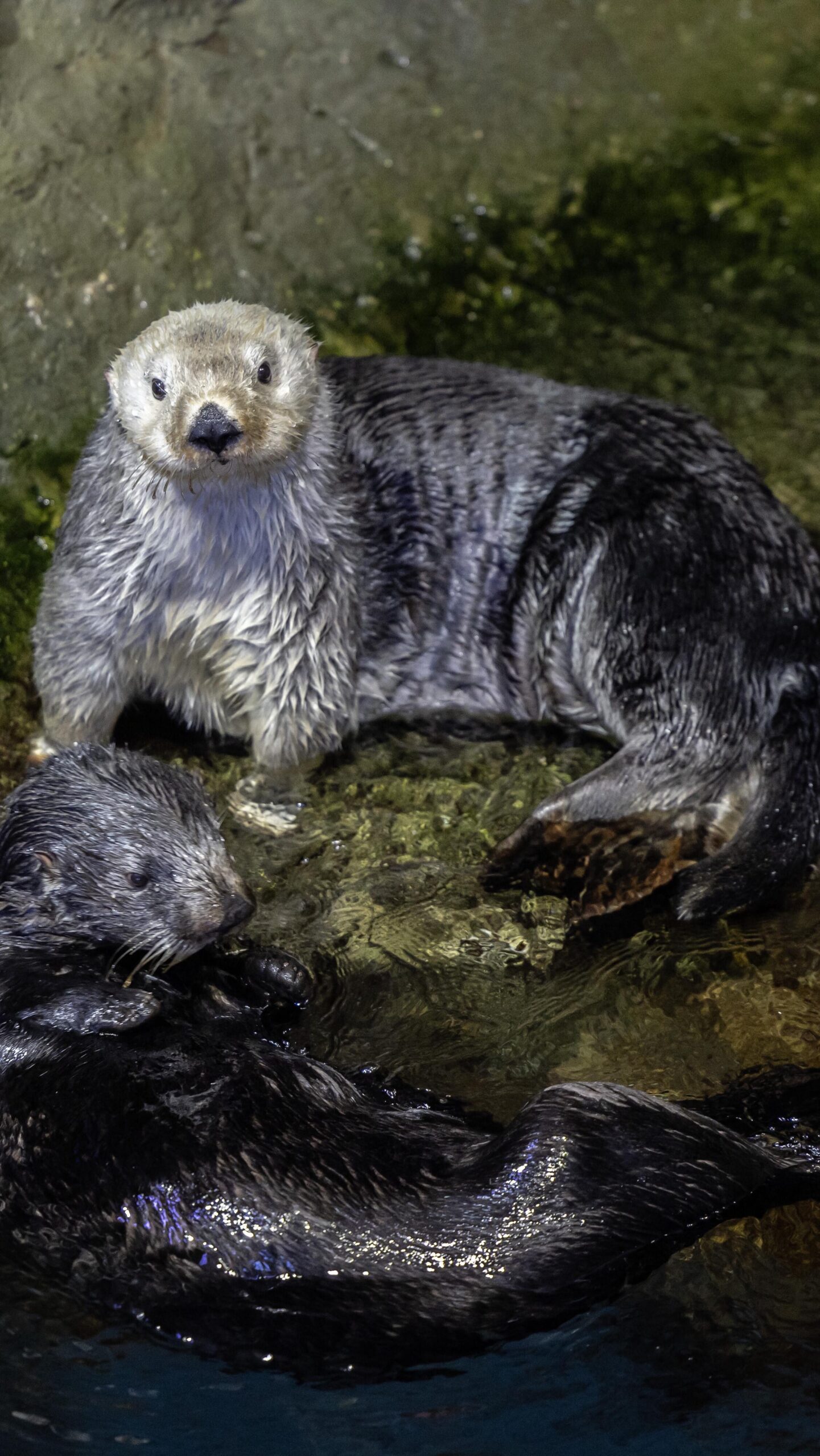
- The ecological role of sea otters in marine ecosystems
- The conservation status of southern sea otters and relevant legislation
- The impact of sea otters on kelp forests and associated species
- Ways to advocate for sea otter protection
- The cultural and emotional connection humans have with sea otters
Sea otters play a crucial ecological role in marine ecosystems, particularly in kelp forest habitats. These small marine mammals are integral to maintaining the balance of underwater environments. Their primary diet consists of sea urchins, crabs, and various shellfish. By controlling the population of these species, sea otters prevent overgrazing of kelp forests. Kelp forests are vital not just for their beauty, but they also provide habitat and shelter for numerous marine species. The connection between sea otters and the health of kelp forests exemplifies the intricate relationships that exist within marine ecosystems.
The southern sea otter is listed as a threatened species under the Endangered Species Act (ESA). Their populations have faced numerous threats, including oil spills, habitat loss, and entanglement in fishing gear. These challenges have resulted in uncertain futures for these animals. Conservation efforts over the past few decades have led to some recovery in their numbers, yet significant concerns still persist regarding the long-term viability of southern sea otters. The ESA plays a critical role in providing legal protection, but active advocacy is needed to ensure that these protections remain strong and effective.
Kelp forests are extraordinary ecosystems. They are among the most productive marine environments, providing not only food but also critical shelter for a diverse range of marine species. Sea otters contribute significantly to the health of these ecosystems. When their populations thrive, they help maintain the balance by keeping sea urchin populations in check. Without this natural predator-prey relationship, unchecked sea urchin grazing can lead to a phenomenon known as “urchin barrens,” where kelp forests are depleted, resulting in a loss of biodiversity and habitat. Consequently, the relationship between sea otters and kelp forests highlights the interconnectedness of marine life and the importance of preserving such species for ecological health.
Advocating for the protection of sea otters is essential. Individuals can take action in various ways, such as contacting lawmakers to emphasize the importance of robust protections under the ESA. Writing letters to representatives can influence decision-makers and raise public awareness around sea otters and the challenges they face. Additionally, supporting conservation organizations that focus on marine ecosystems and sea otter research can further aid efforts to protect these vital species. Public engagement, awareness, and advocacy work collectively to create a more supportive environment for sea otters and their habitats.
Beyond the ecological significance of sea otters lies a rich cultural connection between these animals and humans. Sea otters have captured the hearts of many, becoming symbols of marine conservation efforts. Their playful nature and adorable appearance often evoke affection and empathy. In various cultures, they represent resilience and conservation. Educational programs and media often highlight their significance, further fostering a sense of responsibility to protect their habitats. This emotional bond often drives advocacy efforts, highlighting the importance of human connection to wildlife conservation.
The need for ongoing education regarding sea otters and their habitats cannot be overstated. Schools, zoos, and aquariums play critical roles in spreading awareness about these remarkable marine mammals. By educating the public about their ecological importance, conservation status, and the direct impact of human actions, more individuals will likely become motivated to participate in advocacy efforts. Understanding how everyday choices can affect marine ecosystems is essential in nurturing responsible stewardship.
Sea otters not only contribute significantly to marine ecosystems but also embody broader issues in wildlife conservation. Protecting them is intertwined with addressing challenges such as climate change, ocean pollution, and sustainable fisheries management. Each of these issues has cascading effects on marine life and habitats. Incorporating marine conservation goals into broader environmental policies will be a crucial step in preserving both sea otters and the rich biodiversity they support.
Emerging research continues to shed light on the importance of sea otters within ecosystems. Studies have shown that their presence enhances biodiversity and overall habitat complexity. For example, by reducing sea urchin populations, kelp forests flourish, which in turn supports numerous fish and invertebrate species. This biodiversity creates a more resilient marine ecosystem, essential for adapting to environmental changes and stresses.
In terms of legislative advocacy, individuals can utilize various platforms to voice support for sea otter conservation. Social media campaigns, petitions, and public engagement events can raise awareness about the precarious status of southern sea otters. These immediate actions can have lasting impacts on public discourse and policy decisions.
Physical interactions with sea otters in controlled environments, such as rescue centers and aquariums, can deepen appreciation and respect for these creatures. Educators and caretakers can emphasize the importance of rehabilitation efforts, demonstrating how individual actions can lead to significant conservation outcomes. Helping the public recognize their role in protecting sea otters establishes a powerful connection that can lead to better stewardship of marine resources.
Ultimately, the survival of southern sea otters depends on collective efforts—be it through advocacy, education, or responsible action. By fostering awareness about their ecological roles, supporting protections under the ESA, and engaging in public discourse, we can create an environment in which sea otters can flourish. The relationship between humans and sea otters goes beyond emotional connections; it embodies the shared responsibility for safeguarding our planet’s fragile ecosystems. Active participation in the conservation of these species is vital. Sea otters inspire efforts not only to protect them but also the vast and diverse marine environments they inhabit.
*****
Source Description
This we’re celebrating sea otters and the incredible impact that they make in their ocean habitats — and our hearts!🦦🌊
While southern sea otters are protected under the Endangered Species Act (ESA), the future of this protection is uncertain. It’s up to us to advocate for sea otters and make our voices heard.
Show your love for sea otters and to make a difference! 🔗 Send a letter to your lawmakers urging them to support the ESA at the link in bio.
