
- Natural Habitat and Distribution
- Physical Characteristics and Behavior
- Social Structure and Communication
- Diet and Feeding Habits
- Conservation Status and Efforts
The Common Squirrel Monkey (Saimiri sciureus) is a captivating primate species indigenous to South America. These monkeys primarily inhabit tropical rainforests and can be found from the Amazon Basin to the eastern parts of Peru, Colombia, Brazil, and northern Bolivia. Their preference for dense canopies reveals their adaptation for arboreal living. They rely on these treetop environments for food, shelter, and safety from predators.
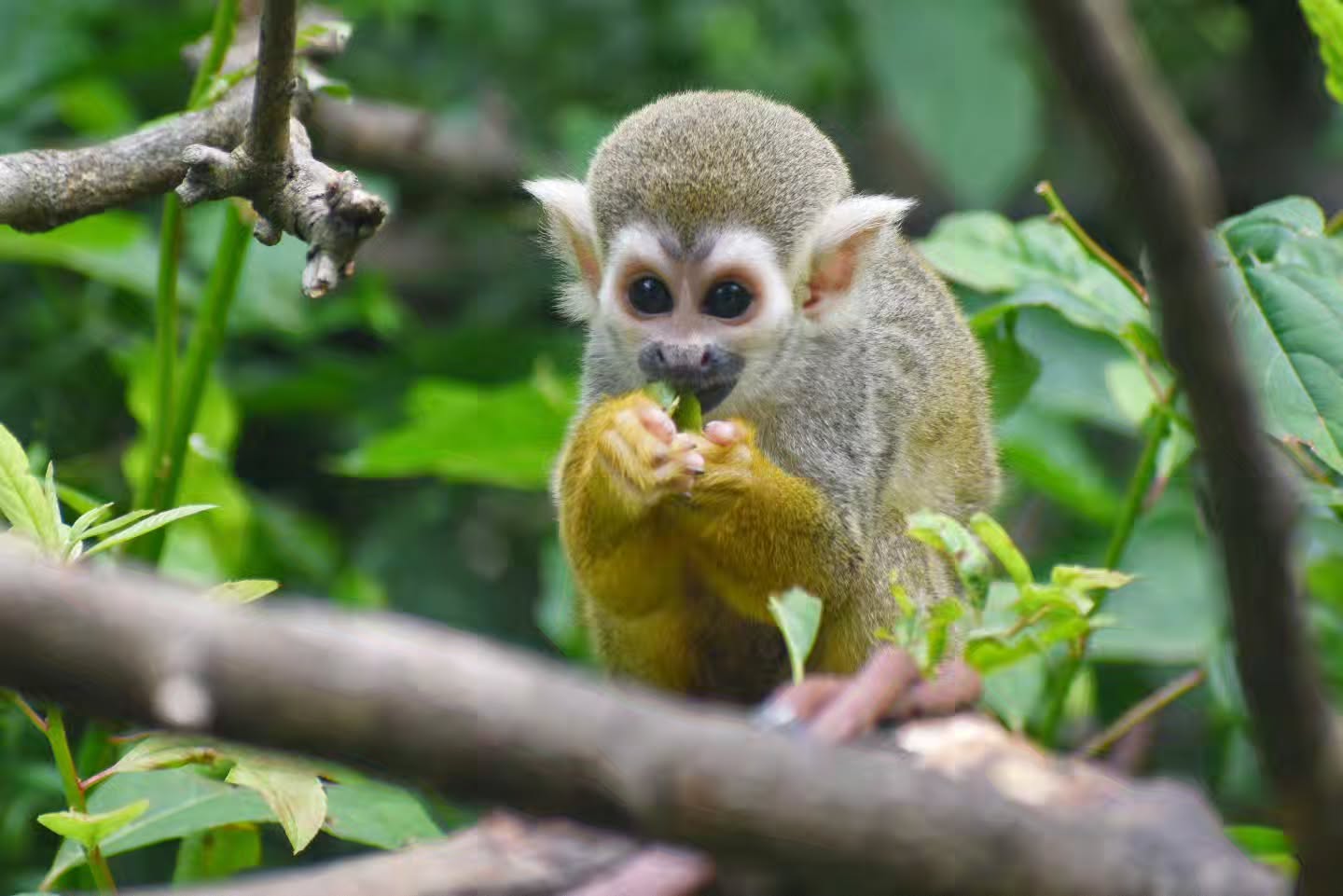
The physical attributes of the Common Squirrel Monkey place it among the more striking primates. Adults typically weigh between 1 to 2.2 kilograms (2.2 to 4.8 pounds) and measure around 24 to 31 centimeters (9.4 to 12.2 inches) in body length, excluding their tails. Their tails are prehensile, often exceeding their body length and aiding in mobility throughout their forest habitats. The facial patterning consists of a pale, light-colored face contrasted against a darker body, providing them with their distinct appearance. Their large, expressive eyes are adaptive traits for binocular vision, crucial for judging distances between branches while leaping.
Behaviorally, the Common Squirrel Monkey is characterized by its high activity levels. They are diurnal, meaning they are most active during the day. Their social structure is complex, as they live in large groups often consisting of 20 to 75 individuals, which shows a remarkable level of social dynamics. These monkeys exhibit a variety of vocalizations and body language, crucial for maintaining group cohesion and communicating threats or food sources. These interactions facilitate the development of social bonds, critical in a species that experiences significant intra-group and inter-group interactions.
When evaluating their diet, the Common Squirrel Monkey primarily consumes fruits, nuts, and seeds. Their diet is supplemented with insects and small vertebrates, which provides essential protein. The presence of these monkeys in the forest canopy influences the distribution of plants, as they aid in seed dispersal through their feeding habits. The importance of their diet in maintaining ecological balance highlights their role within their habitat.
Sadly, the Common Squirrel Monkey faces threats that jeopardize its continued existence. Habitat destruction due to agriculture, deforestation, and urban development poses significant risks. The illegal pet trade further exacerbates population declines. International conservation efforts are underway to protect their individuals and habitats. Protected areas help mitigate the impact of habitat loss, and education initiatives focus on reducing human-wildlife conflict.
The Common Squirrel Monkey is a fascinating subject for study, blending aspects of natural history, social behavior, and conservation challenges. Their behavioral complexities and ecological importance make them essential players in their ecosystems. Understanding their needs and threats will enhance conservation efforts, ensuring future generations can appreciate this remarkable species. Through educational programs and responsible wildlife management, there lies an opportunity to contribute positively to their survival.
*****
Source Description
Common Squirrel Monkey (Saimiri sciureus) 📷 @ the @bronxzoo
