
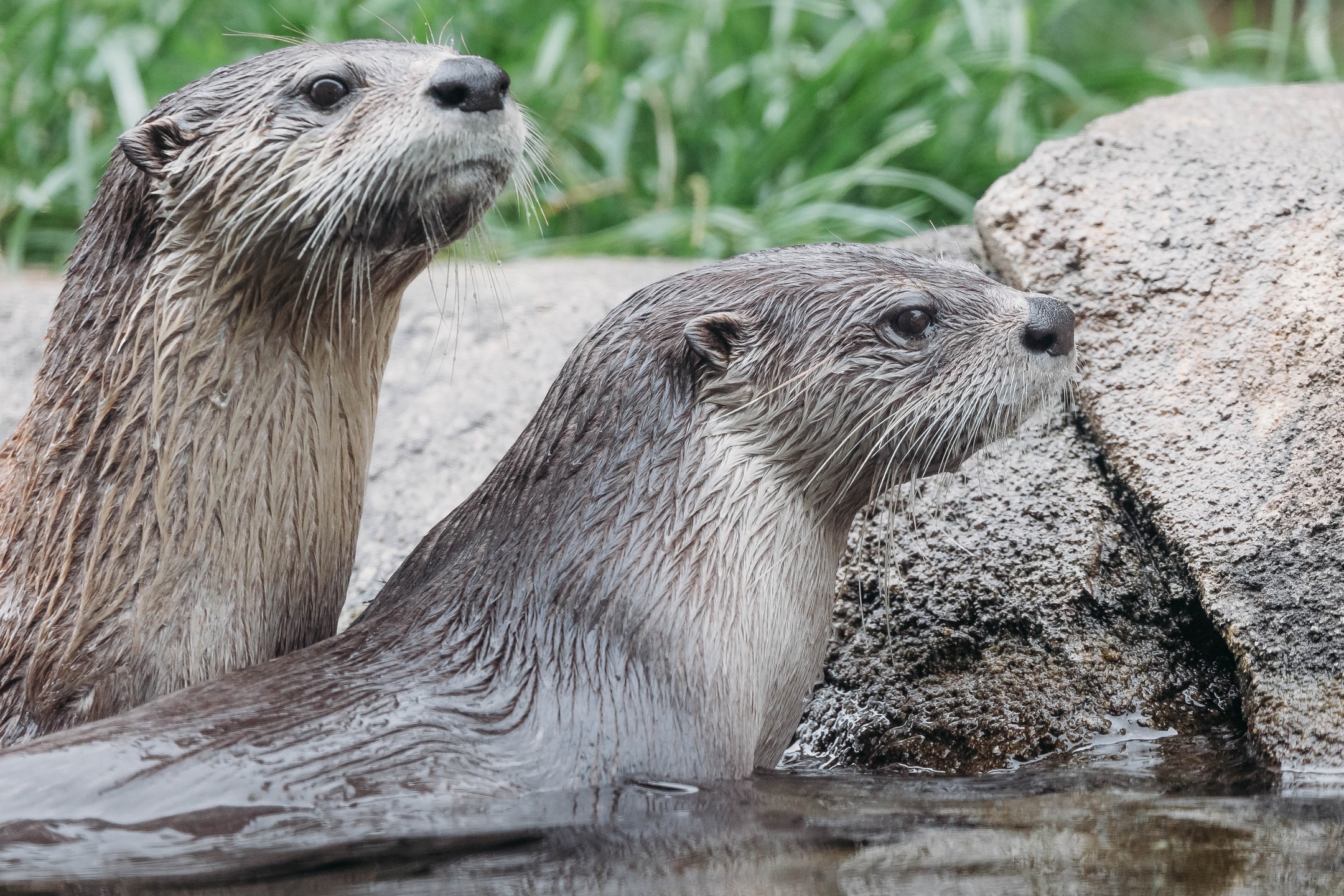
- Physiological Adaptations of the North American River Otter
- Importance of Otters as a Keystone Species
- Conservation and Environmental Impact
- Educational Opportunities and Zoo Management
- Visitation and Community Engagement with Otters
The North American River Otter is a fascinating creature whose physical adaptations highlight its adeptness at thriving in aquatic environments. Equipped with webbed feet, these otters excel in swimming, using their limbs for effective propulsion through water. Their tail, built like a powerful rudder, aids in agile maneuvers and speed. Known for their ability to dive for up to eight minutes, river otters have nictitating membranes, often compared to built-in goggles, that shield their eyes while they hunt and explore underwater.
On land, they can reach speeds of up to 29 miles per hour, showcasing their versatility and agility. The otter’s thick, waterproof coat is another crucial adaptation, providing both warmth and buoyancy. Each aspect of their physiology is designed for efficiency and survival, making them remarkable examples of evolutionary design.
River otters play a significant role in their ecosystems, making them a cornerstone of their natural habitats. As a keystone species, their presence indicates a healthy, balanced ecosystem. They help regulate fish populations, ensuring a diverse aquatic life which in turn supports birds and other wildlife. Otters also contribute to nutrient cycling within their environments.
The decline or removal of otters can lead to overpopulation of certain fish species, negatively impacting water quality. This illustrates their crucial role in maintaining ecological balance. Protecting their habitat not only benefits otters but also promotes the overall well-being of waterways. Clean rivers and streams maintain biodiversity, and support both terrestrial and aquatic life.
Conservation efforts for the North American River Otter are paramount. Historically, hunting and habitat destruction significantly diminished their populations. Today, conservationists focus on protecting natural habitats and minimizing pollution. Waterway restoration and anti-pollution measures are critical for their survival. Public awareness campaigns educate communities about the importance of these efforts.
Organizations utilize sophisticated tracking and monitoring techniques to study otter populations and understand their ecological impact. Conservation programs seek to reintroduce otters to areas where they have disappeared due to human activities. Collaboration between wildlife agencies and local communities fosters protective measures, ensuring habitats remain undisturbed and clean.
Educational programs at zoos like the Otter Run facilitate engagement and learning. Exhibits featuring otters, such as Savannah and Sophia Grace, provide an opportunity for visitors to observe these animals up close. Zoos play an active role in conservation education, offering programs that emphasize the significance of protecting natural habitats.
These interactions create a connection between visitors and wildlife, fostering a greater appreciation for biodiversity. Zoo staff, including zoologists and conservationists, are instrumental in providing expert insights and answering questions, further enhancing the educational experience. Programs may include interactive demonstrations or informative talks that delve deeper into the otter’s role in the ecosystem.
Visiting exhibitions like Otter Run not only educates but also engages communities in conservation efforts. It serves as a reminder of the beauty and complexity of nature, encouraging active participation in wildlife preservation. Local and visiting audiences gain a newfound respect for maintaining clean rivers and ecosystems.
By promoting responsible behaviors and supporting wildlife-friendly policies, individuals contribute to the protection of otters and their habitats. Community events and educational initiatives can lead to more robust conservation programs and healthier ecosystems. Through direct engagement with animals like the North American River Otter, zoos nurture a community of informed and conscientious environmental stewards.
The North American River Otter exemplifies the interconnectedness of species within an ecosystem. Their presence echoes the health and vitality of waterways, urging us to prioritize conservation and stewardship. With continued efforts to protect their habitats, and through education and community involvement, we ensure that these captivating creatures continue to thrive, symbolizing the vibrant life of our natural world.
*****
Source Description
Happy 🦦
Today we’re celebrating the incredible North American River Otter! With webbed feet, a strong propeller-like tail, and a thick waterproof coat, they can dive up to 8 minutes and run up to 29 mph on land. Their built-in underwater goggles (nictitating membranes) help them hunt and explore with ease. 🥽
Otters are considered a keystone species and are often times a sign of healthy waterways, so let’s protect their homes and keep our rivers clean and thriving! 🌊
Come visit our resident otters Savannah and Sophia Grace year-round at Otter Run, in the main plaza in between Guest Relations and Grizzly Ridge!
