
- The significance of sea turtle rehabilitation and its impact on ocean ecosystems.
- Understanding red tide toxin exposure and its effects on marine life.
- The process and importance of wildlife conservation efforts, specifically for sea turtles.
- Mote Marine Laboratory’s role in marine animal rescue and rehabilitation.
- Public involvement in conservation and how individuals can contribute.
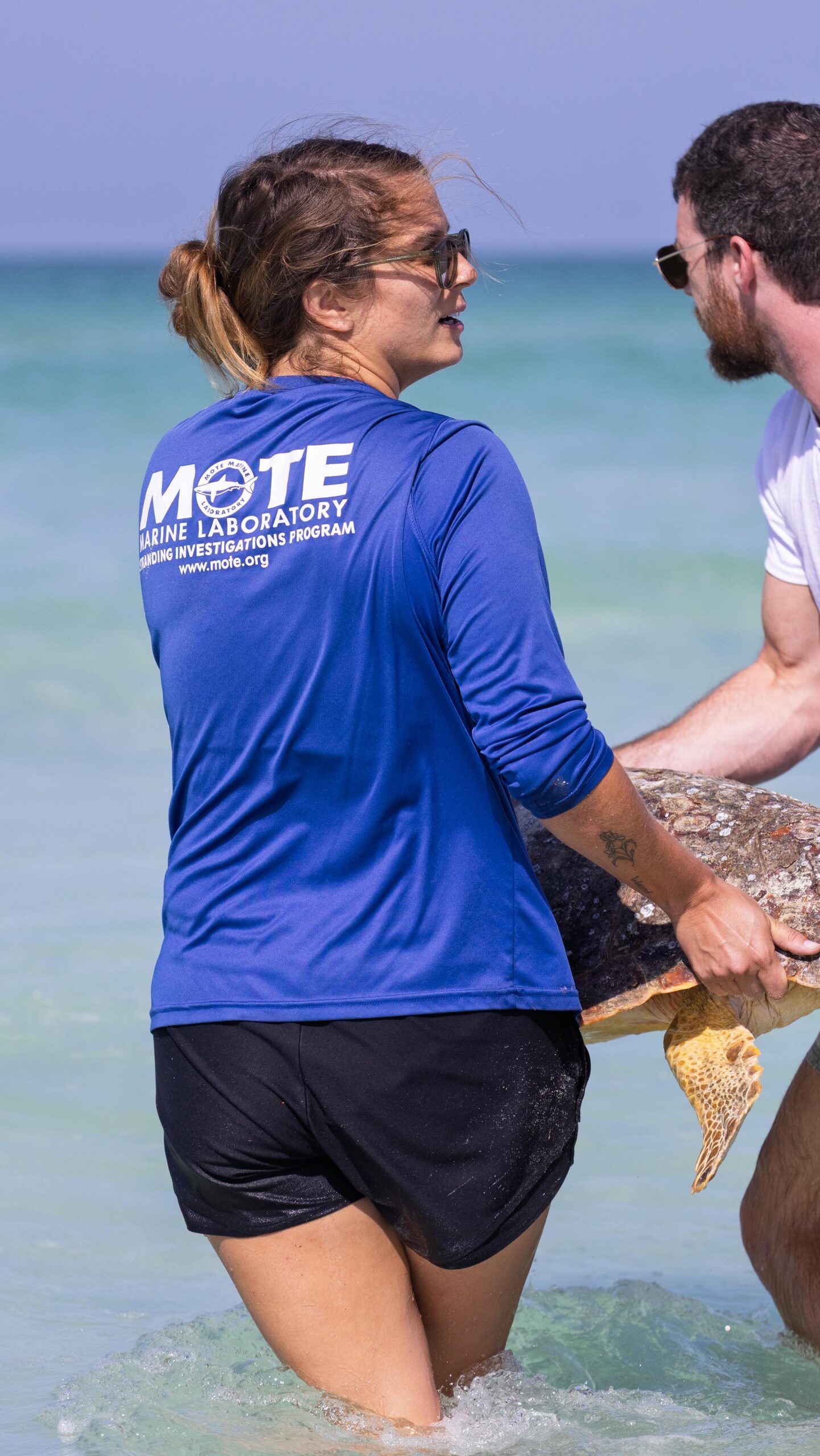
Sea turtle rehabilitation plays a crucial role in maintaining healthy ocean ecosystems. Initiatives like those undertaken by Mote Marine Laboratory highlight this significance. Earlier this year, Grimm and Monique, two sub-adult loggerhead sea turtles, were released into the waters off Lido Beach after being rehabilitated at Mote’s Sea Turtle Rehabilitation Hospital. Their return to the sea underscores the importance of marine animal rehabilitation programs in addressing ecological threats.
Red tide toxin exposure is a critical issue for marine life. Both turtles admitted to Mote showed symptoms indicative of such exposure, a problem plaguing numerous marine species. Red tide, caused by algal blooms, results in toxins that can be harmful to sea life. These toxins can cause neurological damage and respiratory distress in creatures like sea turtles. Rehabilitation centers work tirelessly to provide medical treatment and care for affected animals, allowing them the chance to recover and be released back into their natural habitats.
Wildlife conservation efforts are paramount in protecting endangered species like the loggerhead sea turtle. Loggerheads face numerous threats, including habitat loss, climate change, and human activities. Rehabilitation centers contribute to conservation by treating and releasing injured animals, which supports the recovery of their populations. This not only aids individual animals but also helps maintain the balance and diversity of marine ecosystems.
Mote Marine Laboratory is a leader in marine animal rescue and rehabilitation. Their efforts are backed by permits from the Florida Fish and Wildlife Conservation Commission, ensuring that they operate within guidelines to protect marine turtles. The laboratory not only rehabilitates turtles but also engages in research and educational outreach to promote awareness of marine conservation. Their Stranding Investigations Program, available 24/7, allows the public to report stranded or dead marine animals, facilitating prompt rescue and investigation efforts.
Public involvement in conservation is vital. Individuals can contribute by staying informed about marine conservation issues and participating in local initiatives. Reporting stranded animals, avoiding polluted waters, and supporting rehabilitation centers are ways people can make impactful contributions. Increased awareness and participation can lead to stronger conservation efforts, ultimately benefiting not just the turtles but entire ocean ecosystems.
In summary, the rehabilitation of sea turtles like Grimm and Monique is a testament to the effective conservation work being done to protect marine life. The efforts of Mote Marine Laboratory and similar organizations underscore the importance of addressing red tide and rehabilitating affected wildlife to promote ecological health. Public engagement plays a critical role in these endeavors, fostering a collaborative approach to environmental stewardship.
*****
Source Description
Good things come in pairs 🩵✨🥹
Earlier this spring, Grimm and Monique, two sub-adult loggerhead sea turtles, were released off Lido Beach after completing rehabilitation at Mote’s Sea Turtle Rehabilitation Hospital.
Grimm was returned to the water with help from Mote staff, while Monique made her way into the surf on her own.
Both turtles were admitted with symptoms consistent with red tide toxin exposure. After receiving medical treatment and ongoing care, they were cleared for release.
Releases like this highlight the importance of marine animal rehabilitation and the role it plays in supporting healthy ocean ecosystems. 🫶
Within Sarasota or Manatee County waters, if you see a stranded or dead sea turtle or marine mammal please call Mote’s Stranding Investigations Program, a 24-hour response service, at 888-345-2335.
Mote’s sea turtle activities are conducted under Florida Fish and Wildlife Conservation Commission Marine Turtle Permits 155, 216, 027, 054, 070, 048, 126, and 028.
