
- The critical role of veterinary technicians in wildlife care
- Daily responsibilities of vet techs at the National Aviary
- The importance of preventive care in avian health
- Challenges faced by veterinary technicians in wildlife rehabilitation
- Recognition and appreciation during Veterinary Technician Week
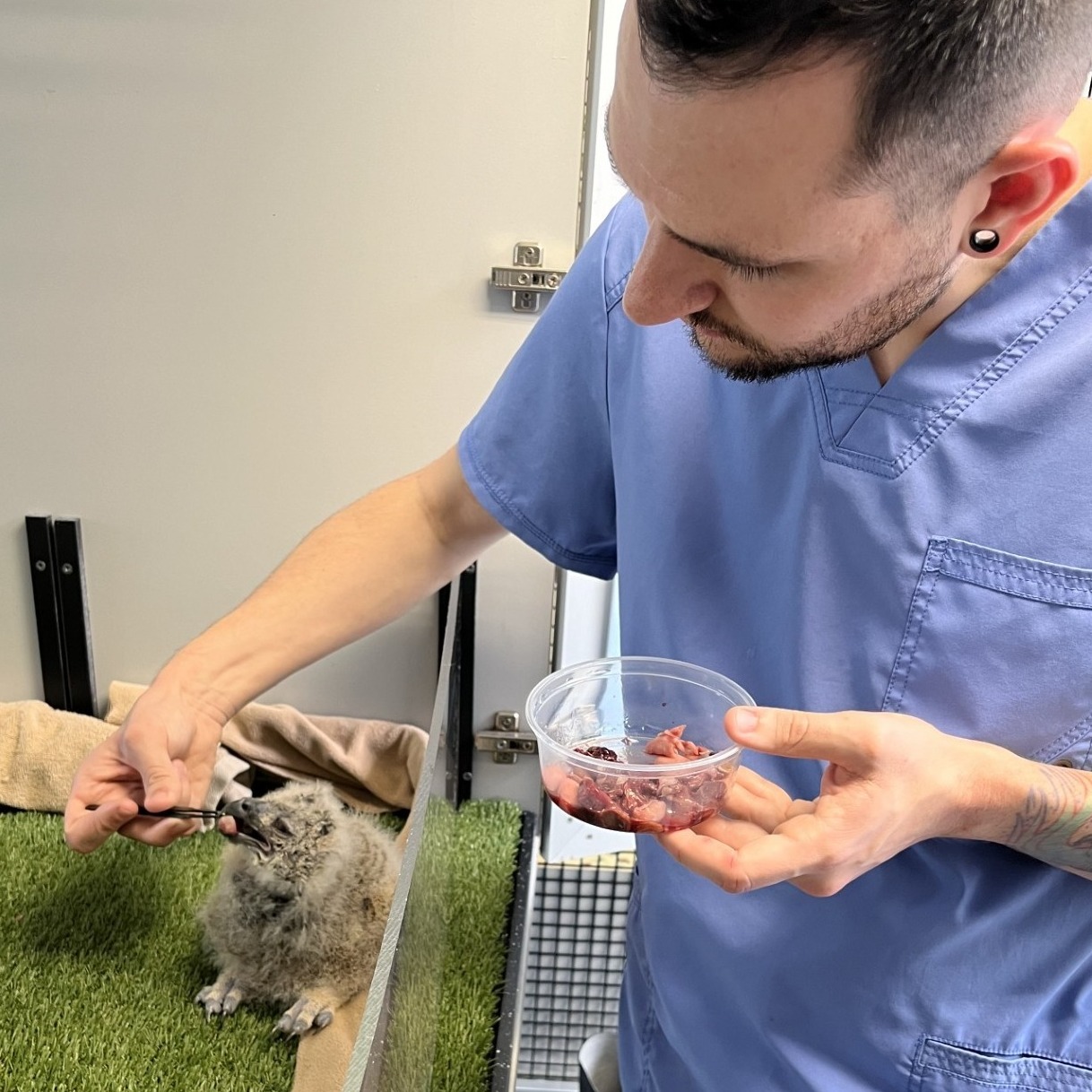
Veterinary technicians are the backbone of any modern animal care facility. At the National Aviary, this is no exception as they significantly contribute to the well-being of over 500 diverse animal residents. From colorful finches to majestic raptors, the expertise, compassion, and dedication displayed by our veterinary technicians are essential for providing high-quality care. Their commitment not only reflects their professional training but also their deep understanding of animal behavior, health needs, and the unique requirements of avian species.
Specific duties vary greatly, but the contributions of veterinary technicians at the National Aviary go far beyond simple animal care. They perform vital tasks that include conducting preventive health exams, assisting in surgeries, managing ongoing patient care, handling laboratory work, and educating the public about wildlife conservation. Each day presents new challenges requiring quick thinking, adaptability, and a solid background in zoology—attributes our vet techs possess in abundance.
Preventive care is another crucial aspect of avian health that veterinary technicians excel in. Like humans, birds need regular health assessments to identify potential health issues before they become serious problems. These exams often include weight checks, blood work, and diagnostic imaging. Such preventive approaches help in early detection of conditions like avian influenza or other infectious diseases, allowing for timely treatment. This proactive care is vital for the animals residing at the National Aviary, as it ensures they live longer, healthier lives in a safe environment.
Veterinary technicians also play a critical educational role in wildlife conservation efforts. By educating the public, they aim to raise awareness about various threats to avian species, such as habitat loss, climate change, and illegal poaching. This type of outreach can help foster a greater appreciation for wildlife and encourage community involvement in conservation initiatives. Their efforts can also inspire future generations of veterinary professionals and wildlife advocates.
In addition to education and preventive care, the daily responsibilities of veterinary technicians at the National Aviary are diverse and demanding. They administer medications, monitor anesthesia during procedures, and maintain meticulous records of each animal’s health history. These responsibilities require a comprehensive understanding of pharmacology, surgical protocols, and animal physiology. The high standards for animal welfare set by the National Aviary mean that every technician must be skilled in various tasks while consistently delivering care with empathy and precision.
Over the years, veterinary technicians have faced numerous challenges in wildlife rehabilitation. Issues such as limited veterinary resources, injuries from human interactions, and the effects of environmental degradation can complicate their work. Additionally, many avian species have specific dietary and environmental needs that complicate rehabilitation efforts. Even minor oversights can have significant consequences. Continuous education and training are vital to overcoming such hurdles, and the dedicated team at the National Aviary actively pursues professional development opportunities.
Recognizing the hard work and spirit of veterinary technicians is crucial, especially during Veterinary Technician Week. This annual observance gives facilities like the National Aviary a chance to showcase the tireless efforts of their veterinary staff. Veterinary technicians often work behind the scenes, and this week serves as an opportunity to highlight their contributions. Celebrating this milestone encourages teamwork and improves morale, fostering a culture of respect and appreciation in animal care institutions.
The role of veterinary technicians is not only vital for the animals at the National Aviary but also essential in the broader context of wildlife conservation. Collaboration among veterinary staff, zookeepers, and researchers creates a more informed approach to animal care and environmental stewardship. Together, they contribute to the overall mission of the Aviary—educating the public and promoting the importance of protecting avian species.
The training required to become a veterinary technician involves a mix of academic coursework and hands-on experience. Many veterinary technicians pursue an associate or bachelor’s degree in veterinary technology, which includes subjects such as anatomy, physiology, animal nursing, and surgical procedures. This scientific foundation equips them with the knowledge needed to handle the complexities of avian care effectively. Additionally, laboratory experience and internships provide practical skills that are vital for their future careers.
For those specifically interested in working with birds, specialized training in avian medicine is often recommended. Courses on avian anatomy, health assessment, and common diseases can provide aspiring vet techs with insights applicable to their future work. Furthermore, certifications specific to avian health can enhance a technician’s qualifications, making them even more valuable in a specialized setting like the National Aviary.
Veterinary technicians must also keep abreast of new findings and trends in wildlife health. Ongoing research in zoology, animal behavior, and conservation science informs best practices in animal care. Techniques for rehabilitation, surgical interventions, and even medical diagnostics continue to evolve, requiring dedicated professionals to stay current. Continuous learning not only improves patient care but also enhances the entire institution’s overall effectiveness in supporting animal residents and conservation efforts.
Promoting the well-being of animals entails numerous challenges, and the expertise provided by veterinary technicians is vital in addressing these obstacles. They act as liaisons between veterinary care, public education, and conservation initiatives. Their skill set is integral to the daily operations at the National Aviary and reinforces the message that animal welfare is paramount in any conservation effort.
In recognition of their tremendous contributions, the veterinary team deserves our heartfelt appreciation. Their hard work often goes unnoticed, yet their commitment plays a crucial role in shaping the future of wildlife care and conservation. Each interaction with the animals is a testament to their dedication, educating the public about the importance of avian species and the challenges they face in the wild.
This week celebrates the spirit of Veterinary Technician Week, reminding everyone of the vital work performed by veterinary technicians within their communities. As we reflect on the accomplishments of the staff at the National Aviary, we reaffirm our commitment to supporting these professionals. Their outstanding efforts help not only individual birds but also contribute significantly to broader conservation initiatives.
In the end, Veterinary Technician Week serves as a catalyst for recognizing and appreciating the hard work and determination of the incredible veterinary team at the National Aviary. Their dedication enhances the lives of numerous avian residents and inspires all of us to engage in wildlife conservation on a larger scale. As we share stories about their expertise and daily challenges, we can cultivate a deeper appreciation for these unsung heroes, illuminating their impact within the field of zoology and veterinary care.
*****
Source Description
Sending a huge HAPPY VETERINARY TECHNICIAN WEEK to the National Aviary’s incredible veterinary staff!❤️
Day in and day out, our vet techs play a vital role in the daily care of our more than 500 animal residents, from tiny finches to large raptors. Their expertise, compassion, and dedication is evident in every single thing they do, from preventive health exams, ongoing patient care, and so much more.
We extend our deepest gratitude to our vet techs for their hard work and unwavering commitment to the National Aviary’s mission.
Stay tuned this week as we highlight some of their outstanding, world-renowned work.
