
- The Importance of Oceans for Biodiversity and Ecosystems
- Threats Facing Marine Life
- Sustainable Practices to Protect Oceans
- The Role of Education in Ocean Conservation
- How Individuals Can Make a Difference
The Importance of Oceans for Biodiversity and Ecosystems
Oceans play a crucial role in maintaining the planet’s biodiversity. They cover over 70% of Earth’s surface and house more than 230,000 known marine species, which populate diverse ecosystems such as coral reefs, mangroves, and deep-sea trenches. Coral reefs, often referred to as the "rainforests of the sea," are especially rich in biodiversity. They support countless species, including fish, invertebrates, and sea mammals, serving as essential breeding and feeding grounds. Healthy oceans contribute significantly to global oxygen production and carbon sequestration. They generate over half of the oxygen we breathe and absorb about 30% of the carbon dioxide produced by humans.
Equally important, oceans regulate the climate. They act as large heat reservoirs, absorbing solar energy. This thermal inertia helps moderate global temperatures and influences weather patterns. Furthermore, the oceanic food web is foundational for life on Earth. Phytoplankton, the microscopic plants of the ocean, form the base of marine food chains. The health of this food web is vital not just for marine organisms, but also for terrestrial life.
Threats Facing Marine Life
Despite their importance, oceans face numerous threats. Climate change is among the most significant challenges. Rising sea temperatures cause coral bleaching, which stresses coral systems and can lead to widespread mortality. This phenomenon disrupts entire ecosystems, affecting species that rely on coral reefs for shelter and food.
In addition to climate change, overfishing is severely affecting marine species. Industrial fishing practices have led to the depletion of key species, notably predatory fish like tuna and cod. Bycatch, the unintended capture of non-target species, further depletes marine populations. Dolphins, turtles, and seabirds often fall victim to such practices, contributing to declines in biodiversity.
Pollution is another pressing concern. Plastics, chemicals, and untreated waste filters into the oceans, creating hazardous environments. Microplastics, tiny plastic particles resulting from the degradation of larger plastics, have infiltrated the food web. Marine animals ingest these particles, which can lead to health issues and even death. Additionally, chemical pollutants can disrupt hormonal systems in marine life, harming reproduction and growth.
Ocean acidification, resulting from increased carbon dioxide emissions, poses another threat. As oceans absorb CO2, the water’s pH level decreases, leading to acidic conditions that are harmful to shellfish and corals. This process not only affects marine species but also jeopardizes fisheries reliant on these organisms.
Sustainable Practices to Protect Oceans
To combat these threats, sustainable practices are essential. Reducing single-use plastics is a simple yet effective step individuals can take. Transitioning to reusable bags, bottles, and containers limits the plastic waste that ends up in oceans. Educational campaigns highlight the importance of recycling and the consequences of plastic pollution, influencing behavioral changes.
Sustainable seafood consumption is another crucial factor. The seafood industry is fraught with unsustainable practices, leading to overfishing and the destruction of habitats like seagrass beds and mangroves. Consumers can make informed choices by selecting seafood that is certified by sustainable fishing organizations. Labels such as the Marine Stewardship Council (MSC) indicate products that are sourced responsibly.
Habitat restoration efforts are also vital to bolstering marine ecosystems. Initiatives focused on restoring mangroves and seagrasses help improve water quality, provide shelter for marine species, and store carbon, playing a critical role in climate mitigation. Engaging local communities in conservation efforts increases awareness and fosters a sense of stewardship toward these vital ecosystems.
Human activities extend to supporting marine protected areas (MPAs). Establishing MPAs plays a significant role in conserving biodiversity. These designated areas allow ecosystems to thrive without human interference, replenishing fish stocks, and providing a refuge for various species. The effectiveness of MPAs relies on proper management and community involvement, ensuring that restrictions align with local practices.
The Role of Education in Ocean Conservation
Education is foundational for effective ocean conservation efforts. Increasing awareness about marine ecosystems, species, and the threats they face fosters a culture of responsibility toward the oceans. Schools, aquariums, and non-profit organizations are critical in facilitating educational programs that engage and inform various audiences.
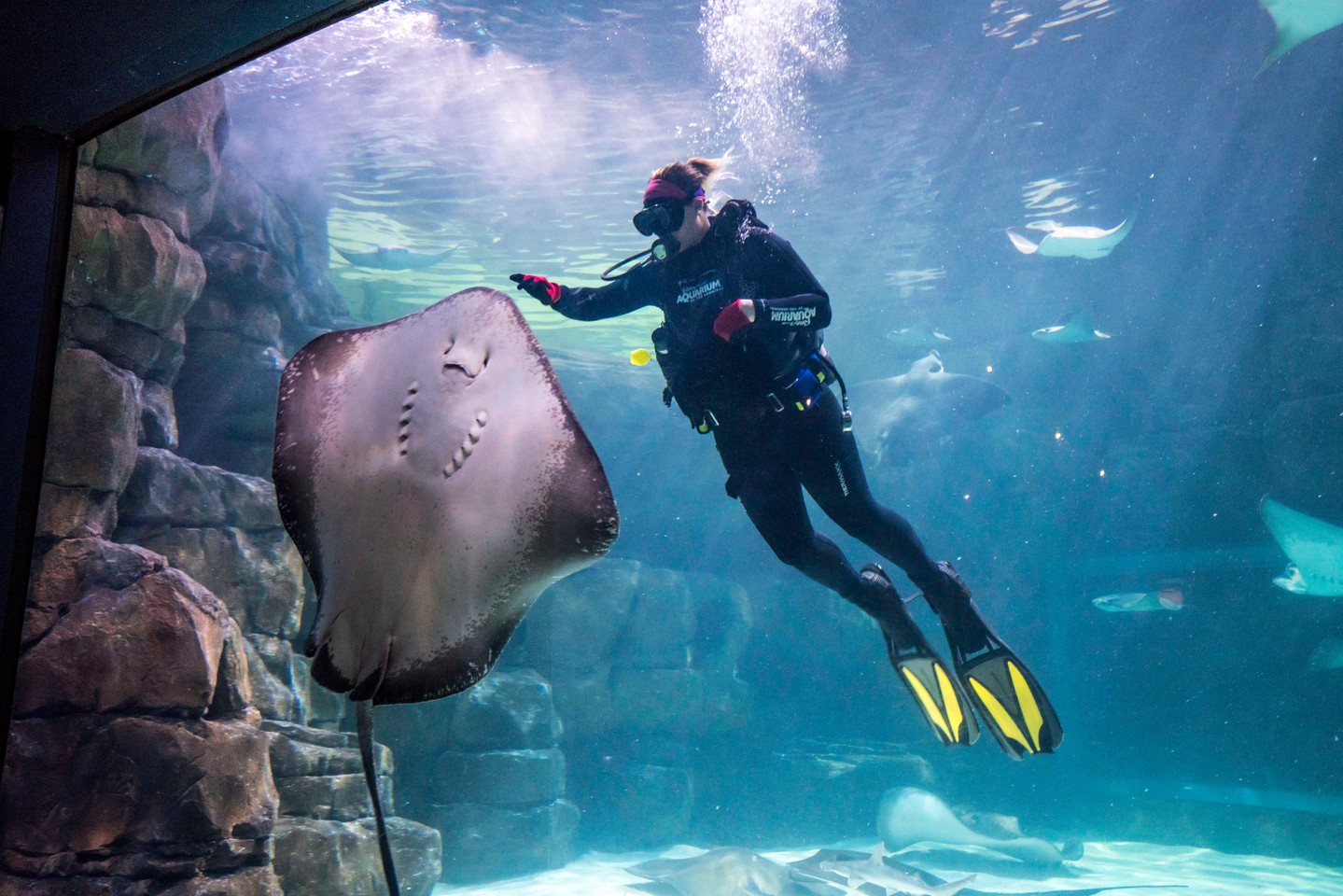
Interactive exhibits and hands-on experiences at institutions like Ripley’s Aquariums provide insight into marine life and their habitats. These facilities often collaborate with conservation organizations to translate scientific research into meaningful educational content. Engaging young minds in marine science fosters curiosity and a passion for wildlife conservation.
Wildlife conservationists also play a vital role in disseminating information. They publish research, engage in policy advocacy, and raise awareness about emerging threats to marine ecosystems. Their work highlights the interconnectedness of human activities and marine health, illustrating how choices made on land impact oceanic environments.
Government policies informed by scientific research can enhance conservation efforts. Policy frameworks that emphasize the importance of ecosystem services, recreational value, and cultural significance of oceans can shape public funding initiatives. Advocating for strong environmental regulations enables sustainable practices at all levels, from local fishing communities to multinational corporations.
How Individuals Can Make a Difference
While systemic changes are essential, individual actions are equally important in the fight for ocean conservation. Each person can contribute to protecting the oceans through simple choices and behaviors. Participation in community clean-up events removes trash from shorelines and raises awareness about marine pollution.
Moreover, practicing mindfulness regarding personal consumption patterns is crucial. Limiting water usage, reducing energy consumption, and making eco-friendly travel choices collectively lessen the ecological footprint. Educating friends and family about sustainability instills a culture of conservation within communities.
Volunteering with local organizations can also deepen one’s commitment to marine preservation. Beach clean-ups, wildlife surveys, and educational outreach empower individuals to engage positively with their environment. Joining citizen science initiatives fosters a sense of community while contributing valuable data to research projects.
Supporting conservation organizations adds to the collective effort. Donations and memberships enhance educational programs, research initiatives, and advocacy efforts aimed at protecting marine ecosystems. Active participation in advocacy campaigns can influence policymakers to prioritize ocean conservation. Utilizing social media platforms to share information encourages discussions about sustainability in broader contexts.
The ocean is vast and vital, serving as a source of life, inspiration, and economic resource. The myriad species that inhabit the oceans, from the smallest plankton to the largest whales, reveal the intricate connectivity of life on Earth. Celebrating World Ocean Day is more than just a day of recognition; it’s an opportunity to reflect on our collective responsibilities. Through education, sustainable practices, and individual commitments, we can protect the oceans—ensuring they remain a source of wonder and a resilient ecosystem for future generations.
*****
Source Description
🌊 It’s World Ocean Day! 💙
Today, we’re celebrating the heartbeat of our blue planet—the ocean. Covering over 70% of Earth’s surface, our oceans are home to millions of species, from sea turtles and jellyfish to sharks and coral reefs.
At Ripley’s Aquariums, we’re proud to support ocean conservation through education, research, and partnerships that protect marine ecosystems around the globe.
Every choice we make can help protect the sea, whether it’s reducing single-use plastics, choosing sustainable seafood, or supporting conservation organizations.
Let’s work together to keep our oceans healthy, vibrant, and full of life today and for generations to come.
