
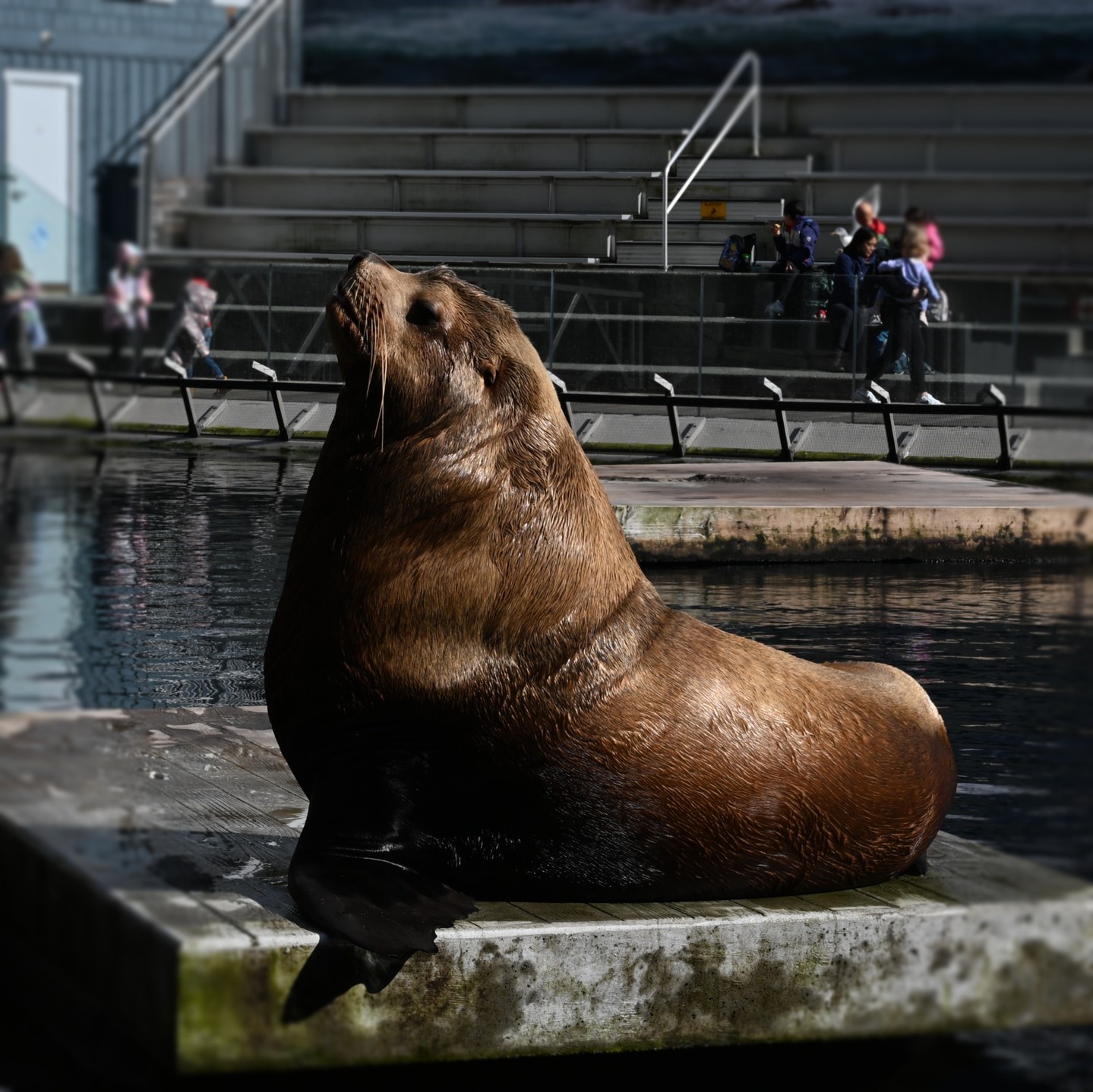
- The significance of Happy World Sea Lion Day in promoting awareness and conservation efforts.
- The biological and ecological characteristics of sea lions.
- The role of zoological institutions in sea lion conservation.
- The challenges faced by sea lions and the importance of habitat preservation.
- Community involvement and educational programs supporting sea lion conservation.
Every year, animal enthusiasts and conservationists observe Happy World Sea Lion Day. This day aims to increase awareness of sea lions, their ecological significance, and the urgent need for their conservation. Celebrations and activities are organized globally to highlight the plight of these fascinating marine animals and the important efforts being undertaken to safeguard their future.
Sea lions, members of the pinniped family, possess distinctive biological and ecological traits that set them apart in the animal kingdom. These creatures are primarily found along coastlines and in cold-water environments, ranging from the Pacific coasts of North and South America to parts of Asia and Australia. With thick, insulating blubber and streamlined bodies, sea lions are well-adapted to their marine habitats. They exhibit remarkable swimming abilities, using their powerful front flippers to propel themselves at significant speeds, while their rear flippers aid in maneuvering.
Social animals by nature, sea lions form groups called colonies, which can number from a few individuals to thousands. Their social structure plays a crucial role in survival, providing protection from predators and enhancing foraging success. Sea lions are carnivorous, feeding primarily on fish and squid. Their role as apex predators helps maintain the balance within their ecosystems by controlling prey populations.
Zoo management practices are instrumental in the preservation and protection of sea lions. By housing these animals in controlled environments, zoos can conduct vital research on sea lion behavior, health, and physiology. Such research contributes valuable data, aiding in the development of conservation strategies aimed at addressing the challenges sea lions face in the wild. Zoological institutions also offer safe havens for injured or orphaned individuals, providing care until they can be released back into their natural habitats.
Habitat preservation remains a critical component of sea lion conservation. Many populations face threats from climate change, overfishing, pollution, and habitat destruction. Rising ocean temperatures and sea levels disrupt their breeding grounds and food sources. Conservation efforts must focus on mitigating these impacts through comprehensive environmental policies and sustainable fishing practices. Marine protected areas play a pivotal role in allowing sea lion populations to recover by providing safe environments for breeding and foraging.
Community involvement is vital in driving the success of conservation initiatives. Educational programs and public outreach activities raise awareness about the importance of sea lions and inspire action among individuals and communities. On Happy World Sea Lion Day, organizations often host workshops and events to engage the public, fostering a collective sense of responsibility towards protecting these incredible creatures.
Through collaboration between scientists, conservationists, policy-makers, and the global community, the future of sea lions can be secured. Happy World Sea Lion Day is not just a celebration; it is a call to action, reminding us of our responsibility to protect and cherish the natural world and the diverse life forms it supports.
*****
Source Description
Happy World Sea Lion Day!
