
- Overview of Porcupine Species and Their Habitats
- Behavior and Social Structure of Porcupines
- The Role of Porcupines in Their Ecosystem
- Conservation Efforts and Challenges Facing Porcupines
- The Importance of Zoos in Porcupine Education and Preservation
Porcupines, often seen as spiny creatures from a distance, play a significant role in their ecosystems. There are over 30 species of porcupines, primarily divided into Old World and New World varieties. The Old World porcupines inhabit parts of Africa, Asia, and Europe, while the New World species are found across North America and South America. Each species adapts to specific habitats ranging from forests to grasslands. For instance, the North American porcupine primarily dwells in wooded areas, thriving on a diet of leaves, bark, and fruits. A porcupine’s ability to navigate various environments makes it an exceptional subject for wildlife enthusiasts and researchers alike.
Understanding the behavior and social structure of porcupines adds layers to their ecological importance. Most porcupines are solitary, coming together primarily during mating season. They are mostly nocturnal, exhibiting behaviors typical of a herbivore that conserves energy during daylight. Communication among porcupines often includes vocalizations, scent marking, and body language. Despite their solitary nature, they exhibit unique behaviors for interactions with potential mates. During courtship, males engage in an elaborate display involving vocalizations and pheromone releases. This intricate mating ritual illustrates the complexity of porcupine social dynamics.
Porcupines aren’t just intriguing for their behaviors but also for the ecological roles they fulfill. They play a critical part in their environment by contributing to tree growth. As they gnaw on tree bark and consume foliage, they help in forest regeneration. Their foraging activities allow new plant growth to thrive, which in turn supports various other species in their habitat. Additionally, porcupines serve as prey for larger predators, helping maintain the balance within their ecosystems. Understanding these roles emphasizes the importance of preserving porcupine populations and their habitats.
Yet, despite their ecological significance, porcupines face numerous challenges. Habitat destruction, primarily due to deforestation and agriculture, poses the greatest threat. Additionally, road accidents and hunting for quills can have detrimental effects. Conservation efforts are essential not only for preserving porcupine populations but also for protecting the integrity of their ecosystems. Organizations dedicated to wildlife conservation are working diligently to raise awareness, legislate protections, and promote sustainable practices to mitigate these threats. Efforts include habitat restoration and public education initiatives aimed at fostering coexistence between humans and porcupines.
Zoos and wildlife reserves play a vital role in the education and conservation of porcupines. Institutions like these are not just places for public enjoyment but also centers for research and conservation. They offer insights into the behavior and biology of porcupines through captive breeding programs and rehabilitation efforts. By educating the public about porcupines, zoos help foster appreciation and understanding, which is crucial for their conservation. Community outreach programs often include school visits and informational sessions designed to promote awareness of the importance of wildlife preservation.
The captivating title "Rise and Shine Little Porcupine!" aptly reflects both the endearing aspects of porcupines and the urgency surrounding their conservation needs. Initiatives such as wildlife education days can introduce the younger generation to the wonders of nature and the importance of protecting species like porcupines. Programs often combine fun activities with informative sessions to ensure lasting impressions. Interactive experiences like these can instill a deeper appreciation for wildlife and encourage the next generation to become advocates for animals.
In educational settings, focused discussions on the biology of porcupines can shed light on their unique adaptations. For instance, their quills are modified hairs with sharp barbs that can deter potential threats. Unlike other animals, porcupines cannot throw their quills, but they can raise them when threatened. This unique feature offers an intriguing opportunity for teaching about animal defenses. Understanding how porcupines use their quills as a means of protection enriches the educational value of studying these animals.
Research into porcupine diet sheds light on their role in promoting ecological balance. By feeding on various plant materials, they help control tree populations and promote biodiversity. Their preference for different plant species can influence the composition of local flora. Studies reveal that when porcupine populations decline, some plant species may overpopulate, leading to negative consequences for the local ecosystem. Thus, preserving porcupine populations indirectly supports the health of their habitats.
Speaking of habitat preservation, community involvement is paramount. Initiatives aimed at reducing human-wildlife conflict can greatly benefit porcupines. Educational programs focus on teaching farmers and landowners about coexistence strategies. Simple measures, such as providing designated foraging areas and creating noise barriers, can minimize conflicts and promote safer environments for porcupines. Engaging with local communities encourages shared responsibility for wildlife conservation and helps ensure a future for these fascinating creatures.
Veterinary care is another vital component of porcupine conservation efforts. Zoos often engage in health assessments and research to ensure the well-being of their porcupine populations. Studies examining the diet, disease susceptibility, and stress levels in captive porcupines contribute to better management practices in both zoos and natural habitats. Disease prevention programs and health monitoring can substantially enhance the chances of survival for both captive and wild porcupines. Veterinary care in zoos serves as a model for implementing similar practices in the wild.
Engagement with porcupines extends beyond local communities. Collaborations with international conservation organizations help address global threats to porcupine populations. These partnerships stimulate research on porcupine populations, increase funding for conservation projects, and promote awareness across nations. Such collaborative efforts recognize the interconnectedness of ecosystems and the shared responsibility of preserving species worldwide.
Public perception of porcupines is also actively shaped through campaigns and educational resources. Social media plays a crucial role in promoting awareness about porcupine conservation. Platforms like Instagram are often filled with posts highlighting porcupines as charismatic, quirky animals, fostering affection and support. These campaigns aim to shift negative perceptions, further encouraging public engagement in conservation. An appreciation for their importance can lead to increased support for habitat conservation and wildlife protection initiatives.
In summation, "Rise and Shine Little Porcupine!" serves as more than just a playful catchphrase. It encapsulates the urgency and significance of everyone’s role in the conservation of porcupines and their habitats. Understanding their species, behavior, and environmental roles enhances appreciation, which facilitates meaningful conservation efforts. As interest in wildlife continues to grow, promoting awareness surrounding porcupines will extend their impact on ecosystems, ensuring their survival for generations to come.
*****
Source Description
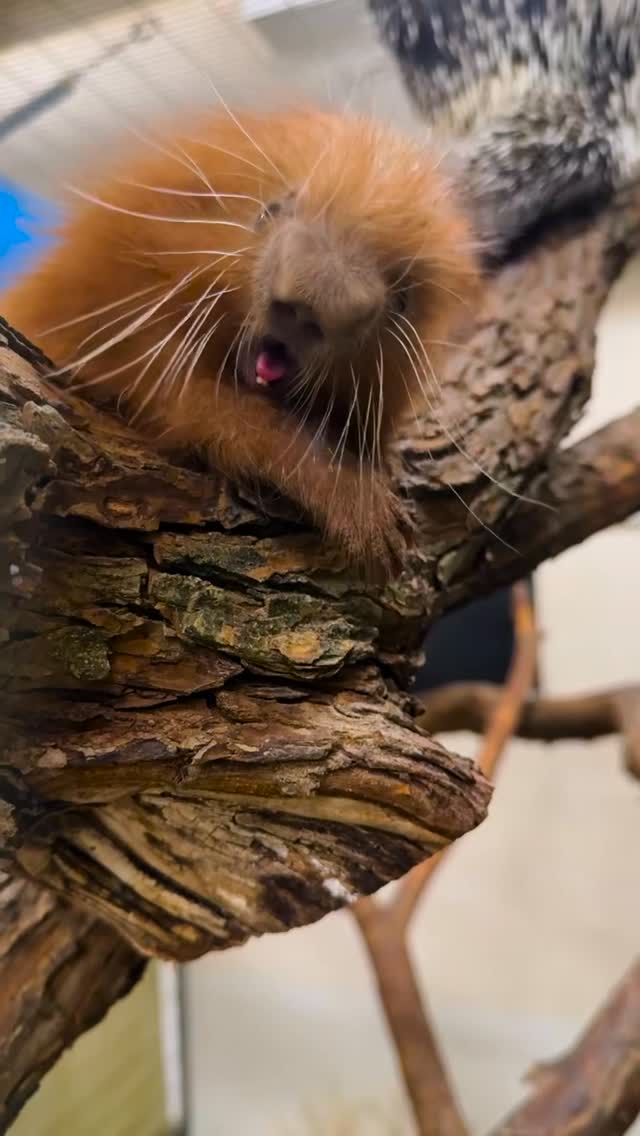
Rise and shine little porcupine! ⛅️💛
📸: Keeper Danielle
