
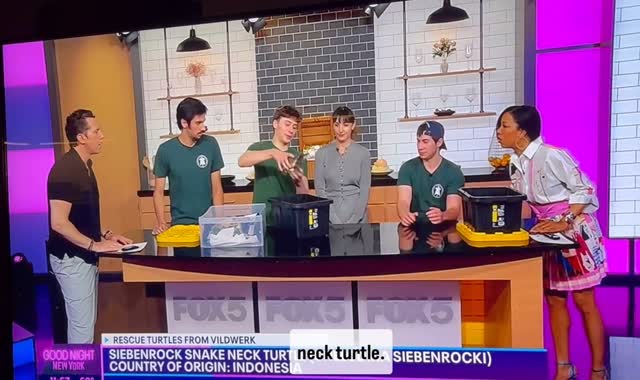
- The significance and history of World Turtle Day.
- Conservation efforts and the role of organizations like the Turtle Conservancy.
- The ecological importance of turtles and threats to their survival.
- The relationship between performing arts and wildlife conservation.
- Media coverage and its impact on awareness and support for turtle conservation.
World Turtle Day, celebrated annually on May 23rd, serves as a pivotal moment for raising awareness about turtle conservation worldwide. This day, established in 2000 by the American Tortoise Rescue, highlights the challenges turtles face and the collective efforts required to protect these ancient creatures. Turtles have thrived on Earth for over 200 million years, yet today they face unprecedented threats, including habitat destruction, illegal wildlife trade, and climate change. Celebrating World Turtle Day sparks vital conversations about how we can contribute to their survival.
Organizations like the Turtle Conservancy play a crucial role in these efforts. Established to preserve and protect threatened turtles and tortoises and their habitats, the Turtle Conservancy conducts scientific research, runs breeding programs, and works globally to establish protective measures. Such organizations rely on public awareness and support, much of which is gathered through events like World Turtle Day. These efforts are essential in curbing the decline of turtle populations and preserving biodiversity, given turtles’ roles as indicators of ecosystem health.
Turtles hold significant ecological importance. As both predators and prey, they maintain healthy seagrass beds, control insect populations, and contribute to balanced aquatic ecosystems. The loss of turtles can lead to ecosystem imbalances, highlighting the urgent need for conservation. Unfortunately, turtles face various threats, from being hunted for their meat and shells to suffering from pollution and loss of nesting sites. Efforts to safeguard turtles involve implementing protective legislation, supporting community engagement in conservation, and global cooperation to mitigate climate risks.
An intriguing aspect of conservation is the intersection between art and environmental advocacy. The performing arts, as demonstrated by groups like VILDWERK, leverage creativity to appeal emotionally to audiences. These performances can generate empathy and understanding about the plight of turtles, making the cause accessible and compelling. Art becomes a vessel through which complex environmental issues are communicated, fostering connection and action within diverse communities.
Media coverage profoundly impacts public awareness and engagement. Outlets such as Fox5NY highlight these issues on platforms with broad reach, helping cause-related messages penetrate mainstream discourse. Social media has become a powerful tool in this context, creating networks of advocates and amplifying the reach of conservation messages. When media aligns with organizations like the Turtle Conservancy and performing arts groups, it creates a synergistic effect that enhances public understanding and encourages active participation in conservation efforts.
By dedicating time and resources to initiatives like World Turtle Day, individuals, organizations, and media outlets collectively contribute to protecting turtle species. Active engagement provides hope for reversing their decline, ensuring these fascinating creatures continue to be part of our world.
*****
Source Description
Happy World Turtle Day! Thank you to @fox5ny for supporting conservation @turtleconservancy and the performing arts @vildwerk and for giving us and ours 🐢🐢🐢🐢🐢🐢 some screen time.
