
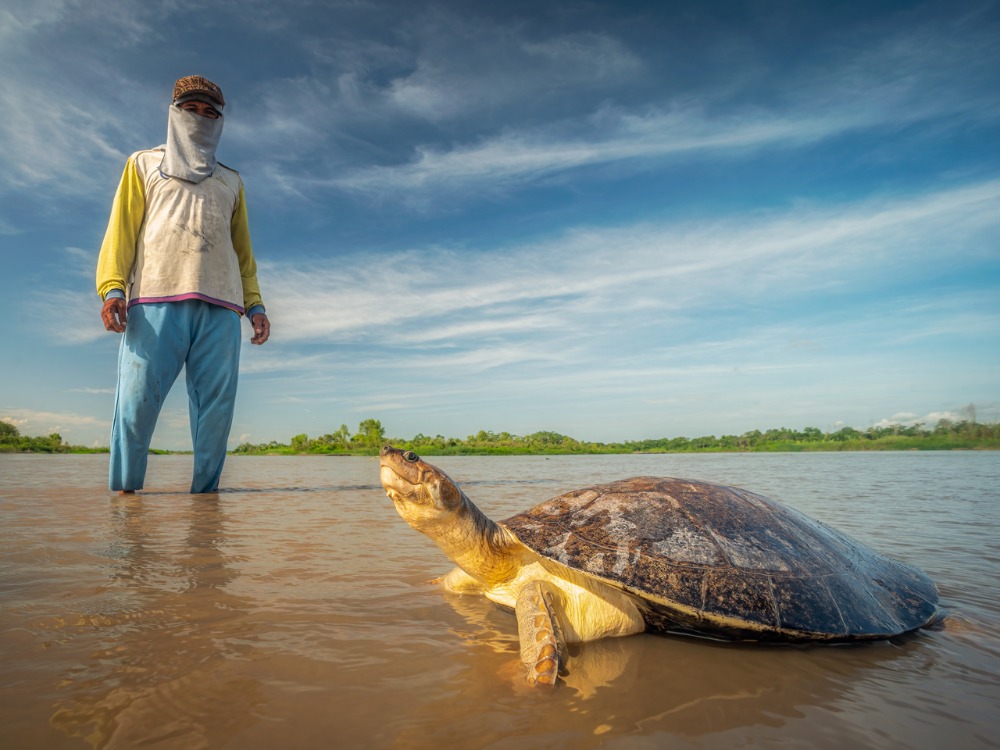
- Turtles face significant threats from habitat destruction, illegal wildlife trade, and climate change.
- Over half of the 360 turtle species are near extinction, with Turtle Survival Alliance prioritizing conservation efforts.
- Conservation strategies focus on critical species needing immediate intervention.
- Public engagement and education are essential for successful wildlife conservation.
- Specific turtle species are highlighted for their critically endangered status and habitat challenges.
Turtles are central to Earth’s biodiversity, representing a lineage that dates back millions of years. These fascinating reptiles play crucial ecological roles, from controlling aquatic vegetation to serving as prey for larger predators. Unfortunately, turtles face increasingly severe threats, spurred by human activity. Loss of habitat, illegal trading, and climate change have pushed many species to the brink of extinction.
The Turtle Survival Alliance (TSA) dedicates its resources to protecting the world’s most threatened turtle species. The alarming fact is over half of the 360 turtle species are under threat. Among these, TSA prioritizes 150 species using criteria based on endangerment levels, conservation needs, and available resources.
Regarding habitat destruction, turtles are particularly vulnerable. Wetlands, rivers, and forests are increasingly encroached upon for agriculture and urban development. Such changes disrupt the delicate ecosystems that turtles depend on, impacting their ability to find food and reproduce. For example, deforestation and water pollution have severely affected the habitat of the critically endangered Magdalena River Turtle (Podocnemis lewyana).
Illegal wildlife trade is another daunting challenge. The high demand for turtles as exotic pets and for use in traditional medicine drives poaching and unsustainable trade practices. The Southern Vietnam Box Turtle (Cuora picturata) exemplifies the disastrous impact of illegal trade. Captured frequently due to its unique appearance, it faces critical population declines.
Climate change adds another layer of complexity to turtle conservation. The planet’s warming affects sex ratios in hatchlings, especially for species like sea turtles whose gender is temperature-dependent. Rising sea levels and increased storm frequency destroy nesting sites, further threatening survival rates. The Radiated Tortoise (Astrochelys radiata), already critically endangered, is additionally impacted by shifting climate patterns that alter its natural habitat.
The Turtle Survival Alliance strategically directs conservation efforts where they are most required. This involves habitat restoration, captive breeding programs, and anti-poaching initiatives. For instance, TSA’s efforts in captive breeding have been pivotal for the Chaco Tortoise (Chelonoidis chilensis), helping stabilize dwindling populations.
Public involvement and education are integral to conservation success. Understanding and support from local communities enhance preservation efforts. Education programs aimed at young audiences raise awareness about the importance of turtles and biodiversity. By promoting conservation values, TSA nurtures a culture of wildlife protection essential for long-term success.
Specific turtles have garnered spotlight attention due to their critical status. The Diamondback Terrapin (Malaclemys terrapin), though listed as vulnerable, faces significant threats from habitat degradation and bycatch in fishing activities. Conservation programs focus on protecting nesting sites and mitigating accidental captures.
TSA’s mission underscores that every turtle species counts in preserving Earth’s environmental health. By adopting comprehensive conservation strategies and fostering public engagement, TSA strives for a sustainable future where turtles thrive. Through ongoing efforts and public involvement, we can collectively address the challenges these reptiles face and secure their place within the planet’s vibrant tapestry of life.
*****
Source Description
Turtles are at the heart of our organization’s mission and the reason for our existence. Now, more than ever, they need our help facing mounting pressures from habitat destruction, illegal wildlife trade, and climate change. More than half of the 360 species of turtles living on Earth today—including all tortoises, terrapins, sea turtles, and freshwater turtles—are threatened with extinction. Turtle Survival Alliance prioritizes over 150 of these species based on their level of endangerment, our understanding of their conservation needs, and the resources available to us. Through our efforts, we strive to create a better world for the turtles, for their future.
Thank you for joining us today–and every day–for the turtles.
Pictured:
1 – Magdalena River Turtle (Podocnemis lewyana)
IUCN Red List Status: Critically Endangered
Photo by Jhonattan Vanegas
2 – Southern Vietnam Box Turtle (Cuora picturata)
IUCN Red List Status: Critically Endangered
Photo Copyright Nickie Stone, Garden & Gun
3 – Diamondback Terrapin (Malaclemys terrapin)
IUCN Red List Status: Vulnerable
Photo by Tabby Hootman
3 – Radiated Tortoise (Astrochelys radiata)
IUCN Red List Status: Critically Endangered
Photo by Andry Fandresena
4 – Chaco Tortoise (Chelonoidis chilensis)
IUCN Red List Status: Critically Endangered
Photo by Darío Podestá
