
- The increasing wildfire risk in the Sonoran Desert due to invasive plants.
- The role of invasive species, particularly buffelgrass and stinknet, in altering fire dynamics.
- The significance of Pima County’s Community Wildfire Protection Plan (CWPP).
- Strategies for community engagement and public input in the wildfire prevention plan.
- The broader implications of wildfire risk on local ecosystems and human infrastructure.
The Sonoran Desert is facing a changing ecology, with escalating wildfire risks that are increasingly attributed to invasive plant species. The fire dynamics in this arid region are shifting in ways that have significant implications for local flora, fauna, and human habitats. Invasive plants, particularly buffelgrass and stinknet, are crucial contributors to this problem.
Buffelgrass (Pennisetum ciliare) and stinknet (Oncosiphon piluliferum) are both well-adapted to the dry conditions of the Sonoran Desert, allowing them to proliferate extensively. Their rapid growth and high fuel loads create conditions for fires that can burn hotter and spread more rapidly than native plants. Historically, certain areas of the desert had low fire recurrence; naturally occurring fires were infrequent and less intense. Now, however, these invasive grasses are turning the landscape into a tinderbox.
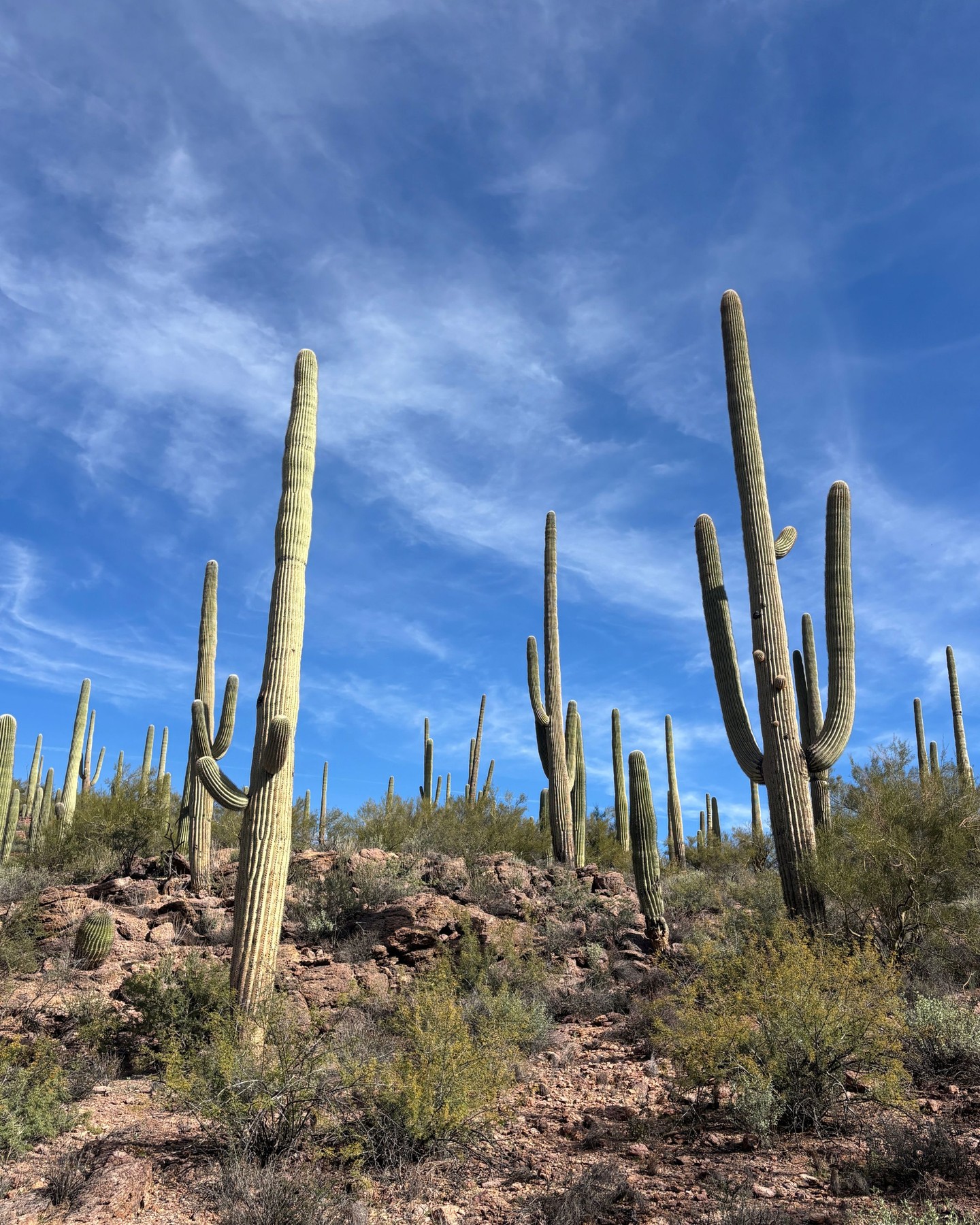
Buffelgrass is particularly effective at establishing in disturbed areas and then spreading into natural ecosystems. Its dense growth can substantially alter the fire regime of local habitats. Fires fueled by buffelgrass can reach temperatures sufficient to damage or kill iconic Saguaros (Carnegiea gigantea), along with many other native species. These majestic cacti are not only culturally significant but also an essential part of the desert ecosystem, providing habitat and food sources for various wildlife species.
Stinknet, while not as widely known, adds another layer of risk. This invasive plant produces large quantities of seeds that germinate quickly after rainfall, leading to rapid coverage of previously open areas. The dense mats of stinknet can facilitate fast-spreading fires, further challenging local ecosystems and even residential areas bordering these habitats.
Pima County recognizes the implications of these changing fire dynamics and is taking proactive measures through the development of a Community Wildfire Protection Plan (CWPP). The CWPP is designed to guide the region in reducing wildfire risks while prioritizing the safety of communities, preserving native ecosystems, and improving readiness for fire events. This initiative reflects both a local and ecological approach to fire management, aiming to equip communities with the knowledge and resources needed to mitigate risks effectively.
Citizens’ voices are integral to this plan. Community input can shape priorities for fire prevention strategies, funding allocations, and educational initiatives. The CWPP public survey encourages residents, hikers, and conservation enthusiasts to voice their opinions, ensuring that the plan considers diverse experiences and perspectives. This public engagement is crucial for identifying specific areas of concern, understanding how communities interact with their environments, and aligning fire management strategies with local needs.
Education plays a key role in tackling the wildfire risk in the Sonoran Desert. Awareness about the impacts of invasive species and the necessity of maintaining native landscapes can motivate community involvement. Workshops, educational programs, and outreach initiatives can empower residents with the knowledge needed to recognize invasive plants and encourage responsible land stewardship.
Moreover, restoring native plant communities is vital for reducing fire risk. Initiatives aimed at installing drought-resistant native species can improve soil stability, reduce erosion, and ultimately lessen fuel loads that contribute to fire spread. Communities can work with local conservation organizations to implement replanting strategies that focus on biodiversity, helping to create fire-resistant landscapes.
Understanding the ecological context of wildfire risk is also essential. Wildfires serve as a natural part of many ecosystems, promoting new growth and maintaining biodiversity. However, the new fire regime introduced by invasive species threatens this balance. In ecosystems traditionally adapted to a particular fire cycle, the introduction of frequent, high-intensity fires disrupts the life cycles of native species. The resulting habitat destruction can lead to long-term ecological shifts that alter species composition, reduce biodiversity, and hinder recovery efforts.
Addressing these complexities requires a comprehensive approach involving local governments, conservation organizations, and communities. Each stakeholder has a role to play in developing a long-term strategy for wildfire risk reduction. Collaboration can take many forms, such as joint clean-up efforts, volunteer programs aimed at invasive species removal, and community education initiatives.
In addition to direct interventions in vegetation management, monitoring and research are essential. Ongoing research on fire behavior, the effects of invasive species, and the resilience of native ecosystems helps inform adaptive management strategies. By analyzing fire patterns, scientists can develop models that predict potential fire outbreaks, allowing for better preparation and response planning.
Balancing the needs of local communities with conservation goals presents challenges. Increased human settlement in fire-prone areas exacerbates the risks associated with wildfires. As neighborhoods expand into the desert, the interface between human infrastructure and natural habitats becomes more pronounced, raising the stakes for both property safety and ecological health. Effective land-use planning that integrates fire risk assessments can help mitigate the dangers posed by wildfires.
Unique to the Sonoran Desert is its cultural significance and connection to its inhabitants. Communities have long engaged with the land, relying on its resources and valuing its ecosystems. As wildfire risks increase, preserving this relationship becomes imperative. By fostering an appreciation for the desert’s ecosystems and their resilience, residents can be inspired to take action.
Protecting the Sonoran Desert extends beyond fire management. The ecological tapestry is woven with a range of habitats, wildlife, and plant species. The Saguaros and other native flora and fauna play crucial roles in maintaining the ecological balance. Their decline due to increased wildfire risk could have cascading impacts on local wildlife, many of which rely on specific plants for food and habitat.
Wildlife conservation efforts must be integrated into wildfire management discussions. Protecting wildlife corridors and ensuring that species can safely traverse their habitats is fundamental to maintaining biodiversity. An educational approach that emphasizes the interconnectivity of environments and species can foster a sense of stewardship among residents.
The risks associated with wildfires in the Sonoran Desert are a pressing issue that requires urgent attention from all corners of the community. By engaging with initiatives like Pima County’s Community Wildfire Protection Plan, residents can become active participants in shaping their environment and safeguarding it for future generations. Awareness and education are key in promoting responsible behaviors that ultimately lead to healthier ecosystems.
Participating in public surveys and sharing insights can provide meaningful information to policymakers and planners who craft strategies for managing wildfire risk. Efforts aimed at raising awareness about invasive species and the impact of altering traditional fire regimes are necessary to align community action with conservation needs.
In essence, the challenge posed by invasive plants and altered fire dynamics requires a multifaceted response. Through collaboration, education, and community engagement, residents can contribute to a collective effort to mitigate wildfire risks while honoring the exceptional beauty and ecological significance of the Sonoran Desert.
*****
Source Description
Wildfire risk in the Sonoran Desert is changing—and invasive plants are a big reason why. 🔥🌾
Species like buffelgrass and stinknet are excellent fuel for fire, allowing fires to burn hotter, spread faster, and reach places that historically did not burn, threatening saguaros, wildlife, neighborhoods, and infrastructure.
Pima County is developing a Community Wildfire Protection Plan (CWPP) to guide how our region reduces wildfire risk, and your voice matters! The CWPP will help shape priorities for prevention, education, and funding.
Whether you live near desert open space, love hiking among saguaros, or simply care about the future of our desert and our community, your input can help ensure the plan reflects real conditions on the ground.🌵
Take a few minutes to complete the Pima County CWPP public survey at the link in our bio and help protect the Sonoran Desert we all love!
