
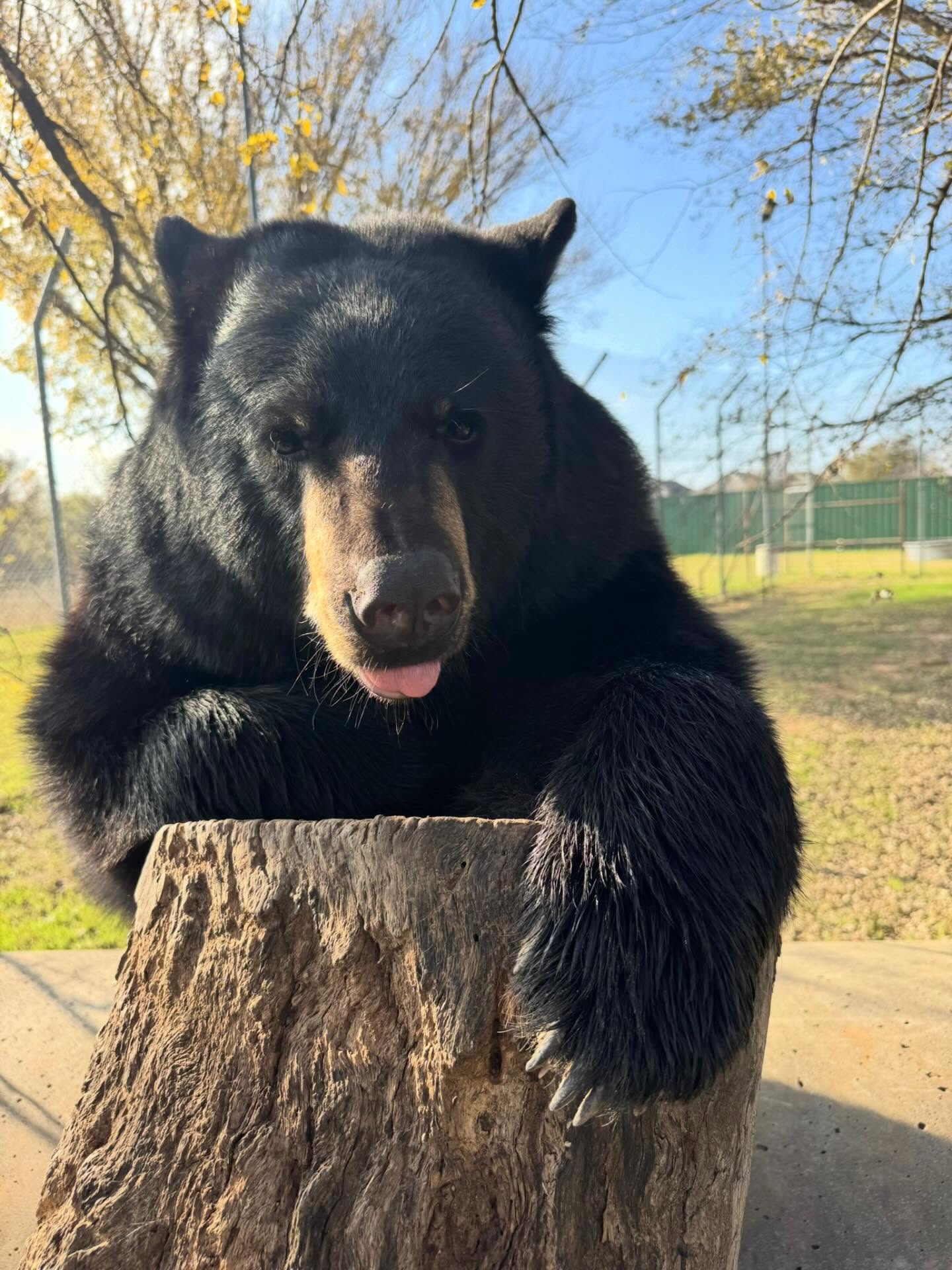
- The significance of animal welfare in modern zoos
- Restoration of habitats and ecosystems through zoo-led initiatives
- The role of education and community engagement in wildlife conservation
- The importance of genetic diversity in successful breeding programs
- Innovative technologies and practices employed in zoo management
The significance of animal welfare in modern zoos encapsulates the transformation zoos have undergone in recent decades. No longer merely collections of animals for public entertainment, many modern zoos prioritize the well-being of their inhabitants. This shift stems from a growing understanding of the psychological and physical needs of animals. Behaviorally enriched environments have risen to the forefront of zoo design. These environments promote natural behavior through the incorporation of vegetation, varied terrain, and interactive elements. Increased public awareness and advocacy for humane practices have further fueled this change, leading to higher standards that measure animal welfare.
Zoos are now creatures of education, striving to inform visitors while simultaneously caring for their animals. They provide vital insights into species behavior and ecology. By focusing on animal welfare, they cultivate awareness of broader conservation issues. The human-animal relationship has been researched extensively, underscoring how positive interactions can encourage empathy and spur action. More than just displays, modern facilities encourage visitors to grasp the significance of conservation. By illuminating these connections, zoos effectively become critical players in wildlife conservation.
Restoration of habitats and ecosystems through zoo-led initiatives highlights another major responsibility of modern zoos. Many facilities extend their efforts beyond their gates, engaging in vital conservation projects in-situ, or natural environments of the species they house. This proactive approach includes restoring ecosystems, mitigating threats, and collaborating with native communities. Zoos contribute significantly to reforestation and habitat reconstruction. Collaborations with environmental organizations bolster these efforts, allowing for a combined approach to conservation. Such practices not only protect endangered species but also restore balance within entire ecosystems.
An example can be found in breeding programs that specialize in endangered species. Successful reintroduction requires healthy environments, which zoos help create. They work closely with governments, NGOs, and local communities to restore habitats. Zoos also conduct field research, further enhancing conservation knowledge. These multifaceted initiatives contribute to maintaining ecological balance, showcasing how zoos can act dynamically in the face of environmental degradation.
The role of education and community engagement in wildlife conservation is irrefutable. Zoos serve as platforms for disseminating knowledge about conservation. Educational programs focus on building a sense of responsibility within the community. Through targeted campaigns, workshops, and volunteer opportunities, zoos invite the public to become active participants. Hands-on experiences foster genuine connections between visitors and wildlife. This engagement not only cultivates awareness but also encourages long-term commitment to conservation efforts.
Storytelling plays a critical role in education. By sharing the narratives of individual animals, zoos create relatable connections. These stories emphasize the importance of species conservation. They help visitors understand that each animal has a role in its ecosystem, promoting empathy toward threatened wildlife. Educational outreach varies from school programs to global campaigns, focusing on different age groups and interests, thereby broadening the impact of messaging.
The importance of genetic diversity in successful breeding programs cannot be overstated. Genetic health is crucial for the long-term viability of any species. Zoos participate in managed breeding programs that prioritize genetic variation. In many instances, species such as the California condor or the black-footed ferret have benefitted from these meticulous efforts. Geneticists assess genetic material to inform breeding decisions. This approach minimizes the risks of inbreeding, ensuring a resilient population that can thrive in both captivity and in the wild.
Coordination among different zoos is also vital for effective breeding programs. The Association of Zoos and Aquariums (AZA) operates Species Survival Plans (SSP) that connect institutions. Through these plans, zoos share information and engage in collaborative breeding efforts. Ensuring a diverse gene pool is critical for reintroducing species into their natural habitats. These programs have achieved notable success by fostering genetic diversity while ensuring that populations remain healthy and adaptable.
Innovative technologies and practices employed in zoo management represent the cutting edge of modern wildlife care. Advancements in veterinary science contribute to better health outcomes for captive animals. Innovations in animal identification, tracking, and habitat design allow for real-time monitoring. Such tools aid in understanding individual animal needs, fostering an environment that promotes well-being.
Moreover, facilities are now using technological solutions to enhance visitor experiences. Interactive exhibits, augmented reality, and mobile applications bring animals and their habitats closer to the public. These technologies help bridge gaps in knowledge and spur interest in wildlife conservation efforts. By employing state-of-the-art practices, zoos are creating an environment that caters not only to the animals but also educates and engages the public effectively.
The intersection of these topics — animal welfare, habitat restoration, community engagement, genetic diversity, and innovative practices — encapsulates the core mission of modern zoos. These institutions have evolved into formidable forces for conservation and education. As they embrace their newfound responsibilities, their impact resonates beyond the confines of their enclosures. Zoos are crucial allies in addressing the myriad challenges facing wildlife today.
They prove that through collaboration, education, and innovative management, it is possible to change the narrative surrounding wildlife conservation. Thank goodness you’re back! All is right again, as we witness the ongoing commitment of zoos to not only protect but also restore our planet’s invaluable wildlife. Through holistic approaches to management and a dedication to public education, these institutions continue to pave the way for a more sustainable future.
Embracing these principles, modern zoos exemplify a commitment to coexistence. They mirror the complex interdependencies found in nature, championing biodiversity and ecological responsibility. Positioned at the forefront of wildlife conservation, these institutions strive to protect the legacy of the world’s flora and fauna, inspiring generations to cherish and safeguard our natural heritage. Through unyielding efforts, they continue to uplift our understanding of wildlife, nurturing a global community dedicated to making a lasting impact. Each visit, each interaction, and each initiative contributes to a worldwide conservation ethos, fostering a collective commitment to preserving the Earth’s diversity for generations to come.
*****
Source Description
Thank goodness you’re back! All is right again💚💛
