
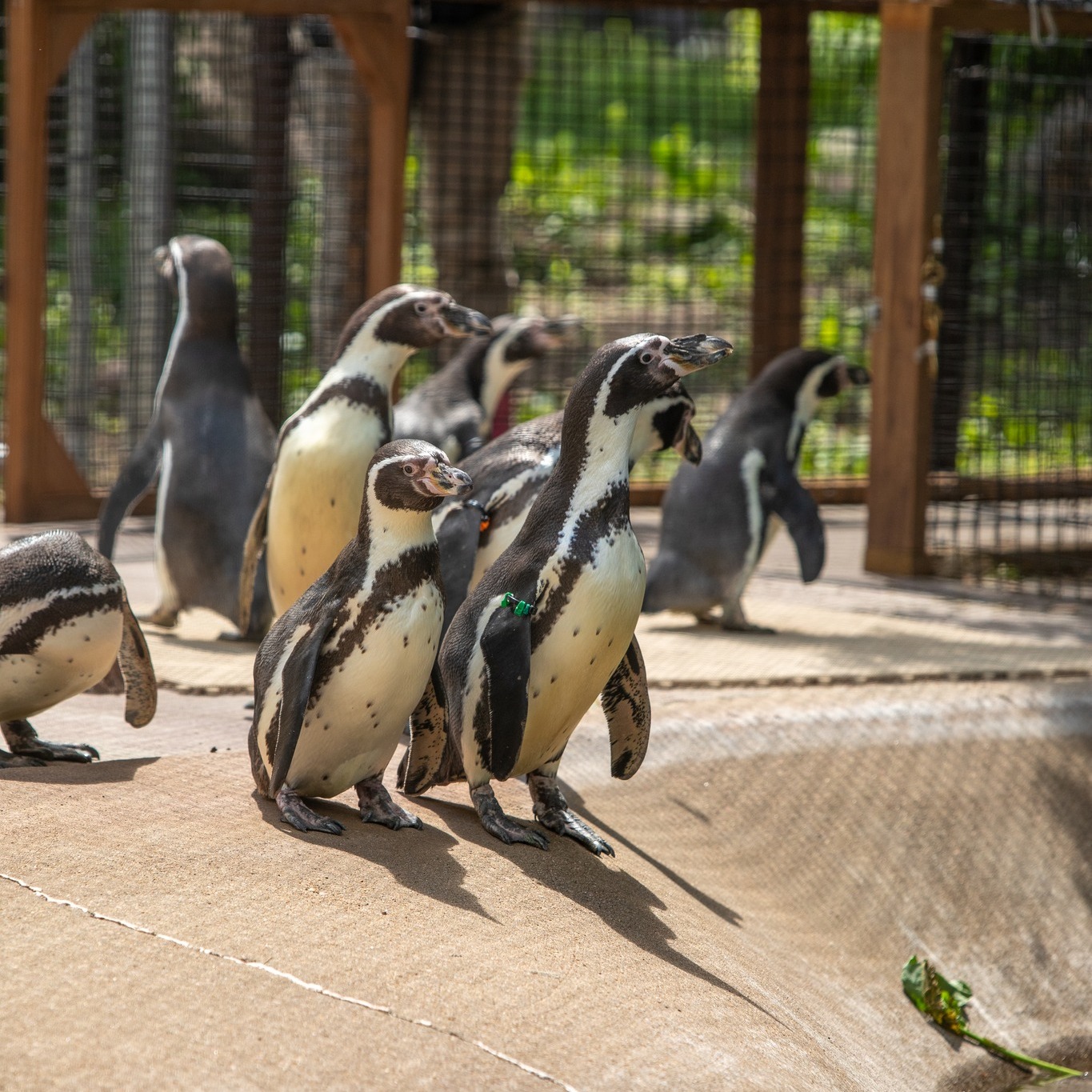
- Understanding Penguin Behavior and Social Dynamics
- The Importance of Outdoor Access in Penguin Enclosures
- Zoo Management Practices for Penguin Health and Well-being
- Wildlife Conservation Efforts for Penguin Species
- Encouraging Public Engagement and Education through Zoo Visits
Penguins are fascinating creatures with intricate social behaviors and dynamic interactions. They often form groups, known as colonies, where they engage in various activities such as swimming, preening, and communicating with each other. These behaviors are crucial for their survival and reproduction.
In controlled environments like zoos, it is essential to replicate these social structures to promote natural behavior. Penguins rely on vocalizations and body language to maintain social bonds. Their communication includes calls that vary in pitch and rhythm, each serving a different purpose, from attracting a mate to warning of danger. Understanding these dynamics allows zoos to support the mental and emotional health of their penguins.
Access to outdoor environments is a vital component of modern zoo management practices. Providing penguins with the opportunity to enjoy outdoor access and swim in pools offers significant benefits. These activities encourage physical exercise, which is crucial for maintaining their health. Swimming mimics their natural hunting behavior, keeping them physically fit and mentally stimulated.
Allowing penguins the choice to go outdoors enhances their autonomy and well-being. On days they opt to explore, they showcase their remarkable abilities. Such decisions can be influenced by weather, the presence of other animals, and individual preferences. This choice-driven model is aligned with the principles of animal welfare, promoting a higher quality of life.
Efficient zoo management practices are crucial for the health and well-being of penguins. Staff must monitor their health through regular check-ups and observational analysis. A balanced diet tailored to meet their nutritional needs is paired with environmental enrichment strategies that challenge them cognitively and physically. Consistency in care routines helps minimize stress and prevent illness.
Climate control and habitat design are also paramount. Enclosures must be spacious and include features that replicate natural environments, such as ice patches or rocky terrains. Maintaining water quality in pools ensures penguins can swim in safe conditions, free from harmful pathogens. Advanced filtration systems play a critical role in sustaining this environment.
Penguin conservation is a global concern, with many species facing threats from climate change, pollution, and habitat destruction. Zoos participate in conservation efforts by engaging in breeding programs and contributing to research projects. Such initiatives aim to bolster wild populations and ensure genetic diversity. By collaborating with international conservation organizations, zoos support efforts to protect penguins in their natural habitats.
An essential aspect of wildlife conservation is public education. Zoos are uniquely positioned to foster appreciation for penguins and raise awareness about the challenges they face. Educational programs and interactive exhibits enable visitors to learn about penguin biology, ecology, and conservation. Encounter sessions, where individuals can observe penguins up close, deepen the connection between humans and these captivating birds.
Engaging the public is vital for inspiring action. Zoo visitors who are informed about conservation issues are more likely to contribute to efforts aimed at protecting wildlife. By visiting zoos and experiencing the joy of watching penguins flourish, people develop a sense of responsibility toward environmental stewardship.
Visiting zoos offers more than entertainment; it is an opportunity to witness the wonders of nature and understand the importance of preserving it. Observing the penguins enjoying their outdoor access and displaying their prowess in swimming provides a glimpse into their lives and the dedication involved in their care. By securing tickets and experiencing these animals firsthand, visitors contribute to the continuation of essential conservation efforts.
Zoos play a critical role in wildlife conservation and education. They serve as a bridge between the public and the natural world, fostering a collective effort to protect endangered species like penguins. Through informed zoo management and public engagement, we can help create a sustainable future for these extraordinary birds, ensuring that they continue to thrive both in captivity and in the wild.
*****
Source Description
You ever seen a crew that looks this good!? 😍😍
Our penguins have been enjoying their outdoor access and swimming laps in their pool like pros! While they may choose not to go out every day, when they do they are looking GOOD!
Stop by and check them out!
Get your tickets at the link in our bio!
.
.
.
