
- Understanding the Importance of Wildlife Conservation
- The Role of Zoos in Education and Conservation
- Engaging with Biodiversity: Animal Behavior and Adaptations
- Ethical Considerations in Captive Wildlife Management
- Future Directions in Zoology and Wildlife Preservation
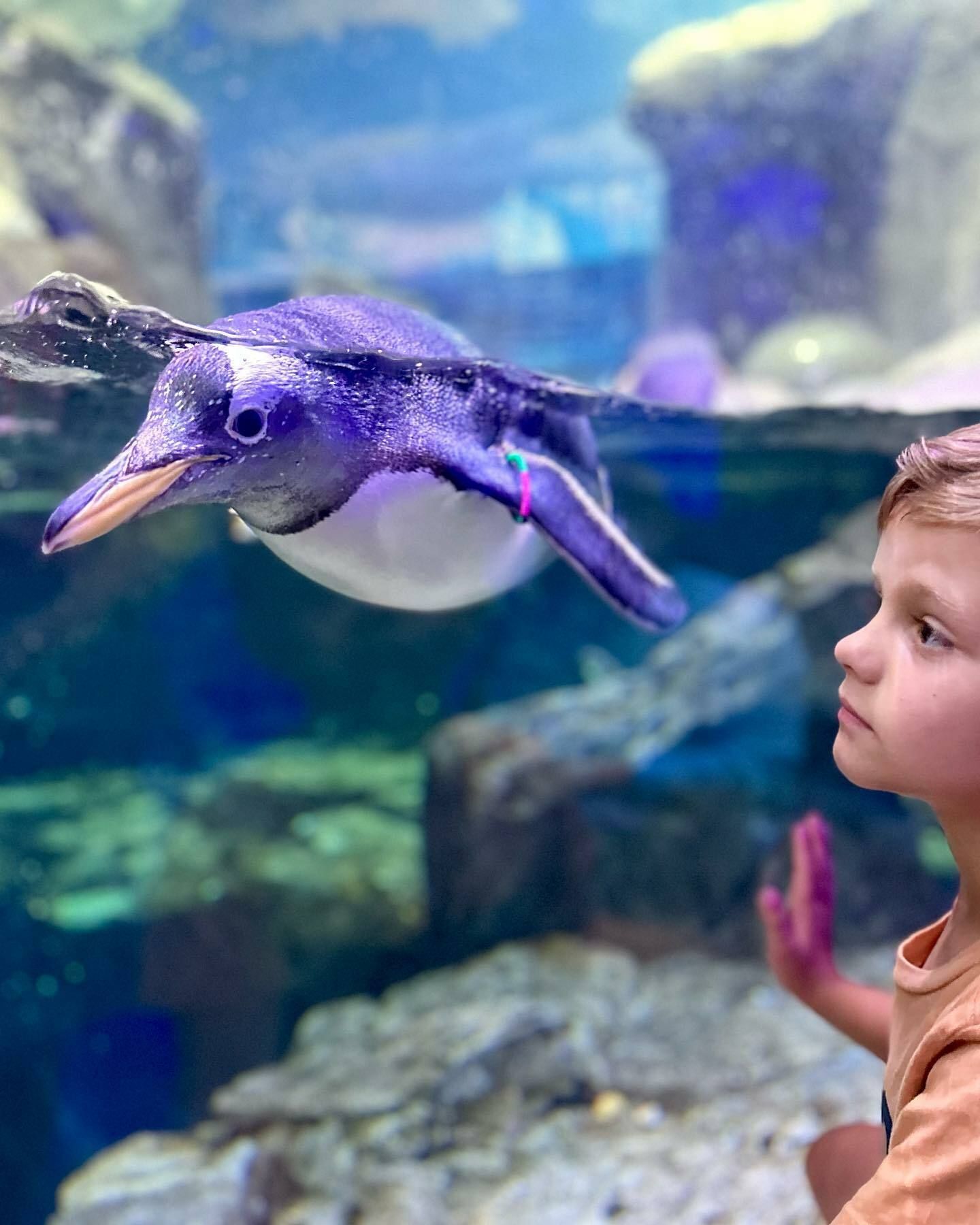
Encountering extraordinary creatures provides unparalleled opportunities to deepen our understanding of biodiversity, conservation, and the critical roles they play within ecosystems. This exploration offers insights into how direct engagement with wildlife can transform perspectives and inspire stewardship.
Understanding the Importance of Wildlife Conservation
Wildlife conservation is fundamental for maintaining biodiversity and ecological balance. As human activities increasingly encroach on natural habitats, many species face threats that endanger their survival. Habitat destruction, climate change, and poaching have driven significant losses in flora and fauna populations worldwide. Conserving these creatures is imperative because each species plays a unique role in its ecosystem, contributing to its health and stability.
Preserving biodiversity ensures ecological resilience, allowing ecosystems to withstand environmental changes and recover from disruptions. Moreover, diverse species contribute to ecosystem services that benefit human societies, such as pollination, water purification, and carbon sequestration. Conservation efforts, therefore, are not just about saving individual species but about safeguarding the intricate web of life that sustains our planet.
The Role of Zoos in Education and Conservation
Zoos have evolved from mere entertainment venues into vital institutions for education and conservation. Modern zoos facilitate face-to-face encounters with captivating animals, fostering a deeper understanding of their behavior, ecology, and the challenges they face in the wild. Educational programs and exhibits inform visitors about the importance of conservation while promoting empathy and respect for wildlife.
Zoos participate actively in species survival plans and breeding programs, contributing to the preservation of endangered species. These efforts are crucial for species with dwindling wild populations, as captive breeding can help maintain genetic diversity and provide a potential future for species reintroduction into the wild.
Furthermore, zoos collaborate with global conservation organizations, supporting research and on-the-ground initiatives dedicated to habitat preservation and community engagement. By visiting zoos, individuals can contribute to conservation funding, directly impacting efforts to protect imperiled species and their habitats.
Engaging with Biodiversity: Animal Behavior and Adaptations
Encountering diverse species reveals the fascinating array of behaviors and adaptations that animals exhibit. These attributes are critical for survival, foraging, mating, and defense. For instance, the remarkable camouflage of chameleons helps them evade predators, while the social structures of elephants demonstrate complex communication and familial bonding.
Understanding these adaptations enriches our appreciation of wildlife and highlights the necessity of conserving the environments that support such diversity. Observing animals in zoos allows visitors to witness behaviors that might be difficult to study in the wild, offering unique insights into their natural history and adaptations.
Moreover, learning about animal behavior not only satisfies human curiosity but also informs conservation strategies. By understanding how species interact with their environment and each other, conservationists can develop more effective habitat management and restoration plans.
Ethical Considerations in Captive Wildlife Management
The ethical implications of housing animals in captivity necessitate ongoing scrutiny and improvement. Ensuring the physical and psychological well-being of zoo animals is paramount. This responsibility involves providing enriched environments that mimic natural habitats, promoting natural behaviors, and minimizing stress.
Behavioral enrichment, such as puzzle feeders and interactive habitats, encourages mental stimulation and physical activity. Veterinarians and animal care staff play crucial roles in maintaining health standards and implementing welfare protocols. Ethical captive management also includes transparent educational outreach about the origins and conservation status of animals, fostering informed public engagement.
Critics often voice concerns about the limitations of captivity, emphasizing the need for high standards and continual enhancement of animal enclosures and care practices. Transparency in management and a commitment to ethical standards sustain public trust and support for zoos as conservation allies.
Future Directions in Zoology and Wildlife Preservation
Innovations in science and technology are transforming approaches to wildlife conservation. Genetic research, remote sensing, and GIS (Geographic Information Systems) provide novel tools for studying and protecting species. Conservationists are leveraging these advancements to track animal migrations, study genetic diversity, and monitor habitat changes over time.
Collaborative international efforts are increasing, fostering partnerships between governments, NGOs, and local communities. These alliances are crucial for addressing cross-border conservation challenges and developing comprehensive strategies that integrate ecological, social, and economic considerations.
Furthermore, there is growing recognition of the need to incorporate indigenous knowledge systems in conservation efforts. Traditional ecological knowledge provides valuable insights into sustainable resource management and biodiversity conservation, offering alternative perspectives and solutions.
As we face accelerating environmental changes, prioritizing flexible and adaptive management strategies becomes essential. Ensuring the long-term survival of the world’s most amazing creatures requires sustained commitment, creativity, and global cooperation. By coming face-to-face with these animals, individuals can be inspired to support ongoing conservation initiatives and advocate for sustainable practices that protect our shared natural heritage.
*****
Source Description
Come face-to-face with the most amazing creatures.
📷 : @mandyducote
