
- An overview of Cheetah behavior and communication
- The significance of human-animal interactions in animal care
- An in-depth look at the Cheetah’s physical attributes and adaptations
- The role of zoos in wildlife conservation and education
- The unique characteristics of domestic cats compared to wild felines
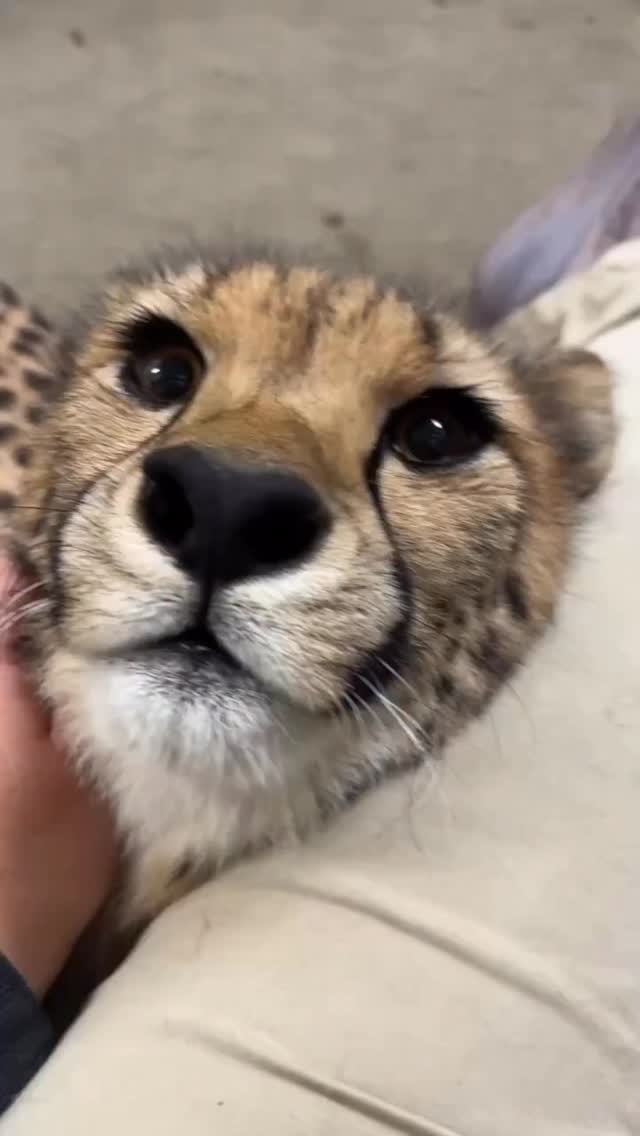
Cheetahs, revered for their astounding speed and grace, are a subject of fascination among wildlife enthusiasts. The story of Cheetah cub Lulu purring contentedly with her care team amid a rainy afternoon brings forth the profound relationship between animals and their caretakers. As the case of Lulu illustrates, some felines, particularly domesticated and their wild relatives, communicate effectively through vocalizations, like purring. While all cats can purr, they engage in distinct behaviors, which reflects their natural history.
Understanding Cheetah behavior requires examining their social structures. Cheetahs exhibit a unique combination of solitary and social behaviors. While adult males often form small groups known as coalitions, females tend to be more solitary, especially when raising cubs like Lulu. The interaction observed between Lulu and her care team highlights the importance of communication in establishing trust and comfort. Observing Cheetah cubs engage with humans can provide insights into their emotional and social development. The joy exhibited by Lulu as she plays and interacts showcases the positive impacts of human involvement in animal care.
The significance of human-animal interactions is profound. Care teams often engage in activities that stimulate animals mentally and physically. For Lulu, rainy afternoons become a special time for enrichment; her caregivers can provide toys, innovative games, and training sessions. These interactions not only foster a bond but also contribute to the cub’s cognitive growth. Play is essential for young animals as it encourages problem-solving, enhances physical abilities, and reduces stress.
At the heart of Cheetah adaptations is their impressive physical build. Cheetahs possess unique features, such as a lightweight frame, long legs, and an aerodynamic body that allow for incredible bursts of speed. Their specialized respiratory system enhances oxygen intake, allowing them to sprint up to 75 miles per hour in short bursts. These physical traits are complemented by their distinctive markings, including the characteristic tear stripes on their faces, which serve to reduce glare from the sun and improve their focus during chases. Understanding these adaptations provides insight into their hunting strategies and survival mechanisms in the wild.
Cheetahs also rely on their keen eyesight and exceptional hearing for hunting. They are diurnal hunters, primarily active during the day, which contrasts with many other big cat species that tend to hunt at night. This behavioral adaptation is crucial for locating prey in their open savannah habitats. During interactions with their care team, Cheetah cubs like Lulu exhibit playful curiosity, which is indicative of their learning process. Engaging in activities that replicate natural behaviors is essential in captive environments.
Furthermore, the role of zoos in wildlife conservation cannot be overstated. Modern zoos prioritize education and conservation, seeking to promote awareness about endangered species like the Cheetah. Captive breeding programs help bolster wild populations, which face numerous threats such as habitat loss and poaching. By providing a safe environment for Cheetah cubs, zoos can serve as vital reservoirs for genetic diversity. Educational programs offer visitors an opportunity to learn about the challenges Cheetahs face in their natural habitats, fostering an understanding and appreciation for wildlife conservation efforts globally.
While we admire the Cheetah’s impressive capabilities, it is essential to recognize the distinctions between wild felines and domestic cats. Domesticated cats also have fascinating communication skills, but they primarily rely on vocalizations, body language, and scent marking to convey feelings. Unlike their wild counterparts, domestic cats have evolved to live in closer association with humans. They often exhibit behaviors that suggest an emotional attachment to their caregivers. In contrast, Cheetahs are still closely aligned with their natural instincts, balancing playfulness with the traits necessary for survival.
Cheetah cubs like Lulu remind us of the importance of environmental stewardship. By nurturing young animals in a controlled environment, we ensure there is a future generation ready for conservation efforts once they reach adulthood. Implementing enrichment programs fosters a deep connection between animals and their caretakers. This bond enhances the lives of both species, preparing cubs like Lulu for potential release into the wild or providing essential knowledge to understand their behavior and needs in captivity.
Furthermore, the technical aspects of animal husbandry are critical in these interactions. Care teams utilize behavioral science principles to create effective enrichment strategies tailored to the needs of individual animals. It’s not a one-size-fits-all approach; each animal has its set of preferences and personality traits that inform how care teams engage with them. By observing Lulu, care teams gather data about her responses and preferences, using this information to refine their approach continually.
In the wild, Cheetah mothers, often facing challenging conditions, must teach their cubs essential survival skills while ensuring their safety. This dynamic contrasts sharply with the structured care provided in zoos, where human involvement can safeguard against many external threats. The playful atmosphere created by rainy afternoons, as Lulu hangs out with her caregivers, embodies the positive aspects of this human-animal relationship. These settings foster stress reduction, stimulating mental engagement, which ultimately benefits the Cheetah’s emotional well-being.
As we continue to engage in discussions about wildlife conservation, we should consider how our fascination with Cheetah cubs can translate into action. Educational outreach programs inspired by cubs like Lulu emphasize the interconnectedness of all species. They underline the necessity of preserving natural habitats, advocating for policy changes, and supporting organizations that protect endangered species. Cheetahs, like many wild animals, are indicators of the health of their ecosystems. Protecting them extends to preserving the intricate web of life they are part of.
Research demonstrates that connecting with animals can create empathy and motivate positive behavioral changes in humans. Institutions that offer up-close encounters with animals, such as Cheetah cubs like Lulu, often witness increased visitor stewardship for conservation efforts. When people understand the plight of these remarkable animals, they are more likely to support initiatives aimed at their preservation. Every interaction—whether a gentle purr from a Cheetah cub or an enlightening discussion about their species—contributes to a larger movement focused on stewardship and respect for wildlife.
In creating lasting solutions for Cheetah conservation, we must focus on habitat preservation, anti-poaching efforts, and community engagement. Often, local communities create the first lines of defense against habitat loss and poaching. Sustainable practices aligned with conservation efforts help protect natural habitats while supporting human populations dependent on the same land. Educating these communities about the economic benefits of conservation can lead to cooperative efforts that benefit both humans and wildlife.
As Lulu’s playful nature and delightful presence show, engaging with wildlife is a pathway to building connections between species. The joy exhibited by Cheetah cubs touches all who experience it, offering deep perspectives on the significance of conservation. These positive engagements lead to broader discussions about ecological balance, preservation of habitats, and the role of each of us as stewards of the environment.
At the same time, recognizing the differences between domesticated and wild felines creates a fuller understanding of their behavior. While domestic cats have adapted to human society and exhibit more social behaviors toward humans, wild Cheetahs retain many of their natural instincts. This distinction comes with profound implications for how we approach their conservation and care.
Overall, the playful moments spent with Cheetah cub Lulu during rainy afternoons highlight the crucial connections among species. They reflect the significant responsibilities that zoos and wildlife sanctuaries take on as they become home for many animals needing Lifelong care, promoting education, and fostering conservation. These facilities have a vital role in bridging the gap between wild and human worlds, cultivating a deep appreciation for the beauty and intricacies of wildlife.
Each simple experience, whether hearing sweet purrs or witnessing playful antics, reinforces the idea that conservation efforts are built upon relationships, empathy, and a commitment to the well-being of all creatures we share this planet with.
*****
Source Description
Cheetah cub Lulu was happy to hang out with her care team on a rainy afternoon! Sound up for sweet purrs! 😻 Cats can either purr or roar. They can’t do both!
