
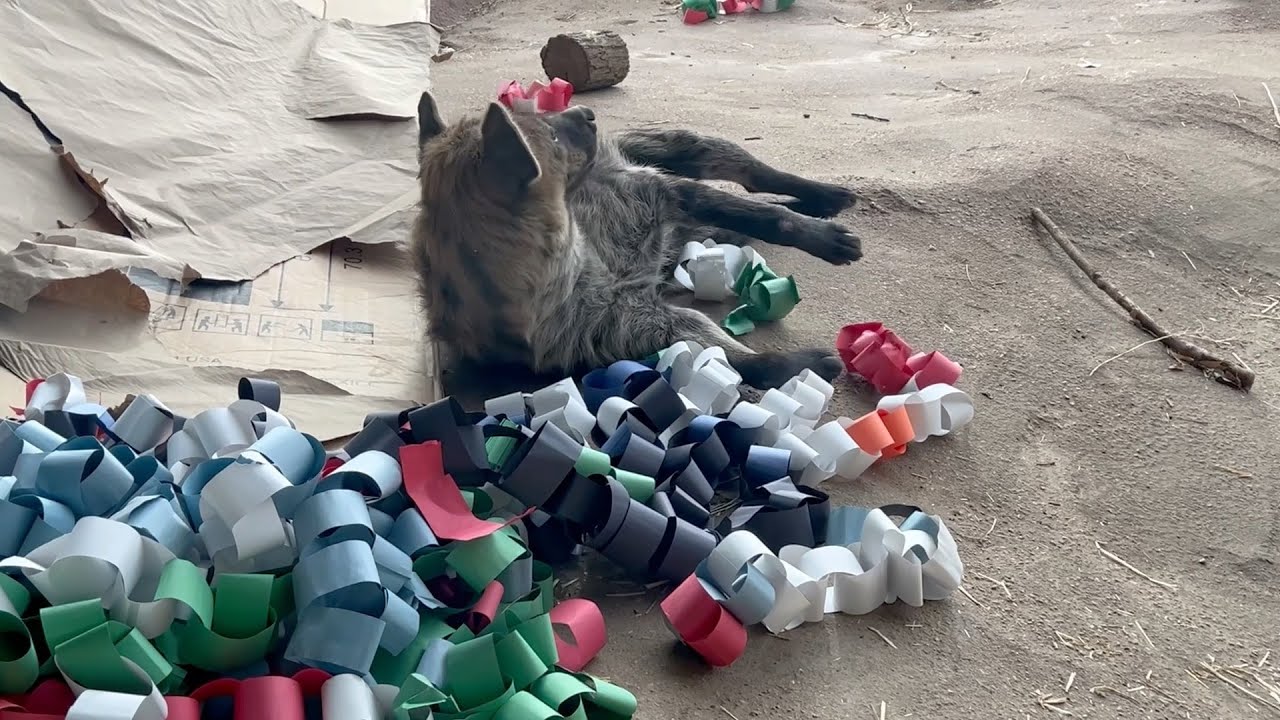
- The significance of hyena enrichment in captivity and its impact on animal welfare
- Scientific principles and methods used in developing effective enrichment programs
- Conservation efforts linked to hyena enrichment and public education in zoos
- Insights into the behavioral ecology of hyenas and their species-specific needs
- The role of zoos in promoting understanding and appreciation of hyenas through enrichment activities
Hyena enrichment is a crucial component of modern zoo management, designed to foster the well-being of these intelligent animals. Understanding and addressing the behavioral needs of hyenas in captive environments can significantly enhance their quality of life. This article explores various aspects of hyena enrichment, drawing connections to broader conservation efforts and educational initiatives.
Hyenas exhibit complex social structures and behaviors that necessitate carefully devised enrichment strategies. By introducing stimuli that mimic challenges found in natural habitats, zookeepers aim to engage hyenas physically and mentally. This process not only prevents boredom and associated stress but also encourages natural behaviors, contributing to their overall health.
Creating effective enrichment programs for hyenas requires in-depth understanding of their behavior and ecological roles. Enrichment may include food-based puzzles, scent trails, and objects to manipulate, all designed to replicate the mental and physical challenges they face in the wild. Studies indicate that such activities improve cognitive function and reduce stereotypic behaviors, emphasizing the vital role of enrichment in captive animal management.
Educational initiatives are deeply intertwined with enrichment activities. By observing hyenas as they interact with enrichment items, zoo visitors can gain insight into the animals’ natural behaviors and ecological significance. This educational angle not only enhances visitor experience but also fosters a deeper appreciation and understanding of hyenas, supporting broader conservation messages.
Hyenas are often misunderstood and undervalued in popular culture, but their ecological role as scavengers is critical. Through enrichment, zoos provide an opportunity to demystify these animals and highlight their contributions to ecosystem balance. Visitors learn about their natural habitats, social structures, and the conservation challenges they face, inspiring a commitment to wildlife conservation.
Zoos play a pivotal role in wildlife conservation, acting as centers for public education and research. Hyena enrichment programs are part of wider conservation strategies, contributing to the knowledge base necessary for preserving biodiversity. By maintaining healthy, active animals, zoos can participate in breeding programs and scientific studies that further conservation goals.
In summary, hyena enrichment is an essential aspect of zoo management and wildlife conservation. The integration of educational programs allows visitors to connect with these remarkable animals and recognize their value within broader ecological contexts. Through well-planned enrichment activities, zoos help ensure the health and well-being of hyenas in captivity, while simultaneously advancing conservation and public awareness objectives.
*****
Source Description
Happy Holidays from all of us at DZCA! 🎄
Tavi and Kelele, our spotted hyenas, got into the festive spirit with a special gingerbread house filled with paper chains, goat’s milk ice treats in the shape of milk and cookies, plus a heartfelt letter to Santa. Here’s what it said:
Dear Santa,
We have been very good hyenas this year. We shared our toys and have been nice all year. Please bring us bubble baths, carcasses, treats, and new toys. We hope you enjoy the milk and cookies we left you!
Love,
Tavi and Kelele
We hope you enjoy a wonderful holiday season with friends and family. Please note: the Zoo will be closed on Christmas Day. 🎁✨
