
- Importance of Seasonal Enrichment in Zoo Animals
- The Role of Water-Based Activities for Animal Welfare
- Zoological Strategies for Environmental Simulation
- Chewy’s Pool Time: A Case Study in Effective Animal Enrichment
- Conservation and Educational Implications of Enrichment Programs
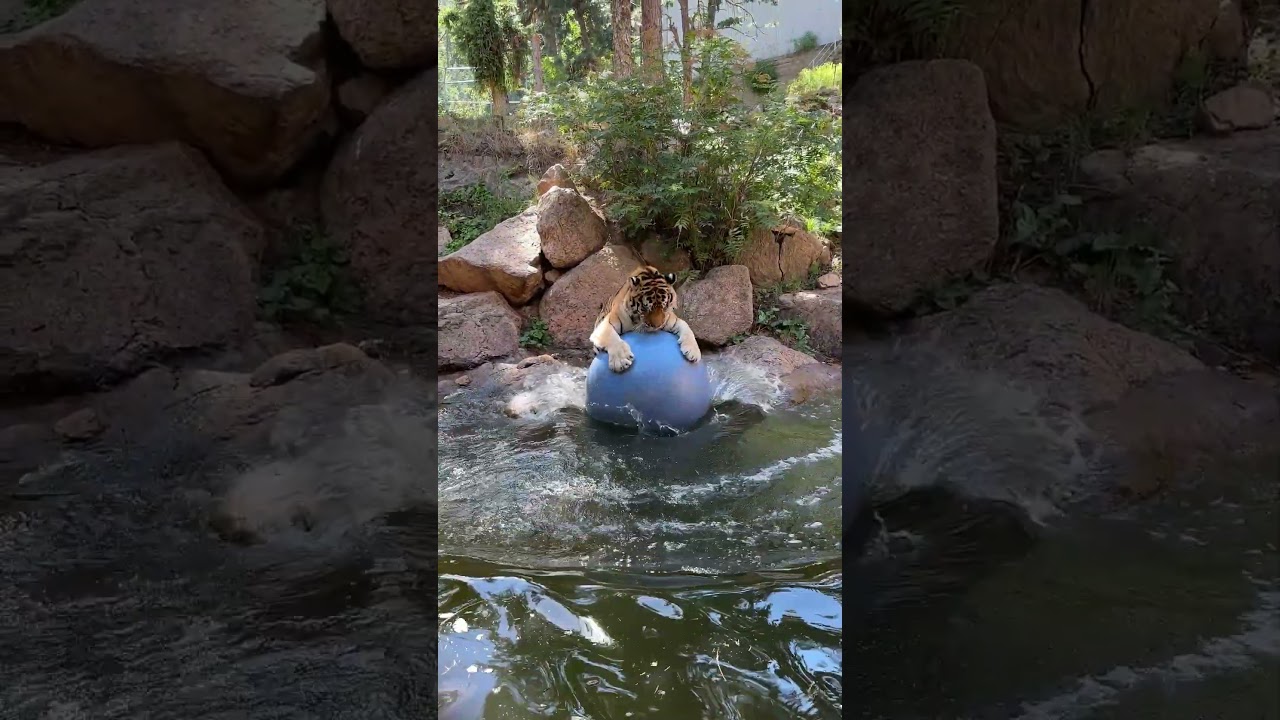
Seasonal changes are essential considerations in the management of animal welfare in zoological settings. As fall approaches, many animals experience changes in their environment and behavior. Although school may have started, and fall is around the corner, Chewy the animal is all about pool time, highlighting how zoos adapt to these transitions.
One key aspect is seasonal enrichment. Providing animals with environmental changes and diverse activities simulates their natural habitats. This stimulation is crucial, promoting physical and mental health. Enrichment can be anything from new objects to climb on, to pools, or changes in the animals’ habitats to mimic seasonal cycles.
Water-based activities are particularly beneficial. Many animals, like Chewy, thrive in water-rich environments. Pools can enhance animal welfare, offering physical exercise and mental stimulation. Swimming allows animals to engage in natural behaviors, reducing stress and preventing boredom.
Zoological strategies for environmental simulation require creativity and scientific knowledge. Replicating natural environments involves understanding specific species’ needs. This includes their dietary, social, and environmental preferences. Backgrounds, sounds, and textures can all play roles in making an enclosure feel more natural to its inhabitants.
Chewy’s experience with pool time is an excellent case study. Chewy, who spends time in a specially designed pool, benefits immensely from this enrichment activity. The water provides not just physical exercise but also psychological stimulation. The case illustrates the positive impact of tailored enrichment programs on animal well-being.
Such enrichment activities hold significant conservation and educational implications. By maintaining healthy, active animals, zoos contribute to broader conservation goals. Additionally, these programs serve educational purposes, helping visitors understand the importance of animal welfare and conservation.
In sum, zoos play a pivotal role in wildlife conservation and education. Through thoughtful enrichment programs like pool time, they enhance the well-being of animals like Chewy, fostering both animal welfare and public education.
*****
Source Description
