
- Understanding the daily habits and behaviors of wild felines
- Importance of claw maintenance for feline health
- The role of play in animal behavior and enrichment
- Insights into wildlife conservation strategies for felines
- The significance of habitat preservation for wild cats
The adage “Eat. Sleep. Sharpen Claws. Repeat.” aptly summarizes the daily activities of felines, particularly larger wild cats like lions, tigers, and leopards. Understanding these behaviors is crucial for anyone interested in zoology, zoo management, and wildlife conservation. This article will explore the distinct daily habits of these animals, the importance of claw care, the role of play, conservation initiatives, and habitat preservation.
Wild cats possess distinct patterns of activity. Feeding is usually at the forefront. Many felines are obligate carnivores, meaning their diet consists primarily of meat. They are skilled hunters, employing a variety of techniques to secure food. This dietary necessity influences their hunting patterns, typically characterized by periods of high activity interspersed with rest. For example, lions are known to hunt in the cooler hours of the day, while tigers may take advantage of their solitary nature to stalk prey meticulously.
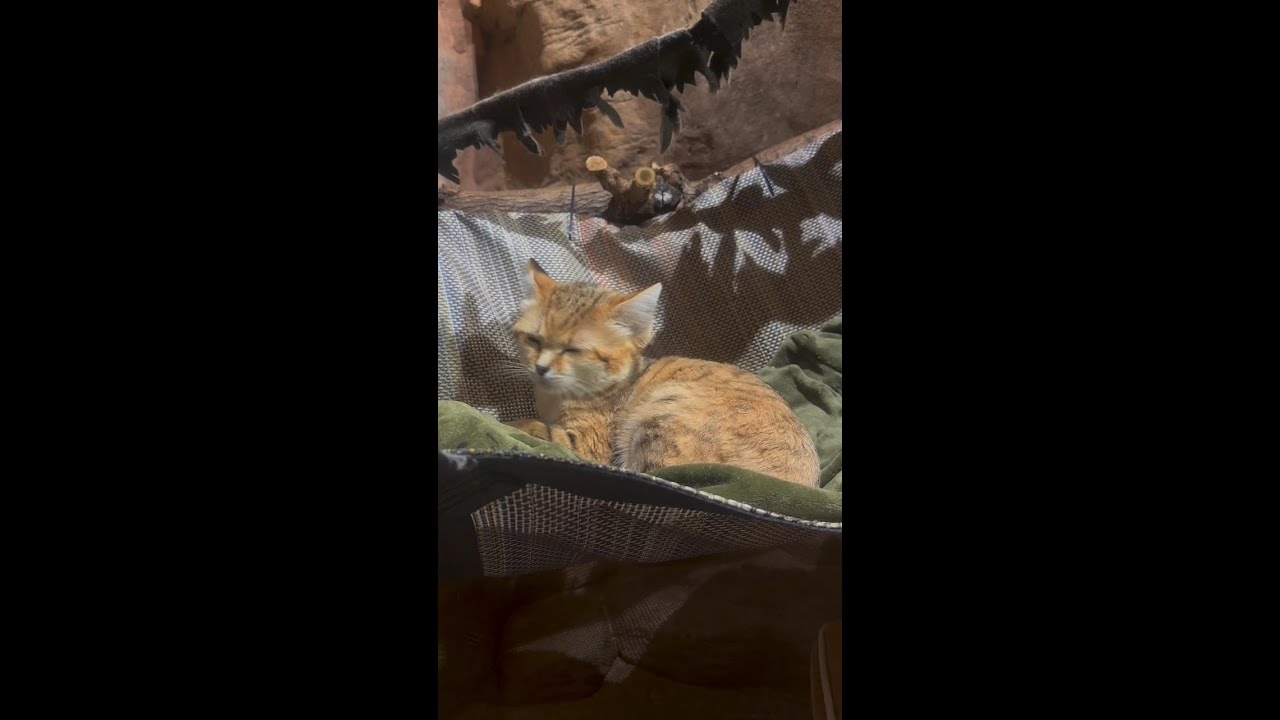
Following feeding, sleep plays a vital role in the daily rhythm of these animals. Cats can easily spend 12-16 hours a day sleeping or resting to conserve energy. This behavior is not merely a reflection of laziness; it is biologically driven. Felines need ample rest to recover energy for hunting and maintaining overall health. The patterns of sleep and wakefulness can vary between species. Generally, larger cats, such as tigers, have more prolonged periods of inactivity compared to smaller species like servals, which may be more active during twilight hours.
The act of sharpening claws is equally essential. This behavior supports both hunting efficiency and physical health. Felines utilize their claws for climbing, catching prey, and self-defense. Claw maintenance can take the form of scratching on trees or other surfaces, which helps to keep the claws sharp and remove the outer sheath. In captivity, providing appropriate scratching surfaces in enclosures is necessary for the well-being of zoo-housed felines.
Play is another critical aspect of feline behavior. It serves multiple purposes, particularly for younger animals. Engaging in play allows kittens to develop essential hunting skills, providing them with practice in stalking and pouncing. Group dynamics are often observed in play sessions among young siblings. In zoo settings, enrichment activities that mimic natural play contribute to the physical and mental health of felines, preventing boredom and promoting well-being.
Wildlife conservation strategies for felines are vital to their survival. Many species are threatened due to habitat loss, poaching, and human-wildlife conflict. Conservation efforts are often multifaceted, including habitat restoration, anti-poaching initiatives, and community education. For example, in Africa, lion populations have significantly decreased, prompting conservationists to establish protected areas and promote coexistence between lions and local communities.
Habitat preservation stands as a linchpin for conserving wild cat populations. The loss of natural habitats due to agriculture, urban development, and climate changes places immense pressure on these animals. Conservation organizations are actively working to safeguard habitats through the establishment of wildlife reserves, promoting sustainable land-use practices, and restoring degraded ecosystems. Each of these practices serves to secure food sources and safe living environments for feral felines.
In captive environments, zoo management plays a crucial role in creating as natural a habitat as possible. This practice involves carefully designing enclosures that mimic the wild’s complexity, including vegetation, climbing structures, and water sources. These elements support the natural behaviors of felines, thus reducing the stress associated with captivity. Proper diet, veterinary care, and social structure are also essential components of a successful zoo management strategy focused on feline species.
The phrase “Eat. Sleep. Sharpen Claws. Repeat.” encapsulates the essence of feline life. Understanding this daily cycle sheds light on the biological and ecological aspects that contribute to their survival. Effective management and conservation strategies are crucial for maintaining healthy populations. Feline species are remarkable, but they face countless challenges in the wild and in captivity.
Research has revealed that social behavior among felines differs significantly among various species. For example, lions are social animals that live in prides, creating complex social hierarchies. They exhibit cooperative behaviors when hunting. In contrast, tigers tend to be solitary creatures, marking large territories and relying on stealth and power for hunting. These behavioral variations highlight the adaptability of felines to their environments.
The health of species like lions and tigers is directly influenced by their capacity to fulfill inherent behaviors such as hunting, resting, and maintaining claws. Zoos and conservation programs prioritize health monitoring and preventive care, enabling the promotion of physically active and engaged felines. Claw maintenance and grooming behavior are significant, often emphasizing activities that replicate their natural behaviors.
Understanding these aspects is vital for effective wildlife initiatives aimed at preservation. In-depth knowledge about a species’ natural history influences strategies for conservation. The acknowledgment of natural behaviors lays the groundwork for successful breeding programs, rehabilitation, and release into the wild.
Animal behaviorists stress the relationship between environmental enrichment and mental well-being. In captive settings, enriching an animal’s habitat with elements that promote natural behaviors can mitigate stress and health challenges. Zookeepers employ diverse enrichment activities such as puzzle feeders, climbing structures, and the introduction of novel items to ignite curiosity. These strategies stimulate physical and cognitive engagement, which fosters overall welfare.
Another critical area for consideration is how climate change impacts feline conservation. Altered weather patterns, rising temperatures, and shifting vegetation zones threaten the habitats where wild cats live. Conservationists are focusing on adaptive strategies to mitigate these changes. This adaptation may involve relocating species to more suitable environments or employing genetic studies to bolster population resilience.
Community involvement also plays a significant role in feline conservation. Educating local populations about the significance of wildlife and promoting coexistence is essential for diminishing conflict between humans and wild cats. Engagement can cultivate a sense of stewardship among local communities, empowering them to become active participants in conservation efforts. Community-based programs demonstrating successful coexistence with wildlife can set out templates for effectiveness.
In this context, research continues to contribute to feline conservation strategies. Data collection, population assessments, and genetic studies inform practices that guide how to best approach preservation. These research efforts involve collaboration between academic institutions, conservation organizations, and government entities. Each one brings valuable insights into the complexities of conserving species in a rapidly changing world.
Collaborative efforts enhance the opportunity for more effective wildlife management. By sharing knowledge and resources, organizations can develop comprehensive strategies that address the challenges faced by wild cats. The synergy between different stakeholders can lead to innovative solutions that promote sustainability and harmony between humans and wildlife.
The theme of “Eat. Sleep. Sharpen Claws. Repeat.” not only encapsulates the life of felines but serves as an effective reminder of the intricate processes that define their existence. Each instinctive behavior plays a role in ensuring their survival and health. From the significance of claw sharpening to the complexities involved in conservation practices, this adage underscores the importance of understanding animal behavior to engage in effective wildlife stewardship.
Whether it is through preserving their natural habitats, promoting captive care practices, or educating communities, the survival of wild felines hinges on a commitment to respecting their natural behaviors. The ongoing efforts in zoology, zoo management, and wildlife conservation contribute not only to the well-being of these magnificent creatures but also help foster a broader appreciation for the biodiversity of our planet.
Recognizing the daily routines encapsulated in “Eat. Sleep. Sharpen Claws. Repeat.” is foundational for anyone seeking to understand or participate in the essential work of safeguarding our wild cats.
*****
Source Description
Sand cats are native to the dry deserts in the African Sahara. They often sleep in underground dens during the day to avoid the intense heat. This helps them conserve their energy for hunting at night! See if you can spot Solis snoozing on your next trip to Desert’s Edge!
