
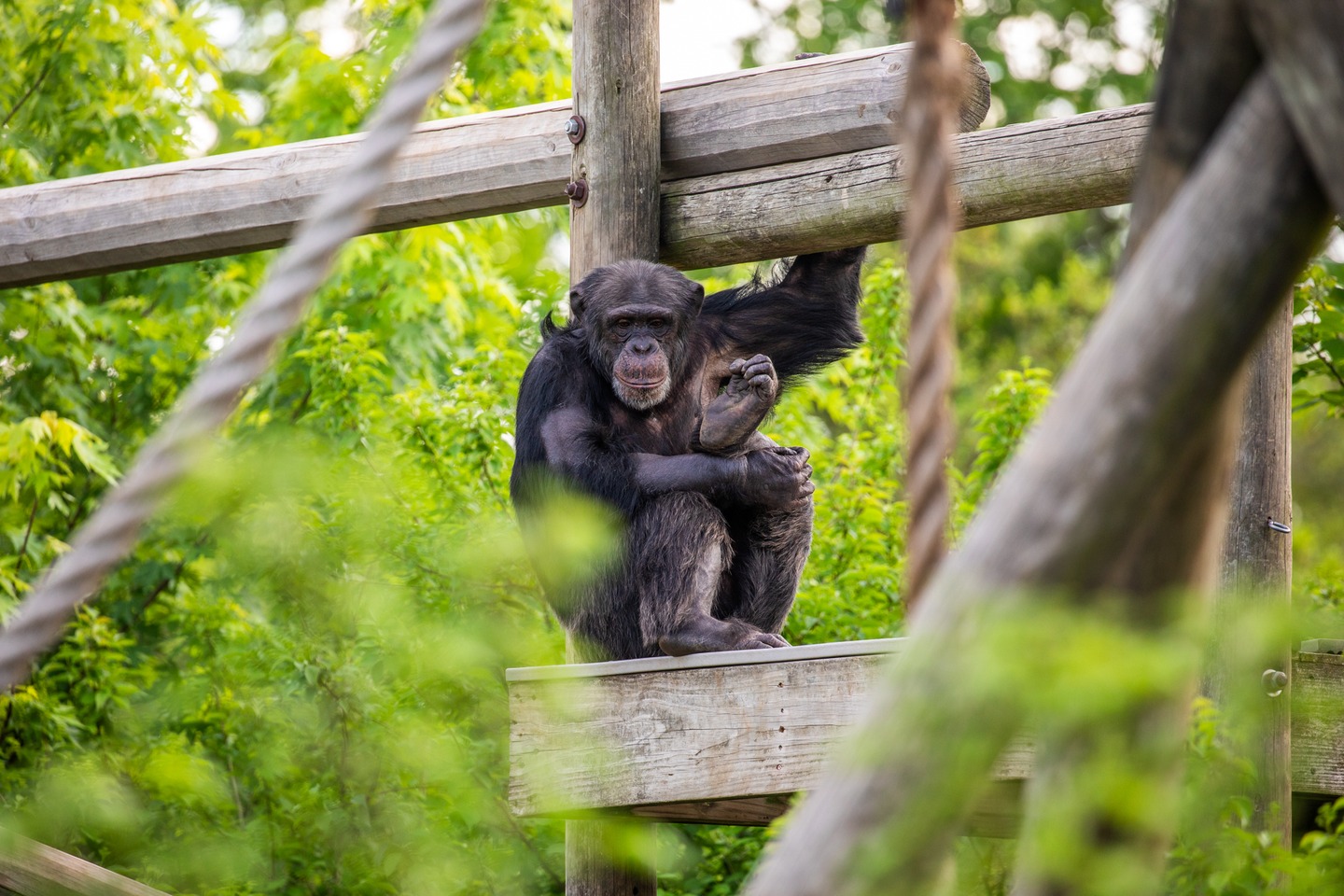
- Understanding the transformation of chimpanzees’ habitats in summer months.
- The significance of naturalistic spaces for chimpanzee well-being.
- Behavioral enrichment and social interactions among chimpanzees.
- The role of zoos in wildlife conservation and species preservation.
- Challenges and strategies in zoo management for maintaining habitats.
In the summer months, the outdoor habitat of chimpanzees turns into a vibrant, green oasis. This transformation is not just a change in scenery but a crucial factor in the well-being and health of these intelligent primates. As temperatures rise, the habitat’s flora thrives, offering a lush environment that resembles their natural ecosystems.
The dense greenery provides numerous opportunities for the chimpanzees. Trees and climbing structures become vital components where the primates can exercise and explore. Elevated platforms allow them to bask in sunlight, an activity that benefits their physical and mental health. These structures mimic the arboreal lifestyle of wild chimpanzees, promoting natural behaviors that are essential for their well-being.
Shade is equally important. The habitat’s design incorporates natural elements like trees and tunnels, creating cool spaces for the chimpanzees to retreat when the sun is at its peak. In this way, the habitat offers choices, allowing individuals to regulate their exposure to sunlight and heat. This balance is critical for their health, as too much heat can be detrimental.
Behavioral enrichment is a core aspect of zoo management and the keepers play a pivotal role. In the summer, the vibrant habitat becomes a playground where chimpanzees engage in various activities. Foraging is a common behavior, stimulating their cognitive abilities and encouraging natural instincts. By hiding food in different spots, keepers create a dynamic environment that challenges the troop’s problem-solving skills.
Grooming is another essential behavior observed during visits. It strengthens social bonds and reduces stress among troop members. Observers can witness this complex social interaction, offering insights into the intricate relationships within the group. These behaviors highlight the importance of a well-designed habitat in promoting social health.
Zoos are instrumental in wildlife conservation, providing a sanctuary for endangered species. The chimpanzee habitat serves as a model for conservation efforts, emphasizing the importance of preserving natural habits. By replicating these environments, zoos contribute to the survival of species and educate the public about conservation challenges.
Creating and maintaining such habitats comes with challenges. Zoo management must consider factors like climate, space, and the needs of individual species. The transformation of the habitat each summer requires careful planning and collaboration among various teams. From horticulturists to animal care specialists, each member plays a role in sustaining the green landscape.
Strategies for habitat maintenance include climate control measures and adaptive plant management. Selecting flora that thrives in summer ensures the area remains lush. Additionally, monitoring the condition of climbing structures and other facilities is crucial. Regular checks guarantee that the habitat continues to meet the physical and psychological needs of the chimpanzees.
Educational programs play a significant role in engaging the public. By showcasing the chimpanzees’ dynamic habitat, zoos inspire visitors to appreciate and engage in conservation efforts. These interactions foster a connection between the public and wildlife, promoting a collective responsibility for preserving biodiversity.
The chimpanzees’ summer habitat exemplifies the intricate relationship between environmental management and animal welfare. As the outdoor space transforms into a verdant sanctuary, it offers an authentic glimpse into the world of these remarkable primates. By understanding and supporting such initiatives, we contribute to a sustainable future for wildlife conservation and species preservation.
*****
Source Description
In the summer months, our chimpanzees’ outdoor habitat turns into a lush, green space where our troop members love to spend their time. They can move around at their own pace, get up high on climbing structures to soak up the sun, or find shade under trees or their tunnel. This naturalistic space offers plenty of choice and enrichment for the troop! During your visit, you will often find our troop foraging, grooming and relaxing together. These are a few of the many ways our troop connects and stays active throughout the day! 🐵
