
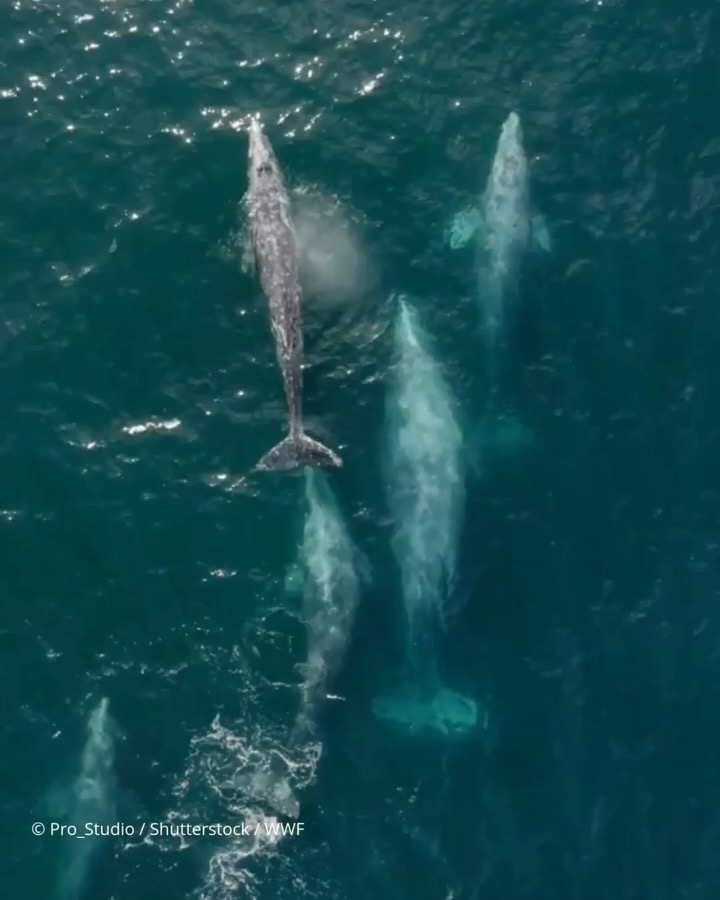
- Half of all great whale species remain endangered or vulnerable despite decades of conservation efforts.
- Whales rely on critical migratory routes known as blue corridors, which are essential for feeding, breeding, and nursery activities across oceans.
- These migration routes face numerous threats, including ship strikes, entanglement, ocean noise, plastic pollution, and climate change.
- Comprehensive action is vital at various levels to protect great whales and their environments.
- BlueCorridors.org is a pioneering platform that provides visual data and solutions to support whale conservation efforts.
Great whales are majestic creatures that have long captured human imagination. Yet, despite decades of conservation work, half of all great whale species are still classified as endangered or vulnerable. Their existence is precarious, threatened by a variety of man-made challenges. Understanding the plight of these ocean giants requires a look at the complex interplay of environmental factors, human activities, and the intricate web of life that whales inhabit.
Whales undertake remarkable migrations each year across blue corridors—defined routes through oceans that connect vital feeding, breeding, and nursery grounds. These corridors are crucial for maintaining the health and well-being of whale populations. Their journeys are guided by instinctual behaviors honed over millennia, creating a lifeline that sustains their survival. However, these pathways face increasing threats that jeopardize the whales’ ability to thrive.
The threats to whale migration routes are multifaceted. Ship strikes represent a significant danger, as collisions can injure or kill whales. The massive size and speed of modern vessels, along with busy global shipping lanes, create a perilous environment for whales navigating these routes. Entanglement in fishing gear is another risk that affects many whale species. This issue can lead to severe injuries or even death, particularly when whales become ensnared in nets or lines that impede their movement.
Ocean noise pollution is an often-overlooked threat to whale conservation. Whales rely heavily on sound for communication, navigation, and locating prey. The noise from shipping traffic, industrial activities, and military sonar can interfere with these essential acoustic functions. This disruption can lead to disorientation, increased stress, and impaired reproductive success.
Plastic pollution is another critical concern. Oceans are inundated with plastic waste, which poses a threat to marine life at all levels. Whales can ingest plastic debris, leading to digestive blockages and toxic exposure. The widespread presence of microplastics in ocean waters further compounds this problem, affecting the entire marine food web.
Climate change is perhaps the most pressing and complex challenge facing whale conservation. As ocean temperatures rise, ecosystems are altered, affecting prey availability and disrupting existing habitats. Acidification and sea ice loss also have profound impacts on marine species, including krill, a primary food source for many whales.
The need for decisive, coordinated action is clear. Conservation strategies must address the root causes of these threats and implement effective solutions. This requires collaboration at local, national, and international levels, engaging governments, NGOs, the scientific community, and the public. New technologies and strategies are integral to these efforts, providing innovative approaches to surveillance, protection, and education.
BlueCorridors.org is a groundbreaking initiative aimed at safeguarding whale migration routes. By visualizing 30 years of whale tracking data alongside identified threats and solutions, this platform offers an invaluable resource for understanding and addressing the challenges that whales face. It is a call to action for a global movement to protect these vital marine pathways.
Efforts to combat whale threats must be comprehensive. Reducing ship speeds in high-risk areas, utilizing whale detection systems, and enforcing safe navigation practices can mitigate the risk of ship strikes. Implementing sustainable fishing practices and developing gear that reduces bycatch can significantly lower entanglement incidents. Strengthening international agreements on ocean noise regulations and curbing plastic pollution through waste management reforms are critical components of a holistic conservation approach.
Climate change mitigation requires broad environmental stewardship, focusing on reducing greenhouse gas emissions, promoting renewable energy, and conserving marine habitats. Protecting the blue corridors calls for an integrated approach that respects the diverse needs of marine life while balancing human industry and economic interests.
These conservation efforts extend beyond saving the whales. Ensuring the health of whale populations contributes to the overall resilience and richness of ocean ecosystems. Whales play a pivotal role in nutrient cycling, helping to sustain fish stocks and reinforcing carbon sequestration processes, which are vital for climate regulation.
Preserving these giant guardians of the ocean is a mission that symbolizes wider commitments to environmental responsibility. By recognizing the importance of each species within the larger ecological framework, we safeguard a legacy for future generations. The BlueCorridors.org initiative exemplifies how technology and collaborative effort can inspire and enact positive environmental change.
Supporting whale conservation is not merely a call to action but an investment in the health of our planet. As awareness grows, so too does the potential for impactful conservation that respects both the majesty of the whales and the complexity of ocean ecosystems. Collectively, through informed action and innovative solutions, we can protect these pillars of marine life and chart a course towards a sustainable future.
*****
Source Description
Half of all great whale species are still endangered or vulnerable, despite decades of conservation.
And whales migrate thousands of kilometres each year along ancient routes known as blue corridors – lifelines connecting feeding, breeding, and nursery grounds across the oceans.
But these critical pathways are under threat from ship strikes, entanglement, ocean noise, plastic pollution, and the climate crisis.
We need action on all levels to keep these ocean giants safe.
The newly launched BlueCorridors.org is a groundbreaking digital platform that visualises 30 years of whale tracking data alongside threats and real-world solutions.
It’s not just a map. It’s a movement to safeguard whales – and the ocean they call home. Double tap to show your support for whales! 🐋
