
- Understanding the critical threats to turtles, including habitat destruction and pollution.
- Conservation efforts focused on habitat rehabilitation and protection.
- The significance of cleaning environments and removing hazardous debris to safeguard turtle populations.
- Rewilding initiatives and their role in ecosystem health and biodiversity.
- Global impact of turtle conservation activities in different countries.
Turtles, resilient and ancient creatures, face dire threats that jeopardize their survival. Across the globe, these animals contend with rapidly vanishing habitats, pollution, and other harmful impacts stemming from human activities. The alarming decline in turtle populations highlights the urgent need for effective conservation strategies.
One of the principal challenges faced by turtles is habitat destruction. As urbanization expands, natural habitats are converted into agricultural land, urban areas, and industrial zones. This transformation leads to fragmentation of the landscape, making it difficult for turtles to access nesting sites, food sources, and safe migration paths. Additionally, habitat degradation and alteration can lead to changes in water quality and availability, further straining these habitats.
Pollution presents another significant threat to turtles. Industrial and agricultural runoff introduces toxic substances into marine and freshwater environments. Plastics, which have become pervasive in ecosystems, are particularly hazardous. Turtles can ingest plastic debris, mistaking it for food, which can lead to internal injuries, malnutrition, or even death. Increased pollution levels also affect the quality of beaches, vital for nesting turtles, impacting hatchling survival rates.
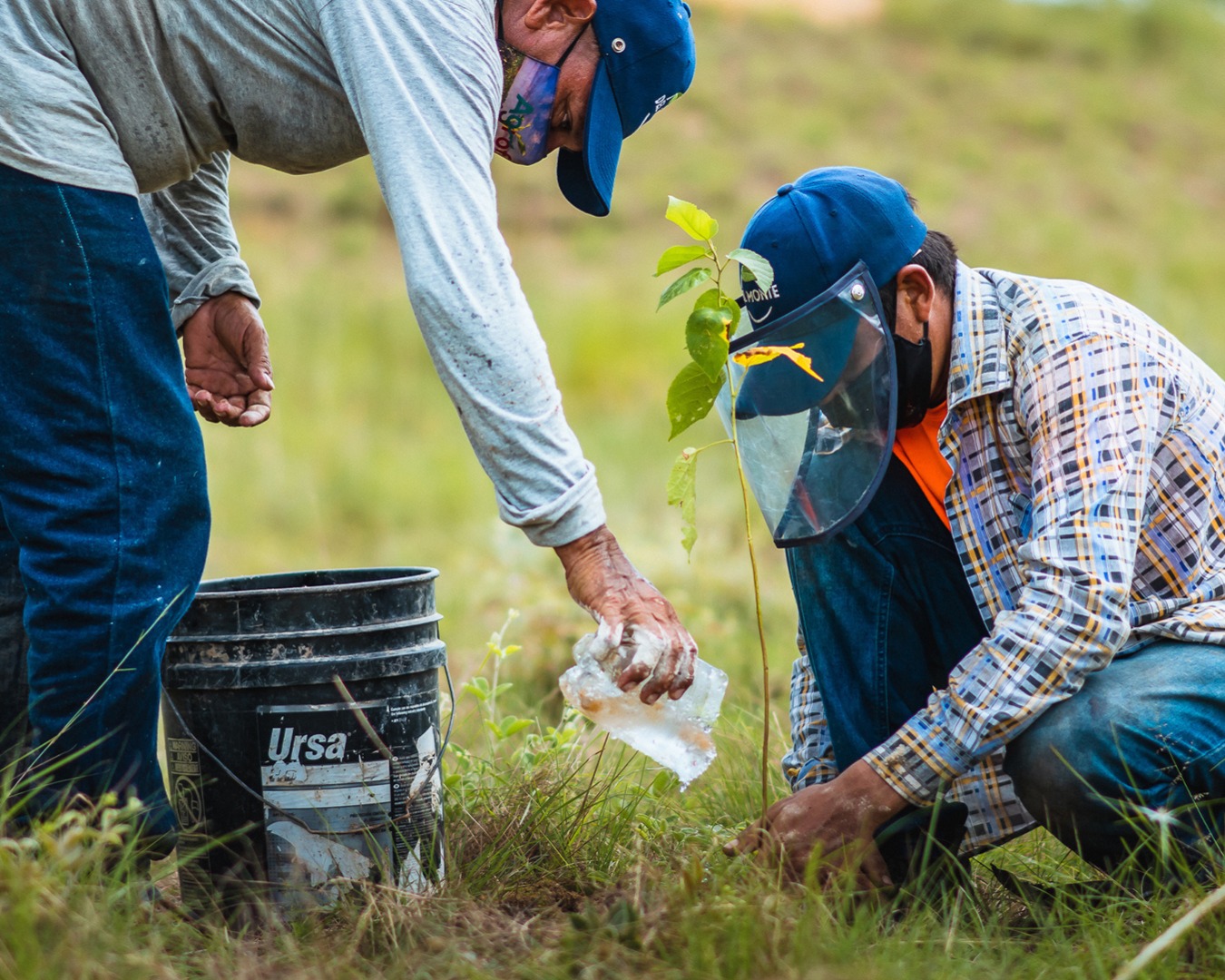
Efforts to rehabilitate and protect turtle habitats are crucial. Conservation organizations work tirelessly to restore ecosystems where turtles can thrive. A notable initiative involves collaborative management efforts in Colombia’s La Carranchina Natural Reserve. Here, restoration projects focus on preserving tree cover and water bodies, creating a hospitable environment for turtles and other wildlife. By enhancing these habitats, we not only help turtles but also promote biodiversity and ecosystem resilience.
Cleaning initiatives form an essential part of conservation work. Abandoned fishing gear, often referred to as "ghost gear," poses a lethal threat to marine life, including turtles. These devices can entangle turtles, leading to injury or death. The Turtle Conservation Society of Malaysia has made significant strides by removing over 1,200 pounds of this dangerous debris from the Kemaman River. Such actions are vital in maintaining healthy ecosystems and ensuring safe habitats for critically endangered species like the Southern River Terrapin.
Rewilding plays an indispensable role in turtle conservation efforts. This involves the reintroduction of turtles into their natural environments to replenish declining populations. Rewilding not only aids species recovery but also boosts ecosystem health. Turtles contribute to the ecology of their habitats, affecting plant growth and maintaining balanced food webs. Projects in countries such as Bangladesh, Belize, and Madagascar are instrumental in revitalizing these critical ecosystems, emphasizing the interconnectedness of all life forms.
The global impact of turtle conservation extends beyond individual regions. Ongoing efforts in various countries reflect a commitment to biodiversity and environmental stewardship. Whether in the dense forests of Colombia or the beaches of Malaysia, conservationists and biologists work together to innovate, share knowledge, and optimize strategies that protect turtles and their habitats.
Dahl’s Toad-headed Turtle, a critically endangered species, exemplifies the need for concerted conservation actions. Its dwindling numbers represent the broader risks facing many turtle species today. By understanding these challenges and supporting initiatives worldwide, we can contribute to a more sustainable future for turtles and other wildlife.
Collaborative efforts and public engagement are essential in preventing turtle extinction. Education and advocacy are powerful tools that can influence policies and encourage proactive measures to protect natural habitats. Each step taken to understand, preserve, and restore turtle environments plays a vital role in fostering a planet where both humans and wildlife can thrive.
Joining the battle to safeguard turtles not only benefits these creatures but also strengthens our environment. Whether you’re a biologist, supporter, or turtle enthusiast, your involvement is crucial. By standing together, we help create a world where turtles, and all species, are protected for generations to come.
*****
Source Description
As part of our commitment to preventing turtle extinctions, we often share the threats that turtles face, hoping to inform our audience about what these species are up against. You probably noticed that when we speak about these threats, we always list habitat destruction, degradation, alteration, and pollution as primary causes for turtle population declines. Protecting turtles also means protecting the planet, which we aim to do through our conservation work around the world.
Today is World Environment Day, so we’re sharing some ways that we contribute to bettering our environment:
🌱 We work to rehabilitate habitats where turtles can thrive by managing restoration efforts alongside our partner WCS Colombia @wcscolombia in the Key Biodiversity Area of La Carranchina Natural Reserve (pictured).
🌏 While patrolling and surveying areas during our conservation work, we also devote energy to cleaning the environments that the turtles live in. Last year, the Turtle Conservation Society of Malaysia @tcsmalaysia removed over 1,200 pounds (560 kg) of abandoned fishing gear from the Kemaman River, a key habitat for the critically endangered Southern River Terrapin.
🐢 Rewilding turtles to amplify their populations in the wild helps the health of critical ecosystems around the world. Our collaborative conservation work in Bangladesh, Belize, Colombia, Kenya, Madagascar, Malaysia, Mexico, the United States, and many other countries all contributes to restoring crucial habitats.
Thank you for joining us—whether you’re a follower, supporter, biologist, or turtle fan, you help us make our world a better place for turtles and for all species.
Pictured: Dahl’s Toad-headed Turtle (Mesoclemmys dahli)
IUCN Red List Status: Critically Endangered
📸: Gustavo Garcia (1), Daniël Nelson (2, 3)
@unep
