
- The biology and characteristics of Bruce’s green pigeon
- The significance of successful breeding programs in zoos
- The role of avian care in conservation efforts
- The importance of public education and engagement in wildlife conservation
- The future of Bruce’s green pigeon population and habitat preservation
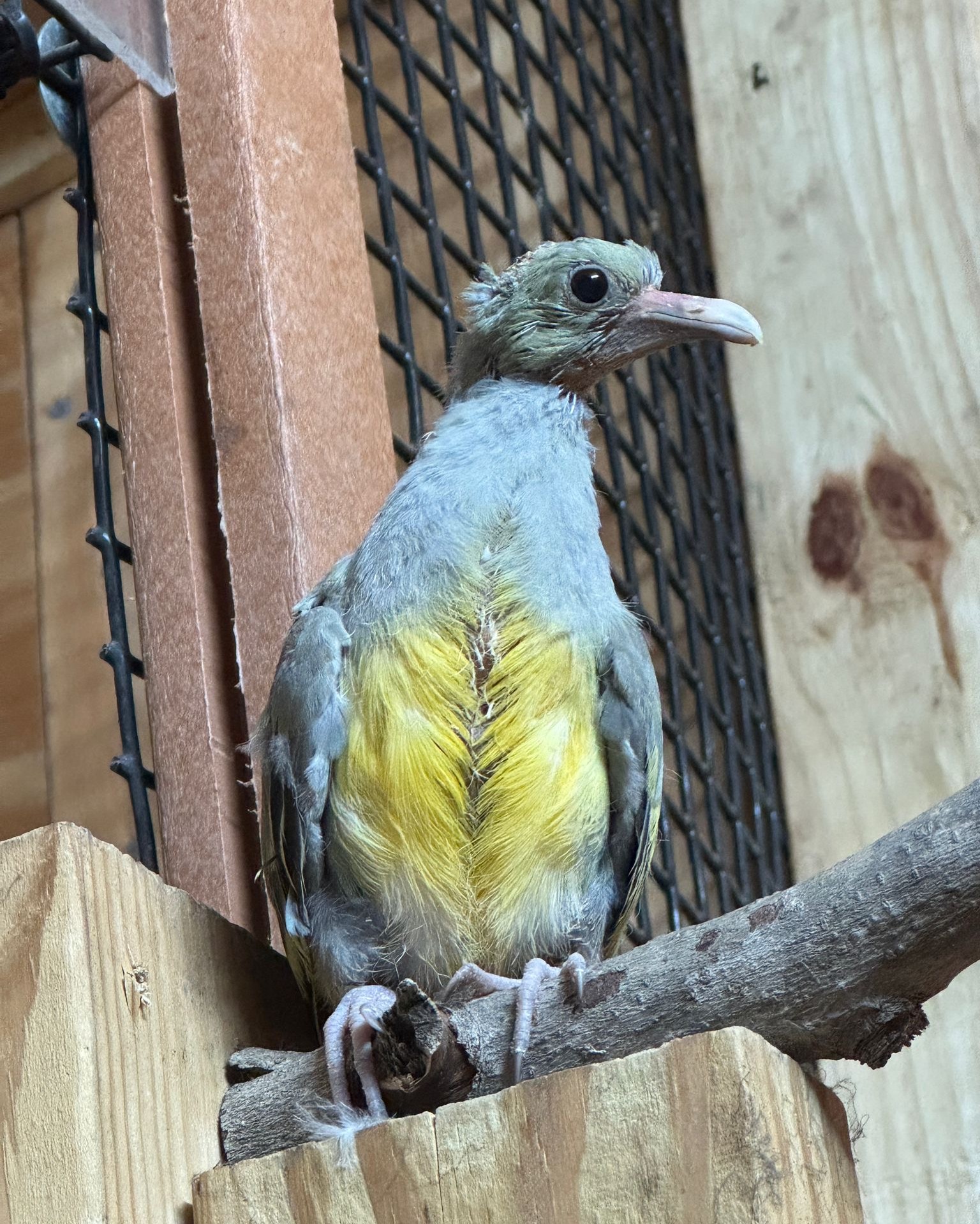
The recent hatch of a Bruce’s green pigeon at the Orkin’s Children’s Zoo represents a significant milestone for avian conservation and education efforts. This species, known scientifically as Treron buchanani, is a beautiful example of biodiversity native to the dense forests of Southeast Asia. With its bright green plumage and distinctive features, this pigeon plays a crucial role in its ecosystem. Understanding its biology can shed light on the intricacies of avian adaptation and survival.
Bruce’s green pigeons are medium-sized birds characterized by their rich green feathers, which blend seamlessly into the treetops of their forest habitats. They possess a generally rounded body, a short tail, and a slightly curved bill. These pigeons primarily feed on fruit, seeds, and flowers. Their diet helps in seed dispersal, indirectly supporting forest regeneration. Observing such ecological roles can enhance our appreciation for all species within an ecosystem.
Successful breeding programs in zoos are vital for the preservation of species like Bruce’s green pigeon. These programs involve carefully planned breeding strategies, genetic analysis, and environmental enrichment to create optimal conditions for animal mating and chick development. The Bird Team’s expertise and commitment to animal welfare are evident in the care provided to both the chick and its parents, ensuring that they have a nurturing environment.
The importance of fostering breeding success cannot be overstated. In the wild, Bruce’s green pigeons face various threats, including habitat loss and hunting. By reproducing these birds in a controlled environment, zoos contribute to a population that can potentially be reintroduced into their native habitats. Such strategies are not just about keeping species alive in captivity; they are designed to lay a foundation for future conservation efforts.
Avian care involves multiple facets, from nutritional management to socializing birds for stress reduction. The Bird Team at Orkin’s Children’s Zoo meticulously curates a diet that mimics their natural feeding habits, ensuring that the birds receive essential nutrients. Attention to behavioral health is equally important; by creating an environment that includes perches, hiding spots, and opportunities for social interaction, the team promotes positive behaviors. These factors are critical for the well-being of both adult pigeons and their chicks.
Public education and community engagement are at the forefront of successful wildlife conservation. The new aviary, located across from the carousel, is designed to offer visitors a close-up experience with the Bruce’s green pigeon. Educational signage and interactive exhibits surrounding the aviary enrich the visitor experience, allowing people, particularly children, to learn about the species, its habitat, and conservation challenges. Engaging narratives help visitors form emotional connections with the birds, fostering a sense of responsibility toward wildlife preservation.
In addition to educating visitors, the pioneering work of zoos like Orkin’s enhances collaborative efforts in conservation. These institutions partner with various organizations to bolster fieldwork and habitat restoration initiatives. Collaborations across borders focus on protecting key habitats where Bruce’s green pigeons thrive. Such partnerships can maximize resources and expertise, focusing on direct conservation strategies that can yield lasting results.
The future of Bruce’s green pigeon populations hinges on the ongoing efforts of conservationists, zoo professionals, and community support. As urban development continues to encroach upon natural habitats, maintaining genetic diversity becomes crucial. While the breeding success in zoos is a critical step, protecting their natural habitats is equally important. Conservationists are engaged in extensive research projects aimed at habitat restoration and protection, ensuring that sustainable environments can support wildlife in the long term.
To further the impact of these initiatives, it is crucial for society to understand the interconnectedness of ecosystems. The removal of a single species can disrupt food webs, and the absence of pollinators, like certain birds that feed on fruit, can result in diminished plant life. Therefore, the conservation of species like Bruce’s green pigeon is not just about saving one bird but rather about preserving entire ecosystems.
Visitors to the new aviary will witness the successful hatching and care of Bruce’s green pigeon chicks firsthand. Observing parental behaviors can provide insight into avian reproductive strategies. For instance, male Bruce’s green pigeons perform courtship displays to attract females. Understanding these behaviors enriches the comprehension of species interactions and the importance of mating rituals in an ecological context.
In conclusion, the hatching of the Bruce’s green pigeon at the Orkin’s Children’s Zoo exemplifies the intricate relationship between animal care, conservation, and public education. The collaborative efforts of the Bird Team, alongside active community engagement, enhance understanding and appreciation of these striking birds. By fostering knowledge and inspiring a commitment to conservation, both zoos and the general public can contribute significantly to safeguarding our planet’s precious biodiversity.
Ultimately, the successful breeding of species like the Bruce’s green pigeon highlights the hope that exists within the realm of wildlife conservation. With continued support for breeding programs and habitat preservation, future generations will have the opportunity to witness the richness of avian fauna in its natural glory. The work carried out by the Bird Team and other conservationists demonstrates a promising path to a more sustainable coexistence with wildlife.
*****
Source Description
Congrats to the Bird Team on the recent hatch of a Bruce’s green pigeon! This handsome boy can be seen in the brand-new aviary across from the carousel in the Orkin’s Children’s Zoo. Both chick and parents are doing well! (photo: Bird Team)
