
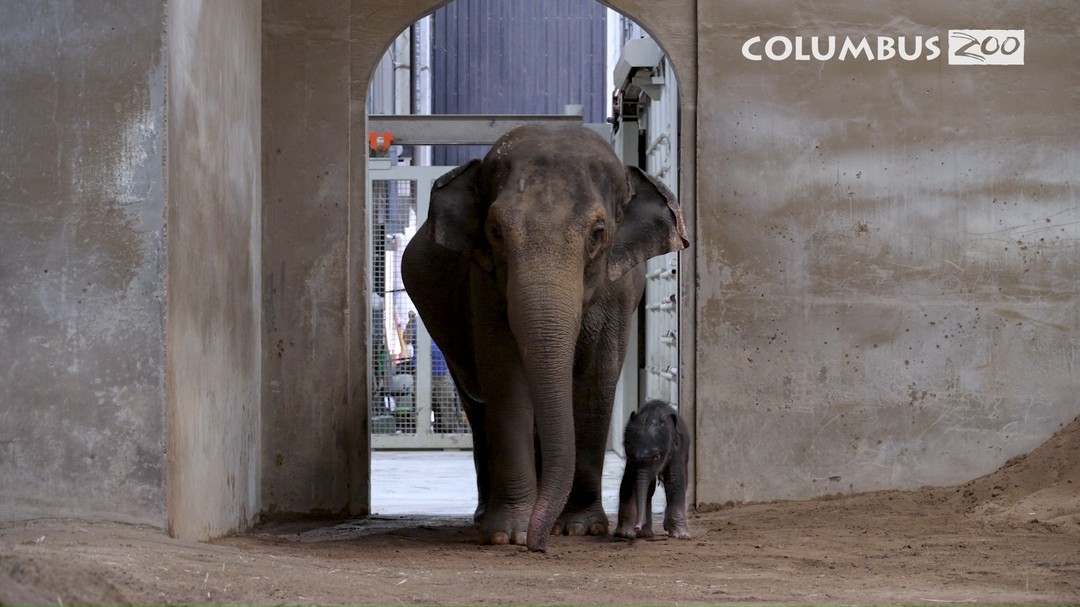
- The significance of the elephant calf’s first week at the zoo.
- Key developmental milestones in newborn elephants.
- The role of environmental enrichment in fostering healthy growth.
- The importance of maternal bonding and care in elephant herds.
- Conservation efforts and the relevance of breeding programs.
The arrival of a newborn elephant calf is a significant event in the zoological community, particularly when it occurs in a well-respected institution. Since she was born on Wednesday, July 23, 2025, this little one has attracted attention not only from zoo visitors but also from conservationists and animal enthusiasts worldwide. Her first week has been filled with fascinating observations, showcasing the beauty and complexity of elephant behavior.
Elephants are known for being long-lived and social creatures. The first week of life is a critical time for the calf’s physical and psychological development. During this period, she begins to learn essential survival skills and social behaviors that are key to her future well-being. The energy and curiosity displayed in her indoor habitat reflect the natural instincts inherent to her species. As she navigates her surroundings, she discovers how to walk, explore, and interact with her environment and caregivers, highlighting her adaptability and resilience.
One noteworthy aspect of her developmental journey is the rate at which she grows. Elephant calves typically gain between one to two pounds each day in the first few weeks. This rapid growth not only reflects the calf’s health but also showcases the dietary needs of young elephants. Initially, her nutrition comes primarily from her mother’s milk, rich in nutrients essential for her early development. As the weeks progress, the introduction of solid foods will be vital to fulfilling her expanding dietary needs.
Environmental enrichment plays a crucial role in the growth and development of the calf. In zoos, enrichment activities are designed to simulate natural behaviors and encourage exploration, problem-solving, and social interaction. Examples include various types of toys, natural elements, and even food puzzles tailored to stimulate the calf’s senses. This approach not only entertains her but also helps develop her cognitive skills. The enriching environment assists in preventing boredom and stress, which can result in harmful behavioral issues in captive elephants.
The role of maternal bonding during the calf’s first week cannot be overstated. Elephant mothers provide not only physical nourishment through their milk but also emotional support. The close physical contact between mother and calf serves to reinforce their bond, which is vital for the calf’s emotional and psychological growth. Milk offers essential antibodies that boost the calf’s immune system, helping her fend off infections as she grows. The mother’s nurturing presence encourages the calf to explore her surroundings securely, knowing she has a safe bond to rely on.
A curious calf often engages in imitation of adult elephants. By watching older elephant family members, she learns essential social skills and behaviors that will serve her well throughout her life. This behavior is not only crucial for gaining practical skills but also integral to learning social dynamics within the herd. The interactions among the adult elephants and the calf contribute to her socialization, rendering her equipped to navigate the complexities of elephant communication and social agreements laid out in their society.
The first week of life in elephants is also characterized by numerous challenges, especially concerning their health and safety. Zoos employ teams of veterinary staff to monitor the calf’s well-being continuously during her vulnerable infant stage. This surveillance includes regular check-ups, observation for any signs of illness, and ensuring she is drinking sufficient milk. Additionally, the context of her living environment – temperature, humidity, and space – plays a significant role in her comfort.
Breeding programs play a pivotal role in conserving elephant populations globally. With rising threats like habitat loss and poaching, institutions dedicated to preservation are fundamental. This particular calf enhances genetic diversity while supporting public awareness and inspiring people about the importance of wildlife conservation. Education initiatives linked to this calf’s birth foster engagement with conservation efforts, guiding the public to understand the interconnectedness of biodiversity and its effects on ecosystems.
Moreover, this elephant calf represents an opportunity for the zoo to open dialogues about the ethical considerations surrounding animal management and conservation. As she grows, the zoo provides educational programming related to elephant conservation. This programming explores the plight of elephants in the wild, current threats they face, and what individuals can do to protect these magnificent creatures. These conversations are vital for promoting awareness and advocacy around global wildlife issues.
The social structure of elephants adds another layer of depth to observing our calf. Elephants are known for their matriarchal societies characterized by strong familial bonds. The presence of various generations within the herd strengthens these relationships, which are crucial for survival. Adult females typically assist in rearing calves, ensuring larger family dynamics contribute to teaching young elephants social and survival skills. Understanding this complex behavior can lead to better management practices within zoos that attempt to simulate these natural structures.
As our little calf excitedly transverses her indoor habitat, observations reveal her natural instincts. With each stumble and curious sniff, she exhibits vivid signs of her capabilities. The interactions with her mother and other elephants in the exhibit become a cornerstone of her early experience. Each moment of bonding, teaching, and exploration contributes cumulatively to establishing foundational aspects of her personality and behavior.
Visitors to the zoo serve as an essential part of this young elephant’s journey. Their interactions usher in educational opportunities conveying the importance of wildlife conservation right at the heart of personal engagement. As guests witness her daily growth and antics, they gain insight into the life cycle of elephants and the challenges they face. This connection enhances awareness and may motivate future generations to participate actively in efforts to conserve these majestic environments.
This one-week milestone in the elephant calf’s life highlights the importance of zoo programs dedicated not only to animal husbandry but also to conservation and education. Their efforts benefit both captive and wild populations. Breeding programs that facilitate species survival offer invaluable data on reproductive health, genetic variation, and behavioral tendencies of elephants in a controlled environment, which can later inform conservation strategies used in the wild.
As she continues to grow, the elephant calf will eventually transition to outdoor habitats, where she can engage in a more expansive environment that stimulates her growth and curiosity even further. These outdoor experiences will allow her not only to develop physically but also socially, as she interacts with her herd members in larger spaces, resembling their natural habitats.
In summary, the first week of our elephant calf’s life encapsulates many vital aspects of elephant biology, behavior, and conservation. Her initial interactions, coupled with the nurturing environment provided by the zoo, highlight the synergy between husbandry practices, community awareness, and conservation initiatives. Each passing day brings new milestones, discoveries, and a closer connection to future elephants, laying the groundwork for a life rich in learning and growth. Through education, practical experience, and community engagement, we can work collaboratively to enlighten more people about elephants and their vital role in our ecosystem.
*****
Source Description
Our elephant calf is officially one week old! It’s been a busy first week for the little one since she was born on Wednesday, July 23, 2025. Luckily for you, we’ve captured all the action of her first week for you to see too. It’s been so much fun watching baby girl explore her indoor habitat, and we can’t wait until she gets to explore her outdoor habitats soon.
Check out a week in the life of a baby elephant! 🐘
