
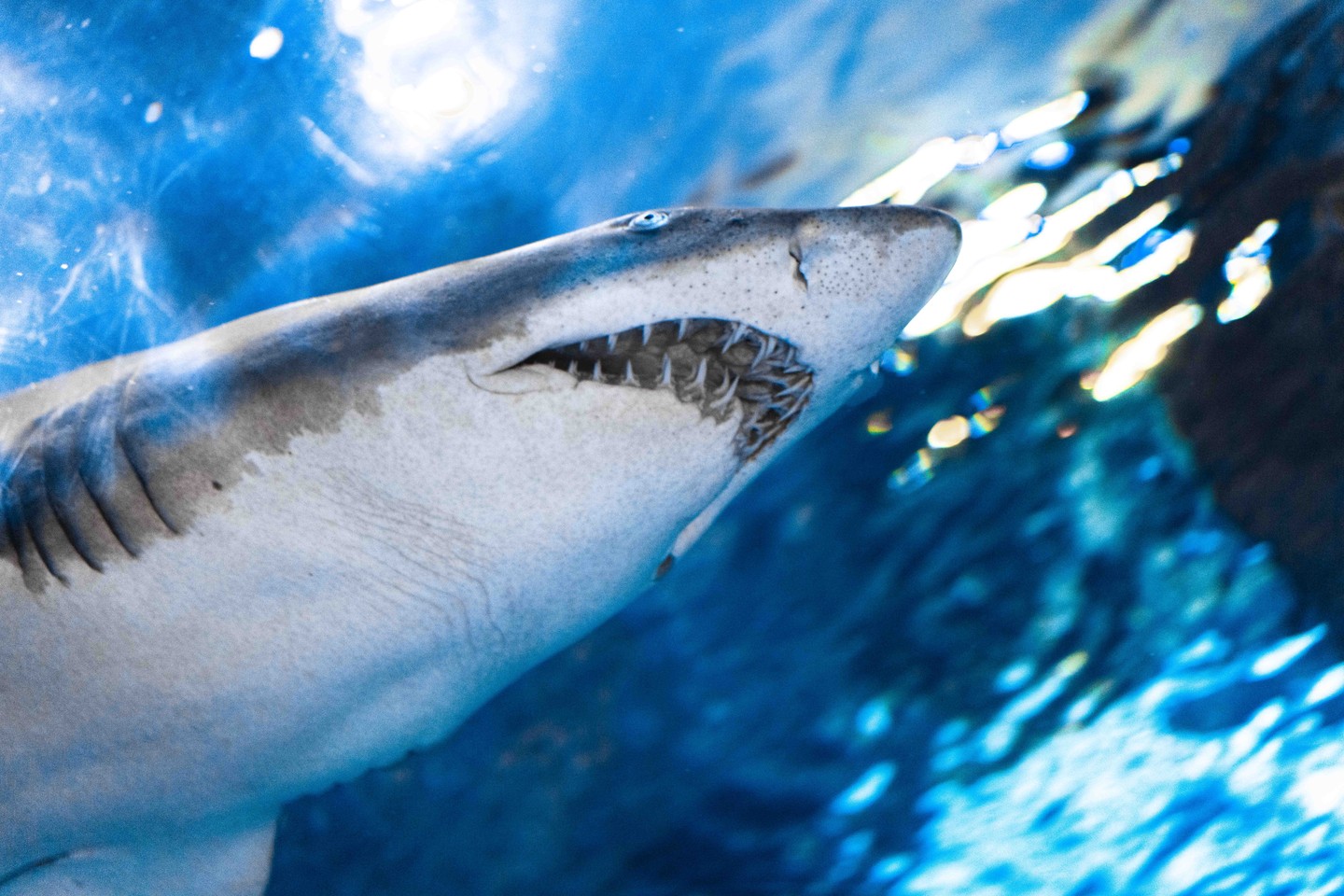
- The significance of sharks in marine ecosystems
- Overview of shark species conservation status
- The role of zoos and aquariums in education and conservation
- Insights into the Sips & Sharks sleepover experience
- Connecting with marine life and supporting conservation efforts
The significance of sharks in marine ecosystems cannot be overstated. These apex predators occupy a vital place in oceanic food chains, regulating populations of various marine species. This balance helps maintain the health of coral reefs and seagrass beds. Sharks contribute to the stability of their environments by preying on the weak and sick, allowing for a more robust and diverse marine life. The loss of sharks can lead to an unregulated populace of prey species, which in turn can devastate entire ecosystems.
Different species of sharks exhibit a wide range of behaviors and are specialized in various dietary and habitat needs. For instance, the great white shark, known for its formidable size, plays a crucial role in coastal ecosystems. Meanwhile, smaller species like the epaulette shark are vital for their unique adaptations that contribute to biodiversity. Understanding these various species is essential not only for appreciating their existence but also for advocating for their protection.
Turning our focus to shark species conservation status, many shark populations are in decline due to overfishing, habitat loss, and climate change. According to the International Union for Conservation of Nature (IUCN), nearly one-third of shark and ray species are threatened with extinction. Commercial fishing practices often target these animals for their fins—a practice that leads to inhumane conditions and long-term population depletion. Protecting sharks involves understanding their biology and ecology, as well as implementing sustainable fishing practices and enforcing marine protected areas.
Zoos and aquariums play a crucial role in education and conservation efforts. They serve as hubs for research, outreach, and rehabilitation, creating an engaging platform for the public to learn about marine life, including sharks. Sips & Sharks events, such as the one being highlighted here, showcase how these institutions foster awareness through innovative programming. Attendees can enjoy an evening featuring drinks, appetizers, and educational tours. These experiences create an atmosphere where conservation becomes a shared mission.
The Sips & Sharks sleepover experience offers participants a memorable opportunity to connect with marine life. Guests over 21 are invited to enjoy an evening filled with gourmet snacks and themed cocktails. A private aquarium tour enhances this experience, allowing participants to learn about various shark species, their behaviors, and their ecological roles. Following the tour, guests have the remarkable experience of sleeping beneath the breathtaking sight of swimming sharks. This unique environment creates a profound awareness of marine ecosystems, and enhances appreciation for these magnificent creatures.
This event also serves to raise funds and awareness for marine conservation initiatives. By joining Sips & Sharks, participants contribute to vital research and education programs designed to protect sharks and their habitats. Each registration fee supports ongoing conservation efforts led by marine biologists and wildlife conservationists striving to reverse the decline of shark populations worldwide.
Additionally, the connection between humans and marine environments is increasingly critical. Human activities pose significant risks to the health of oceans, and acknowledging this relationship can foster stewardship. Opportunities like Sips & Sharks encourage guests to reflect on the impact of their actions on marine ecosystems and consider ways to actively support conservation efforts beyond the event.
As attendees take part in the sleepover, they often leave with a newfound sense of responsibility toward marine conservation. Engaging in conversations about sustainable seafood choices and advocating for ocean-friendly policies can make a meaningful difference. Events like these bridge the gap between education, enjoyment, and activism.
Furthermore, the importance of supporting organizations focused on marine conservation cannot be understated. These groups advocate for policy changes, conduct vital research, and promote public awareness. Ensuring that shark populations remain robust requires collaboration among scientists, policymakers, and the public. By participating in events like Sips & Sharks, individuals gain firsthand knowledge that empowers them to be vocal advocates for marine conservation efforts.
Moreover, science-driven education is integral to changing perceptions about sharks. The fear surrounding these creatures often overshadows their ecological importance. Engaging programs at aquariums can help demystify the lives of sharks, emphasizing their roles as essential components of healthy marine ecosystems. By fostering curiosity and encouraging questions, these institutions promote a deeper understanding that can lead to better conservation policies.
As the world continues to shift under the pressures of climate change, the habitats that sharks depend on are also under threat. Coral reefs, seagrass beds, and coastal ecosystems face degradation, leading to declining shark populations and biodiversity loss. Addressing these broader environmental issues requires a multifaceted approach. Conservation efforts must focus not only on the animals themselves but also on protecting their habitats.
Initiatives that combine research, advocacy, and diverse public engagement can create a robust framework for effective conservation. Collaborative projects between zoos, aquariums, and conservation organizations can amplify efforts to rehabilitate and protect ocean environments. This foundational work supports programs that monitor shark populations and assess the health of marine ecosystems.
Understanding the biology of sharks also contributes to better conservation outcomes. For instance, studies show that sharks have slow growth rates and long reproductive cycles, making them particularly vulnerable to overfishing. Educating the public about these traits highlights the need for sustainable practices in fisheries management. Knowledge about sharks’ life histories can lead to more informed policy decisions that better protect vulnerable species.
Interactive events like Sips & Sharks empower the public, turning attendees into informed ambassadors for marine conservation. Participants not only learn but also have fun, fostering a deeper emotional connection to the cause. This connection is essential for building lasting support for conservation initiatives.
Finally, fostering a community that cares about marine life reinforces the message that everyone can make a difference. By sharing experiences from the Sips & Sharks sleepover, attendees can inspire others to join the conversation around shark conservation, creating momentum for change. The collective voice of engaged individuals can lead to greater advocacy for sustainable practices, marine protection policies, and broader awareness of ocean issues.
As we continue to explore ways to promote the health of our oceans, engaging activities like Sips & Sharks serve as a powerful reminder of our shared responsibility. By participating in such events, we can contribute to a future where sharks continue to thrive in their natural habitats. Together, we can advocate for practices that protect not only these apex predators but also the ecosystems they inhabit. This connection ultimately reinforces the importance of marine conservation and highlights individual agency in effecting positive change.
*****
Source Description
Want to keep the Shark Week vibes going? 🦈
Join us for Sips & Sharks, a 21+ sleepover featuring drinks, appetizers, and a private aquarium tour leading up to an incredible night sleeping beneath swimming sharks!
