
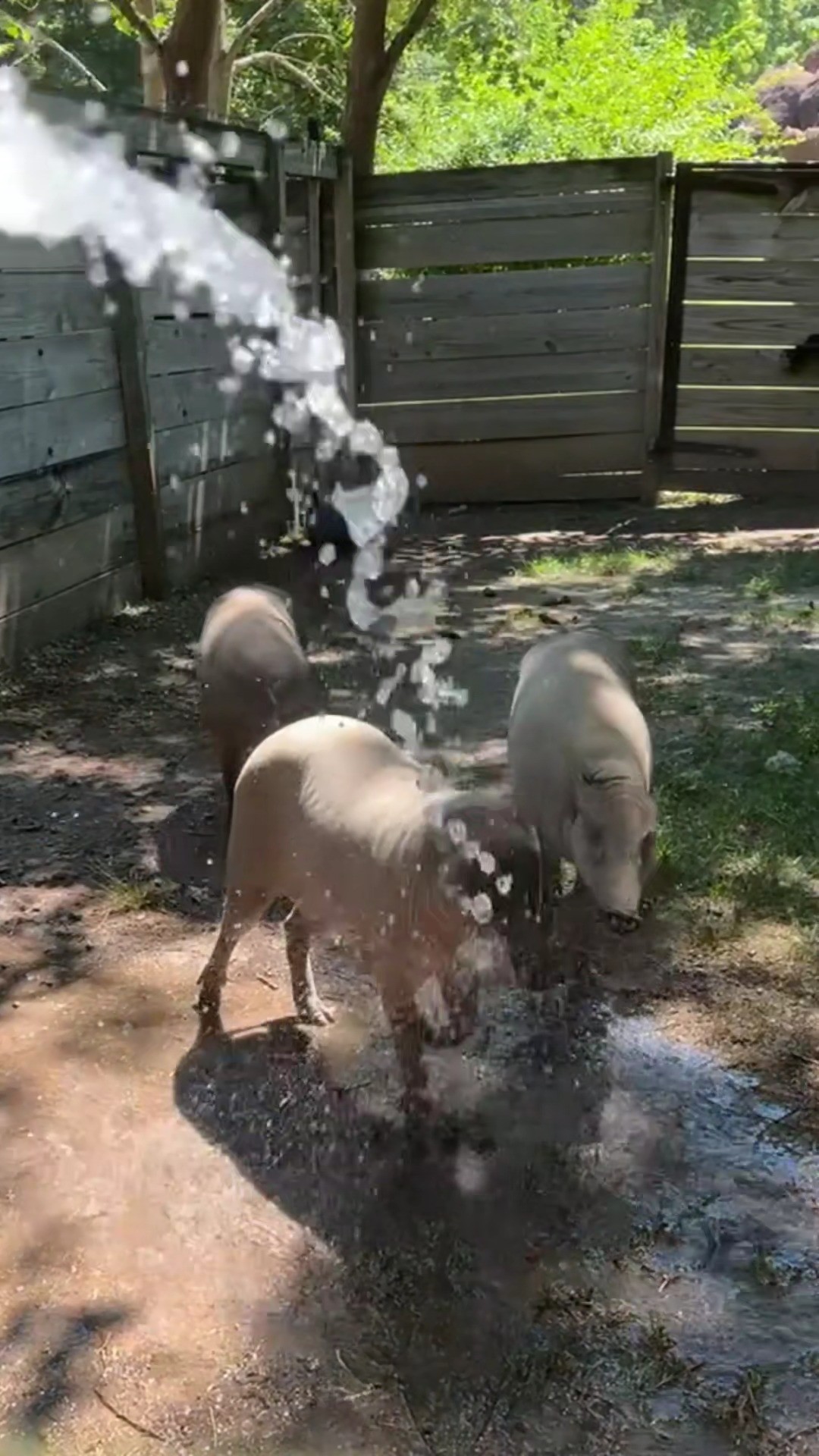
- The importance of water play for babirusas during hot weather
- Adaptations of babirusas to their natural environment
- The role of zoos in providing a cool habitat for animals
- Conservation efforts surrounding babirusas
- The impact of climate change on babirusas and similar species
The summer sun can create challenges for wildlife as high temperatures take a toll on animals in various habitats. This is particularly relevant for babirusas, an intriguing species native to Indonesia. These animals thrive in warm environments, but the heat presents unique challenges. Consequently, water play becomes a pivotal aspect of their daily lives during sunny days.
Babirusas (Babyrousa babyrussa) belong to the swine family and are known for their remarkable tusks and unusual appearance. They inhabit tropical forests, where they are often found near water sources like rivers and marshes. Water play serves multiple purposes for these pigs. It helps regulate body temperature and provides them with a physical outlet for their natural behaviors.
When temperatures soar, babirusas frequently submerge themselves in water or wallow in mud. This behavior is not just for fun; it is a crucial survival strategy. Water and mud keep their skin moist, preventing overheating, and also help in warding off sunburn. The presence of water in their environment contributes significantly to their overall well-being.
The aquatic behaviors observed in babirusas are not merely instinctual. These animals have evolved to exploit their surroundings effectively. They exhibit adaptations such as a long, flexible snout that aids in rooting for food in wet soil. Additionally, their social structure often involves family groups that promote cooperation in tasks such as foraging for food. This cooperative behavior allows babirusas to thrive even in challenging weather conditions.
Zoos play a critical role in the conservation of babirusas and other wildlife, especially during scorching summers. The facilities provide shaded areas and pools for these creatures, allowing them to engage in the essential activity of water play. Such environments mimic their natural habitats as closely as possible. Dedicated staff work diligently to maintain these areas, ensuring clean and suitable habitats for the animals.
The water features designed for babirusas in zoos also have educational value. By observing these animals and their interactions with water, visitors gain insights into their natural behaviors and biological needs. Educators can explain why water play is vital and how it contributes to the species’ health. This kind of knowledge fosters appreciation and awareness of the challenges that these animals face in the wild.
Babirusas are listed as vulnerable by the International Union for Conservation of Nature (IUCN). Several factors contribute to this status, including habitat loss and poaching. Conservation efforts are crucial in protecting these animals. Zoos engage in breeding programs that help bolster the population and ensure genetic diversity within the species. These breeding programs create a safety net that mitigates the risk of extinction.
One pressing concern is the impact of climate change on babirusas and similar species. As global temperatures rise, the habitats of many animals are shifting dramatically. Changes in precipitation patterns can lead to droughts or flooding, affecting the availability of water sources. For babirusas, this could mean a shortage of places to cool off during hot days, posing a risk to their survival.
The integrative approach of modern zoos aims to address these complex issues. By fostering public awareness and encouraging conservation efforts, zoos serve a dual purpose: educating the public about wildlife and actively participating in conservation initiatives. Community engagement through shares on social media about babirusas, such as their favorite water play activities, helps raise awareness about their plight.
Continued research in wildlife management is paramount, especially in developing effective strategies for conservation. Preservation of natural habitats requires the collaboration of governments, conservation organizations, and local communities. Educating local populations about the importance of babirusas can help mitigate poaching and habitat destruction.
Moreover, community-led conservation programs can empower residents to protect their local environment. When individuals recognize the value of biodiversity and the importance of species like babirusas, they become more likely to take action to safeguard their habitat.
The health benefits of water play extend beyond just keeping babirusas cool. Engaging in such activities promotes social bonding and reduces stress levels. Young babirusas often play together in the water, reinforcing their social structures. Observing these interactions showcases the complex emotional lives of these animals and emphasizes their need for adequate space and resources.
On particularly hot days, zookeepers may take specific measures to enhance the babirusas’ well-being. This includes creating shaded areas using tarps or natural structures and providing frozen treats made with fruits and vegetables. These interventions not only cool the animals down but also stimulate their natural behaviors.
As summer days become increasingly warmer, the role of zoos in providing adequate care for babirusas grows increasingly important. Institutions committed to animal welfare must continue to prioritize the needs of all their inhabitants. By monitoring health and behavioral changes during hot weather, zookeepers can adapt their strategies to keep babirusas healthy and engaged.
The commitment to wildlife conservation extends beyond immediate animal care to long-term ecological sustainability. Supporting policies that promote habitat preservation is key to ensuring a future for babirusas. Collaboration with environmental organizations can aid in creating more protected areas in their native habitats, which can serve as sanctuaries against the effects of climate change.
Furthermore, the scientific community plays a significant role in understanding the ecological needs of babirusas. Ongoing research into their behavior, diet, and health enables the formulation of effective conservation strategies. By sharing findings with both the public and conservationists, the knowledge base surrounding babirusas continues to grow.
As warmer weather becomes more frequent due to climate change, proactive measures will become crucial. Not only do babirusas need access to water for cooling off, but they also require extensive habitats to practice the diverse range of behaviors that contribute to their overall health. Long-term conservation must take these needs into consideration to create resilient populations capable of withstanding environmental stresses.
Ultimately, the interplay between babirusas enjoying their water play and the challenges posed by climate change emphasizes the importance of conservation efforts. By creating awareness and engaging the community, it’s possible to foster an environment where both animals and their habitats can thrive.
Building a world where babirusas can continue to enjoy their playful, water-filled summers requires collective action. In sum, through dedicated care, research, and conservation efforts, we can work toward a future where these remarkable creatures can thrive amidst the challenges of a warming planet.
*****
Source Description
Keeping cool on these sunny days! ☀️😎 Our babirusas love playing in the water during the summer!
