
Summary of Keeping animal diets fresh and healthy: Meet the Browse Team:
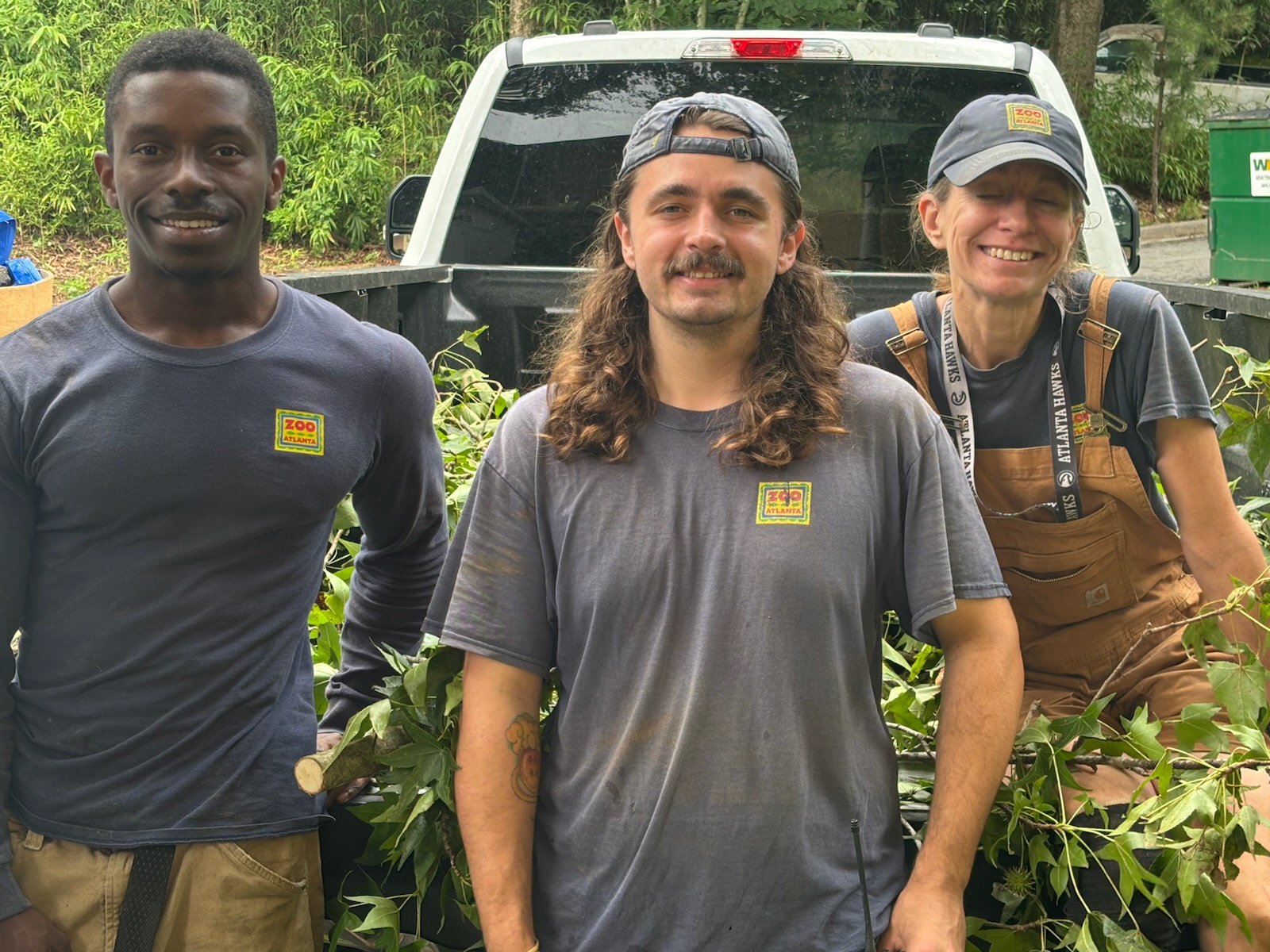
The content, authored by Jodi Carrigan, highlights the important role of the Zoo’s Browse Team, which is responsible for collecting fresh leaves, twigs, and branches—referred to as “browse”—essential for the diets of herbivorous animals. This team ensures that animals like giraffes, gorillas, and elephants receive a nutritious and stimulating diet that mimics their natural foraging behavior. The piece emphasizes the significance of browse for animal health and dietary enrichment, showcasing the teamwork involved in gathering these materials, as illustrated by a recent trip involving Browse Team members Jared and Kristen, along with Emmanuel from the Bamboo Team.
- Importance of Browse in Herbivore Diets
- The Browse Team’s Role in Animal Welfare
- Nutritional Components of Browse
- Best Practices in Foraging and Harvesting
- Connection Between Browsing and Animal Enrichment
Every day, a dedicated group of individuals, affectionately known as the Browse Team, embarks on the vital mission of gathering fresh browse for the animals at the zoo. Browse refers to fresh leaves, twigs, and branches that serve as critical components of a healthy diet for various herbivores. The importance of browse cannot be overstated, as it enriches the diets of many species and mimics their natural foraging behaviors. In this article, we will explore the significance of browse in the diets of herbivores, examine the role of the Browse Team in animal welfare, delve into the nutritional components of browse, and highlight best practices in foraging and harvesting.
The role of browse in the daily nutrition of herbivore species is crucial. Many animals, including giraffes, gorillas, and elephants, require specific plant materials to meet their dietary needs. Take giraffes as an example; their long necks allow them to reach the upper canopy of trees, where they consume leaves that are often high in fiber and essential nutrients. Elephants, on the other hand, are designed to process vast quantities of roughage daily. This not only supports their physical health but also provides mental stimulation. For herbivores like colobus monkeys, their specialized stomachs are equipped to digest fibrous plant materials effectively. This ability showcases the specific adaptations that various herbivore species have developed to make the most out of available resources.
The Browse Team becomes the architects of this feeding process. They consist of individuals who are knowledgeable about flora, animal behavior, and nutrition. By sourcing a variety of plant species, they create a diverse menu that supports the animals’ health and well-being. Team members like Jared and Kristen go on foraging trips that are planned around the availability of local browse, ensuring that animals receive fresh and varied diets. This diversity is essential; different plants offer different nutritional profiles, which can aid in preventing deficiencies and promoting health.
Nutritional components of browse are another factor worth examining. Fresh leaves and twigs are not just fillers; they are rich in vitamins, minerals, and roughage. Certain plants are particularly beneficial; for instance, willow and birch are favorites among many herbivores for their high fiber content. These species contribute to digestive health by promoting gut motility and microbial activity. Additionally, some plants offer antioxidant properties, which can help mitigate oxidative stress in animals. The Browse Team meticulously selects and harvests these species, discussing which plants work best for each animal based on research and observation.
In the process of gathering browse, there are established best practices that the team adheres to. Sustainable foraging is at the forefront of their efforts. This means they carefully evaluate local plant life to determine which species can be harvested without compromising the ecosystem. For example, overharvesting certain species can lead to depletion and negatively impact local wildlife. The team employs guidelines that include monitoring plant health, only taking what is needed, and allowing for recovery time before re-foraging the same areas.
Another technique involves rotating foraging locations. This practice not only allows for plants to regrow but gives animals access to different varieties over time. By changing the types and sources of browse provided, the animals receive a well-rounded diet and are encouraged to exhibit natural foraging behaviors. This not only satisfies their nutritional needs but also stimulates their curiosity and intelligence. Animals like gorillas, for instance, engage in browsing by exploring their environments, climbing trees, and using their dexterous hands to select the tastiest leaves.
Moreover, the connection between browsing and overall animal enrichment cannot be overlooked. Enrichment is critical in captivity to prevent boredom and behavioral issues. Providing browse as a daily offering prompts natural foraging instincts, which can enhance their quality of life. The Browse Team collaborates with the animal care staff to ensure that each species’ specific needs in terms of enrichment are met. The addition of browse not only serves as a nutritional source but also as a tool for behavioral enrichment.
To further promote animal well-being, the team often discusses insights about animal preferences. For instance, some animals may show a penchant for sweeter leaves, while others might prefer tougher, more fibrous options. Such observations are integral to tailoring diets that maximize both nutrition and enjoyment. The collaborative approach taken by the Browse Team and the animal care staff ensures that dietary strategies evolve, based on the animals’ needs, preferences, and health.
Moreover, the impact of browse extends beyond individual diets; it also has implications for conservation and biodiversity. In effect, the foraging activities promote local ecosystems by preventing the overgrowth of invasive species. By maintaining a balance within local flora, the Browse Team plays an indirect role in conserving native plant life and supporting local wildlife that relies on these plants.
Education plays a critical role in the mission of the Browse Team. They often lead discussions and workshops with zoo visitors, highlighting the connections between animal diets, natural habitats, and conservation efforts. By educating the public on the importance of browse and how it contributes to animal welfare, they foster a greater appreciation for wildlife and the environments in which they thrive.
Efforts to keep animal diets fresh and healthy are essential not just for the animals’ physical health but also for their mental and emotional well-being. Browse represents a cornerstone of these dietary strategies. The dedicated work of the Browse Team underscores the significance of fresh, natural foods in the diets of herbivores.
Through well-planned foraging, sustainable practices, and constant attention to nutritional needs, the Browse Team ensures that the animals receive the care and resources they need. They do not simply collect food; they cultivate relationships with the environment that promote health and sustainability.
As we move forward, the knowledge learned from the Browse Team serves as a model for wildlife management and care in zoos around the globe. With a clear commitment to animal welfare, nutrition, and conservation, this team exemplifies how a thoughtful, multifaceted approach can lead to better outcomes for wildlife in captivity.
The role of browse in animal diets thus extends far beyond basic nutrition; it intersects with aspects of animal behavior, ecological balance, and educational outreach. The significance of this work resonates far and wide, encouraging all stakeholders in wildlife conservation to prioritize the holistic needs of the animals in our care. Through active engagement with browse and sustainable practices, the journey toward better animal welfare continues, guided by the dedicated efforts of teams like the Browse Team.
