
- The significance of cotton-top tamarins in biodiversity and ecosystem health
- The role of zoos in wildlife conservation and education
- Improvements made to the cotton-top tamarin exhibit at the Eco Center
- Insights into cotton-top tamarin behavior, habitat, and diet
- The importance of public engagement for conservation efforts
Cotton-top tamarins hold an important position in the ecosystem and contribute greatly to biodiversity. This species, native to the tropical forests of Colombia, is classified as critically endangered. They play an essential role in seed dispersal and maintaining the flora of their habitats. The survival of cotton-top tamarins is directly tied to the health of their home ecosystems. Their removal can lead to significant ecological changes, demonstrating the interconnectedness of life and the importance of conservation efforts aimed at protecting such species.
The role that zoos play in wildlife conservation and education cannot be overstated. They serve as vital institutions in raising awareness about endangered species, fostering a connection between the public and wildlife. First and foremost, zoos provide a sanctuary for animals that are threatened in the wild. They create breeding programs designed to bolster populations of endangered species. Furthermore, zoos are instrumental in funding research initiatives focused on animal behavior, genetics, and conservation strategies. By educating the public about the role of animals like cotton-top tamarins, zoos foster a sense of responsibility and urgency regarding wildlife conservation.
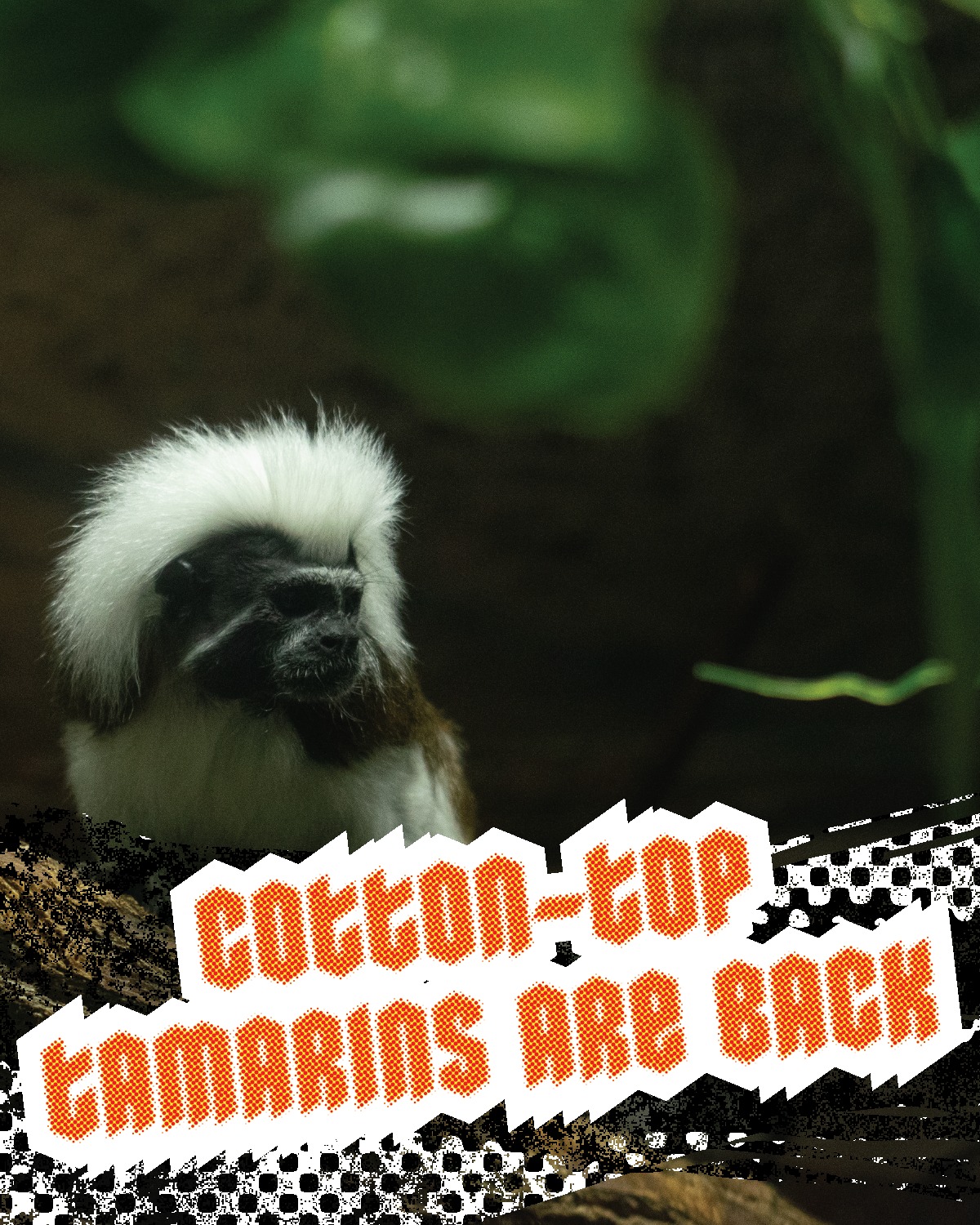
The cotton-top tamarins have returned to the Eco Center, and they can now be viewed in their original Rain Forest exhibit. Over the past several months, zoo staff have worked tirelessly to improve their living conditions. These enhancements were necessary not only for the animals’ comfort but also for visitor engagement. New enrichment activities have been implemented to stimulate the tamarins’ natural behaviors and foster interactions. These changes allow visitors to observe the tamarins in a more dynamic and exciting environment, enhancing learning experiences for all.
Understanding cotton-top tamarin behavior provides insight into their social structures and daily activities. These small primates exhibit complex social interactions, living in groups of around 6 to 40 individuals. Family bonds are strong, and cooperative breeding is common. Adult females typically give birth to twins, and the entire group participates in child-rearing. This communal approach ensures higher survival rates for the young, as multiple caregivers are available to protect and nurture them.
In terms of diet, cotton-top tamarins primarily consume fruits, insects, and small vertebrates. They are important seed dispensers within their habitat, as they contribute to the growth of various plant species. As such, their presence is crucial for the regeneration of their forest ecosystems. The diversity in their diet becomes a focal point for educational initiatives aimed at informing visitors about the intricate connections between species and their environments.
Public engagement is vital for building support for conservation efforts. When visitors come to see cotton-top tamarins in the Eco Center, they are not merely enjoying a day out. They are participating in a larger narrative about wildlife preservation. Educational programs linked to their exhibit teach the significance of biodiversity and how individual actions can impact conservation efforts. By fostering curiosity and compassion, zoos can inspire a new generation of environmental stewards.
The focus on cotton-top tamarins reinforces the need for habitat preservation in Colombia, home to the majority of the world’s remaining cotton-top tamarins. Deforestation poses a significant threat to their survival, as land is cleared for agriculture and urban development. The loss of their forest habitat results not only in diminished populations of cotton-top tamarins but also affects countless other species in the ecosystem. Through partnerships with local communities, various organizations work to promote sustainable practices that mitigate habitat loss.
Enhancements made in the Eco Center go beyond the physical improvements of the exhibit. The educational materials have been upgraded as well, providing visitors with information on the critical conservation status of cotton-top tamarins. This data includes statistics on population declines and conservation efforts, equipping guests with the knowledge needed to become advocates for wildlife sustainability. The addition of interactive displays allows visitors to actively engage with the material, solidifying their understanding and empathy for this endangered species.
Biodiversity is not just an abstract concept; it is the foundation of ecosystems that sustain human life. By focusing on species like the cotton-top tamarin, zoos highlight the interconnectedness of planetary health. The return of cotton-top tamarins to the Eco Center serves as a reminder of the collective responsibility we all share in preserving the Earth’s wildlife. This dialogue between the public and the ecosystem is one that should be continually fostered.
The improved cotton-top tamarin exhibit has also attracted attention from the conservation community. Zoo management actively participates in global breeding programs aimed to maintain genetic diversity in captive populations. Collaborations with researchers help to track the genetics of cotton-top tamarins both in captivity and in the wild, allowing for more informed conservation strategies.
As part of the improvements, extensive training has been provided to the staff at the Eco Center. They now have a greater understanding of tamarin behavior, ecology, and health needs. Continuous training ensures that staff are well-equipped to meet the animals’ needs. This dynamic approach not only benefits the tamarins but also enriches the visitor experience. By sharing their knowledge, staff can inspire guests to take meaningful action toward wildlife conservation.
The message is clear: the return of cotton-top tamarins represents far more than a simple addition to the Eco Center. It embodies a commitment to ongoing conservation efforts and public education. When visitors come to see these fascinating primates, they are also learning about the broader issues of habitat loss and species extinction. By equipping them with information and engaging experiences, the Eco Center prepares individuals to become collaborators in conservation.
Conservation is a collective effort. Each visitor to the Eco Center carries the potential to become an advocate for wildlife. Through social media, volunteering opportunities, and educational workshops, individuals can contribute uniquely to ongoing conservation initiatives. Engaging with cotton-top tamarins fosters an emotional connection, encouraging advocacy for their protection in the wild.
The eco-conscious initiatives taken at the zoo highlight the importance of sustainable practices. Choices made by individuals impact wildlife and habitat on a global scale. Encouraging eco-friendly habits through educational initiatives can empower the public. When communities work together towards sustainability, they create lasting change.
This time of renewed excitement for cotton-top tamarins accentuates the synergy between conservation efforts and public engagement. This vibrant connection between these small primates and visitors reflects the broader goal of preserving endangered species through education and active participation. By understanding the critical role they play within their ecosystems, both cotton-top tamarins and the public can work together in safeguarding biodiversity for future generations.
The presence of cotton-top tamarins back at the Eco Center serves as a beacon of hope for many endangered species. It showcases the value of conservation actions and their importance for the world we share. Moreover, the relationships built between zoos and the public reinforce a narrative of shared accountability. Comprehensive education, passionate advocacy, and ongoing conservation efforts will be key to ensuring the survival of cotton-top tamarins and countless other species that enrich our planet.
The story of cotton-top tamarins is just one chapter in an ongoing narrative about biodiversity, conservation, and human responsibility. Visitors to the Eco Center will have the opportunity to be part of this continuing journey. By fostering awareness, encouraging empathy, and inspiring action, we can support the preservation of vital species and habitats. Together, we can elevate conservation efforts, securing a brighter future for the cotton-top tamarins and the ecosystems they inhabit.
*****
Source Description
We’re excited to announce that cotton-top tamarins are back! You can see them in the Eco Center in their original Rain Forest exhibit. Thank you for your patience as we worked to make improvements to their exhibit.
