
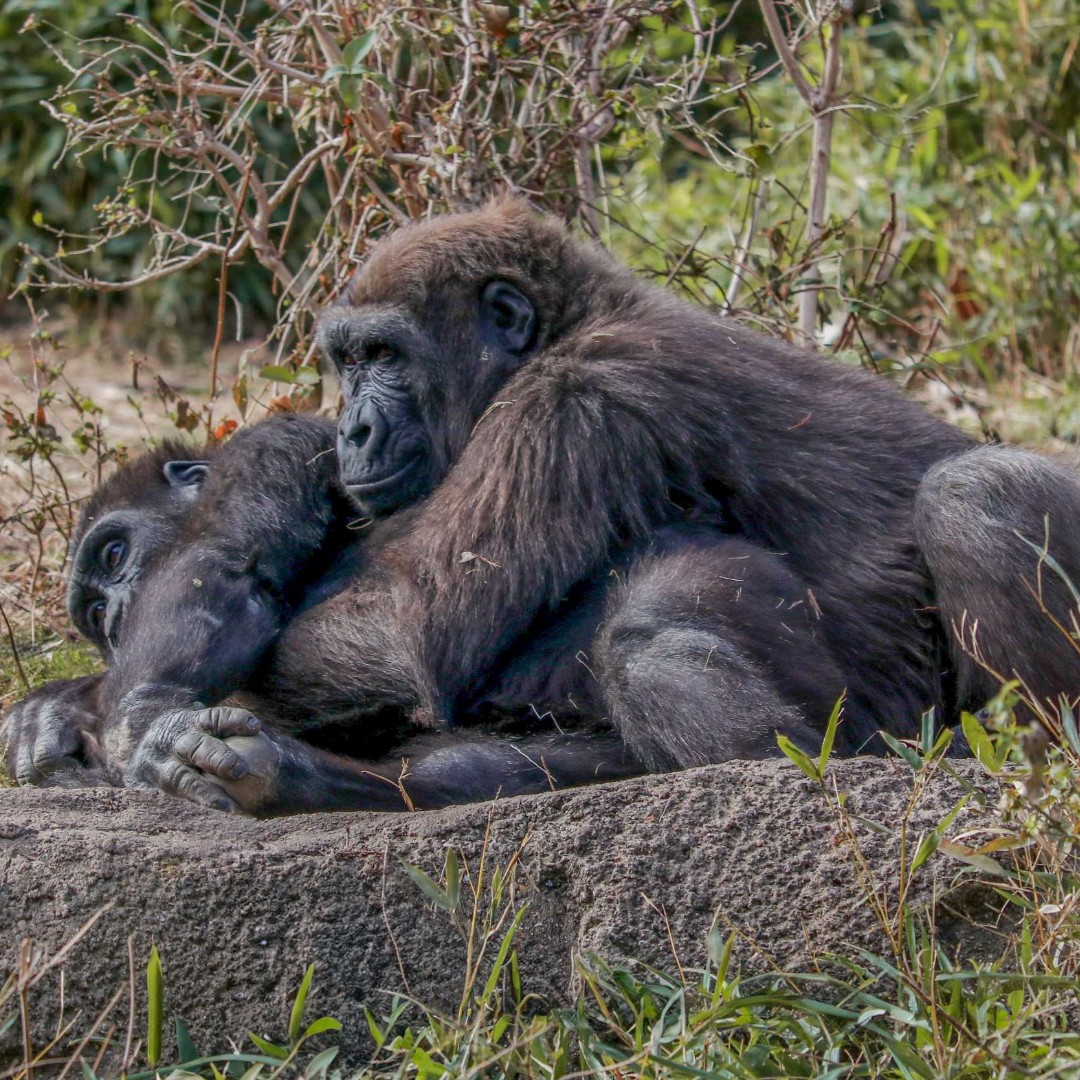
- The significance of cuddle puddles in animal behavior
- Cuddle puddles: a physiological and psychological overview
- The role of cuddle puddles in social bonding and group dynamics
- Practical applications and implications for zoo management and conservation
- Future perspectives on cuddle puddles in wildlife conservation efforts
Animal behavior can be complex. Among various observed phenomena, cuddle puddles command attention. These are gatherings where animals huddle closely together. Through this behavior, they not only share warmth but also foster social interaction. This article will explore the significance of cuddle puddles in the animal kingdom, the physiological and psychological underpinnings, their role in social dynamics, and implications for zoo management and wildlife conservation.
The significance of cuddle puddles in animal behavior is grounded in both physiological and social contexts. An immediate benefit of gathering closely is thermoregulation. Many animals, particularly those in cold climates, rely on cuddle puddles to maintain body temperature. The warm coats, shared among individuals, significantly reduce heat loss. For instance, species like penguins and otters display this behavior during frigid weather. However, the advantages of cuddle puddles extend beyond physical warmth.
Animal species often engage in cuddle puddling as a means of reinforcing social structures. In social mammals like wolves or primates, huddling together can express bonding and hierarchies. This behavior is not solely instinctual. Studies have shown that animals with stronger social bonds participate more frequently in cuddle puddles, underscoring the importance of social cohesion.
Cuddle puddles also highlight a physiological aspect concerning stress reduction. In many species, physical touch promotes the release of oxytocin, known as the “love hormone.” This hormone plays a vital role in social bonding, reproductive behaviors, and parental care. The warmth from cuddle puddles thus fosters a sense of security among group members. Research has indicated that animals engaging in cuddle puddles exhibit lower cortisol levels, which signifies reduced stress.
The role of cuddle puddles extends into group dynamics, influencing behavior and interaction patterns across species. In some social groups, cuddle puddles serve as a platform for communication. Animals may groom each other during these gatherings, facilitating social bonds. This grooming not only cleanses but also reinforces relationships, leading to increased cooperation among group members. In herds, cuddle puddles can indicate dominance hierarchies. Individuals may position themselves in a way that reflects social standing, which can impact access to resources and mates.
Another interesting dimension is the effect of cuddle puddles on reproductive behaviors. In several species, particularly among mammals, such behavior has been linked to mating readiness and pair bonding. For example, certain monkeys engage in cuddle puddles before breeding seasons, indicating their preparedness to mate. This confirms the role of cuddle puddles as a catalyst for reproduction and genetic diversity within a population.
When addressing practical applications of cuddle puddles, zoo management must consider the behavioral needs of animals in captivity. Understanding natural behaviors, such as cuddle puddles, allows caretakers to create environments that mirror the natural habitat. For example, designing enclosures that allow for social interactions can promote mental stimulation and physical health. Encouraging cuddle puddles can mitigate stress among residents, contributing to overall well-being. Additionally, incorporating enrichment activities that stimulate social behaviors will encourage animals to engage in these natural behaviors.
Monitoring animal health through the lens of cuddle puddles also holds importance. The frequency and duration of huddling can serve as indicators of overall health and well-being. If animals abstain from these behaviors, it may suggest stress or illness within the group. Consequently, a thorough observation system can be put in place to alert zoo staff when animals need intervention, allowing for timely care.
Furthermore, cuddle puddles have crucial implications for wildlife conservation efforts. Understanding how social structures operate within species can impact conservation strategies. For instance, preserving habitats must accommodate social behaviors, including cuddling, which are essential for certain species’ survival. In fragmented habitats, the lack of social interaction can endanger populations. Therefore, it’s vital for conservationists to consider the social ecology of targeted species.
Also, public understanding of cuddle puddles can promote species conservation. Educating visitors about the importance of social structures and group dynamics may generate increased support for preservation initiatives. Highlighting behaviors like cuddle puddles allows for a connection between people and animals. By fostering empathy, zoos and wildlife organizations can inspire enhanced conservation awareness. Moreover, they can leverage cuddle puddles to initiate discussions about species at risk and the challenges they face in the wild.
The future perspectives on cuddle puddles within wildlife conservation are promising yet require collaborative efforts across various disciplines. Ongoing research into how climate change influences the behavior of species is essential. Warming temperatures may alter social dynamics or make cuddle puddles less feasible for certain populations. Understanding these nuances is critical when formulating conservation strategies. Incorporating advanced technologies, such as remote monitoring and behavioral tracking, may provide vital data.
Translating this knowledge into practical guidelines is paramount. Training zoo staff on restorative behaviors such as cuddle puddles can enhance animal welfare while providing educational opportunities for visitors. By embedding social learning in animal care, we safeguard the mental and physical health of species at risk.
Efforts to link cuddle puddles with conservation narratives can also foster community engagement. Programs that allow participants to observe and learn about these behaviors may cultivate passionate advocates for wildlife conservation. Through workshops, lectures, and hands-on experiences, the significance of behaviors like cuddle puddles can be emphasized, ultimately fostering a more profound appreciation for animal welfare.
Cuddle puddles offer rich insights into animal behavior, social bonding, and wildlife management. By understanding these behaviors, we can enhance care practices for animals in captivity and further the mission of conservation in the wild. Future initiatives surrounding cuddle puddles can pave the way for increased awareness and advocacy, ultimately enriching the lives of both animals and humans.
*****
Source Description
The forecast calls for 100% chance of cuddle puddles ❄️
