
- Understanding the Spooky Seas ecosystem and its inhabitants
- The role of zoos in marine conservation
- Threats facing marine life and conservation strategies
- Engaging educational activities for students
- Career opportunities in marine zoology and conservation
The Spooky Seas ecosystem is a fascinating subject, as it encompasses a variety of marine environments, organisms, and ecological interactions. This underwater world is inhabited by countless species, each adapted to thrive in their unique conditions. Understanding this ecosystem requires awareness of the creatures present, their behaviors, and their interactions. Spooky Seas includes areas characterized by unusual habitats, such as deep sea trenches, coral reefs, and shipwrecks, all teeming with life. Animals like anglerfish use bioluminescence to attract prey, while octopuses demonstrate remarkable camouflage abilities. Each organism plays a crucial role in maintaining ecological balance.
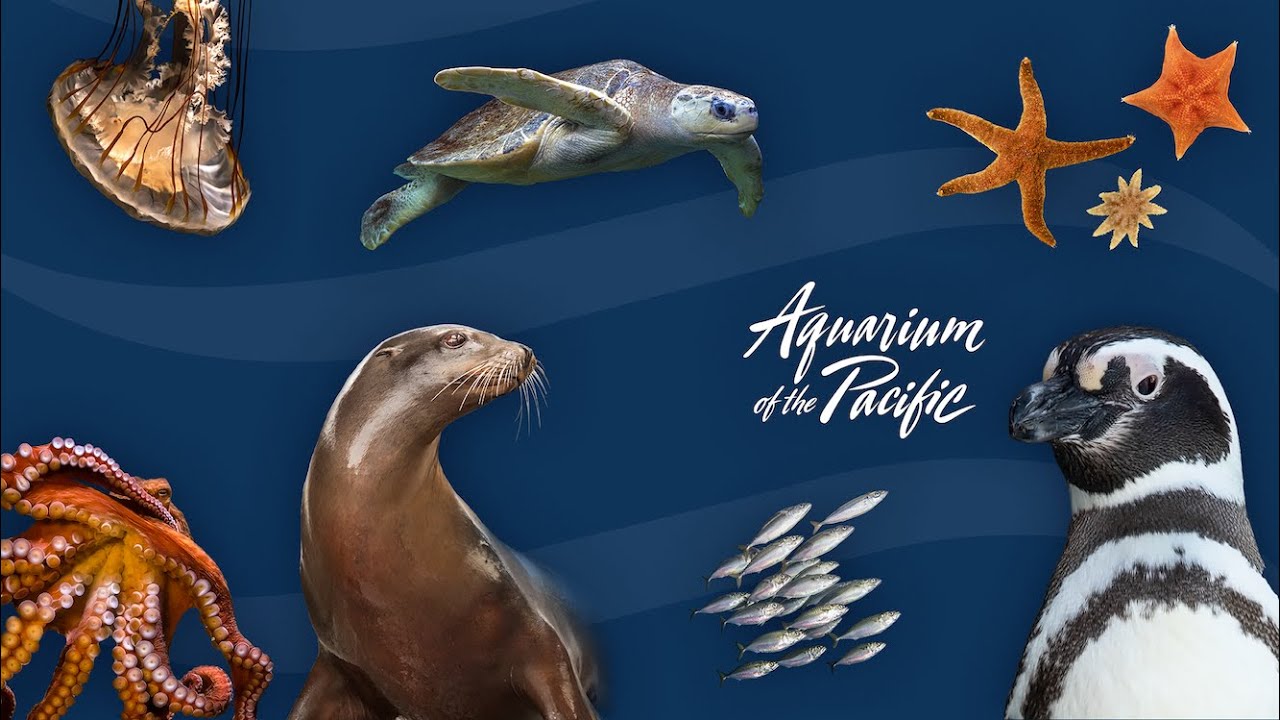
Zoos are increasingly expanding their focus to include marine species and their habitats. Many institutions now have dedicated marine exhibits that aim to educate the public about aquatic ecosystems. These exhibits showcase species such as sea turtles, sharks, and jellyfish, while providing information about their natural behaviors and habitats. Effective zoo management practices now incorporate best standards for educational programming and community outreach. Zoos often participate in breeding programs, species recovery efforts, and habitat restoration initiatives which contribute to the long-term preservation of marine species. These activities help raise awareness and encourage public support for marine conservation.
Marine life faces numerous threats that jeopardize its survival. Climate change, pollution, and overfishing are the predominant challenges. Rising ocean temperatures and ocean acidification have significant impacts on reef ecosystems, causing coral bleaching and altering marine food webs. Plastic waste poses a hazard to marine animals, often leading to entanglement or ingestion that can result in injury or death. Overfishing disrupts the balance of marine ecosystems by depleting key species that serve as indicators of healthy marine environments. Conservation efforts are critical in mitigating these threats. Strategies include establishing marine protected areas (MPAs), adopting sustainable fishing practices, and reducing plastic use. Raising awareness about these issues is vital to fostering a sense of responsibility for marine areas and the species that inhabit them.
To foster engagement and enhance learning among students in grades 6 to 8, educational activities centered around Spooky Seas can stir curiosity and encourage exploration of marine science. Activities like creating models of marine habitats, conducting research projects on specific marine species, or organizing field trips to aquariums can provide hands-on learning experiences. Interactive learning tools, such as virtual reality tours of underwater ecosystems, can illustrate the dynamics of marine environments. Incorporating technology and project-based learning allows students to investigate real-world issues while gaining valuable knowledge in zoology and marine conservation.
As interest in marine biology continues to grow, so does the range of career opportunities available in this field. Students inspired by Spooky Seas may consider various paths, including marine zoologist, marine biologist, conservation scientist, and aquarium educator. Each of these careers demands a strong educational background in biology and ecology. Internships or volunteer experiences at marine facilities can bolster hands-on skills. Researchers often work in labs or field settings, studying animal behaviors, reproductive habits, and environmental health. Essential qualities for success in these roles include a passion for wildlife, analytical thinking, problem-solving skills, and effective communication abilities.
Marine conservation is vital as we aim to protect the vast diversity of life found in our oceans. The Spooky Seas ecosystem serves as a testament to the intricate interconnections among living organisms and their environments. It is essential to promote understanding and appreciation of marine species and habitats. Engaging educational programs and career pathways can inspire the next generation of conservationists and marine scientists. Encouraging sustainable practices in daily life can also contribute to the larger effort of preserving marine ecosystems.
Every effort counts in creating a sustainable future for ocean life and ensuring the survival of diverse species within the Spooky Seas. Through education, conservation initiatives, and greater public awareness, we can foster respect for these environments and the incredible organisms that inhabit them. Each piece of information, whether it stems from a classroom activity, a local aquarium visit, or a career discussion, helps to build a collective vision for prioritizing marine health. The health of our oceans influences the well-being of our planet, reinforcing the need for consistent commitment to marine conservation efforts.
*****
Source Description
Have you ever wondered about animals that live in the deep ocean? Explore this habitat and the special animals that call it home.
