
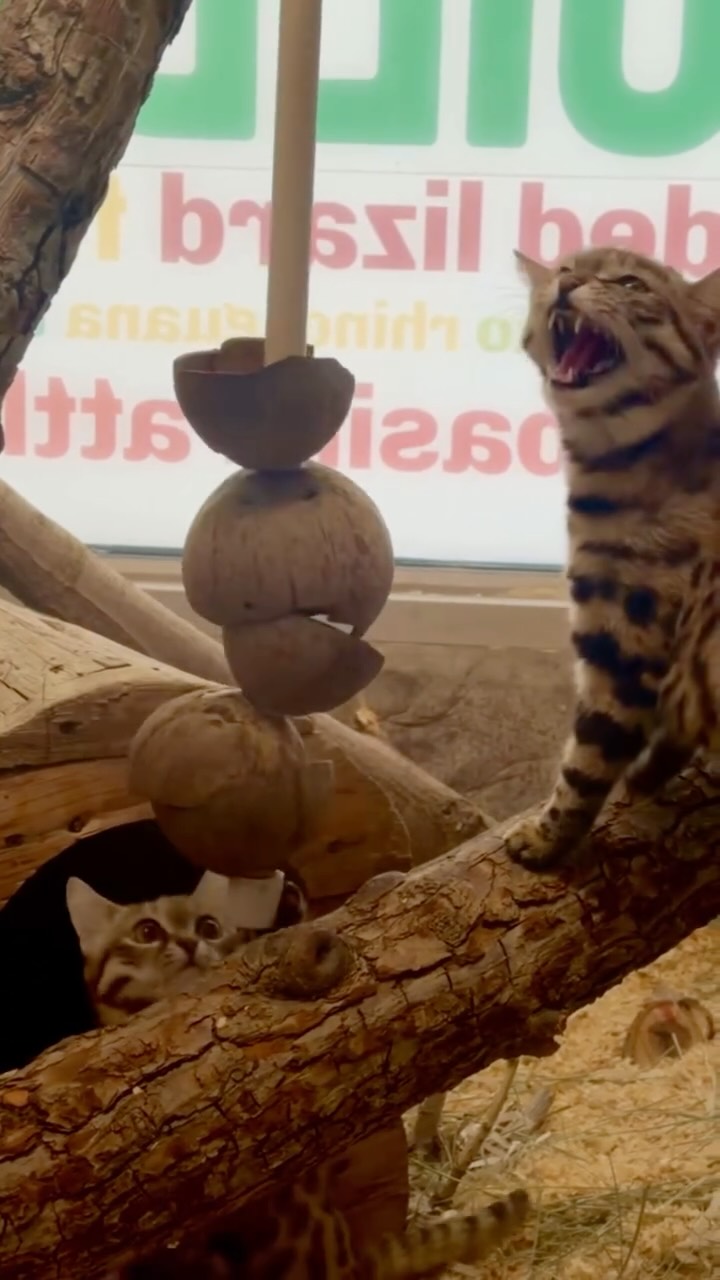
- The dynamic relationship between curiosity and chaos among siblings
- How sibling interactions shape personalities and behaviors
- The impact of these relationships on social skills and conflict resolution
- The role of curiosity in fostering creativity and problem-solving
- Lessons for parents and caregivers in guiding sibling dynamics
Curiosity and chaos often go hand in hand, especially in the sibling dynamic. The spirited interactions between brothers and sisters can serve as a foundation for growth, learning, and the occasional uproar. These relationships are complex and can significantly shape individual characteristics and social skills.
The dynamic relationship between curiosity and chaos among siblings is worth examining. From early childhood, siblings foster a unique environment filled with inquiry and exploration. Children naturally possess a strong urge to learn about their surroundings, and having a sibling amplifies this curiosity. They share discoveries, engage in imaginative play, and constantly challenge one another’s ideas. This interaction stimulates intellectual curiosity which is crucial in early development.
While this curiosity often leads to joyful experiences, it can just as easily veer into chaos. Disagreements over toys, space, or attention from parents can escalate quickly. Such moments may cause tension and even discord, but they also serve a purpose. Conflict resolution skills, which are essential later in life, are honed during these disputes. How siblings navigate these quarrels influences their future interactions in social settings. By learning to communicate effectively, express emotions, and negotiate solutions, they set the groundwork for resilience and adaptability.
A sibling’s role in shaping personality is another critical aspect. Birth order and individual temperaments play into how siblings behave in conjunction with curiosity and chaos. For instance, the oldest sibling might assume a leadership role, taking on responsibilities and guiding their younger counterparts. This dynamic can create a blend of mentorship and rivalry. The younger sibling, in contrast, often displays curiosity by challenging boundaries set by the older siblings. This push-pull relationship promotes various personality traits, such as assertiveness and empathy.
Understanding the broader emotional context sheds light on the impact of these relationships on social skills. Siblings act as practice ground for social interactions. They learn how to empathize, share, and engage in cooperative play. This is vital for overall emotional intelligence. When conflict arises, it invites introspection. Both siblings must reflect on their actions and feelings to resolve disputes. This reinforces crucial life skills such as self-regulation and perspective-taking.
Curiosity serves as a driving force behind creativity and problem-solving abilities. In tandem with chaos, it cultivates imaginative thinking. Siblings often partake in creating elaborate games or narratives, reflecting their shared interests and insights. Typical play scenarios may involve the exploration of uncharted territories around the house or the invention of complex storylines. This type of engagement nurtures their cognitive development. Children are not just content consumers; they turn into creators, innovators, and thinkers.
Parental influence is essential in shaping how these sibling dynamics unfold. Adults have a pivotal role in guiding interactions. Providing a structure within which curiosity can flourish while managing chaos is key. For instance, setting boundaries around play can help children understand limits without stifling their eagerness to explore. Encouraging cooperation rather than competition fosters a supportive environment. Parents should promote themes of teamwork and shared exploration, helping to quell disputes constructively.
Listening to children’s concerns during conflicts and providing tools for resolution helps build trust and security. Teaching them strategies for effective communication can go a long way in addressing grievances. This underlines the importance of providing resources for emotional expression, making them feel heard and understood. These practices instill emotional competence and nurturing lifelong social skills.
Ultimately, the relationship between curiosity and chaos in sibling dynamics offers valuable lessons. Understanding these interactions allows for better parental strategies and stronger emotional intelligence among children. Encouraging curiosity while fostering emotional regulation equips siblings to thrive both in home life and in broader social settings.
Curiosity and chaos are intertwined in the sibling experience. Their interactions reflect a duality of growth and challenge. With the right guidance and support, siblings may navigate these complexities successfully. By fostering an environment ripe for exploration while managing potential chaos, families can enhance bonding and reinforce critical skills.
*****
Source Description
Curiosity meets chaos. Sisters, am I right?
