
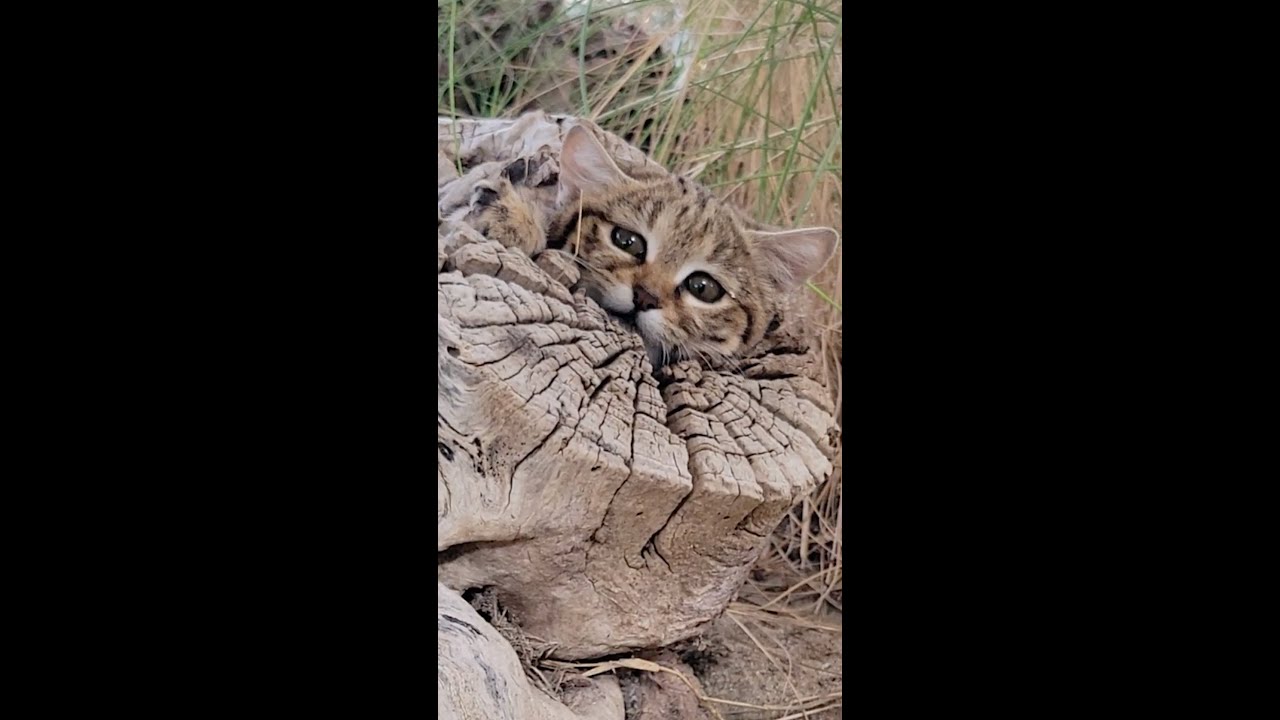
- The Joy and Benefits of Peekaboo with Meg: Insights into Cat Behavior and Enrichment
- Enhancing Animal Welfare in Zoos: Strategies and Practices with Peekaboo
- The Role of Peekaboo in Wildlife Conservation Education
- Integrating Technology and Interactive Play in Modern Zoological Settings
- Opportunities and Challenges in Zoo Management: Focus on Animal-Visitor Interactions
Peekaboo with Meg, a playful interaction between cats and humans, not only delights but also serves as an important tool in understanding feline behaviors. Exploring its impact reveals significant insights into animal welfare, conservation efforts, and the evolving practices in zoo management.
Peekaboo and Cat Behavior
Peekaboo with Meg offers more than entertainment; it provides a lens into the behavioral patterns and cognitive functions of cats. Cats are naturally curious and intelligent creatures. They engage in Peekaboo as a form of mental stimulation and physical exercise. This interaction is essential for maintaining their psychological well-being and avoiding lethargy and stress, common in captive environments.
The interplay observed in Peekaboo highlights intrinsic behavioral characteristics such as predatory instincts and problem-solving abilities. The game mimics natural hunting scenarios, allowing cats to replicate stalking and pouncing behaviors in a safe environment. Understanding these activities helps zoologists develop enhanced enrichment programs that cater to the innate needs of the species.
Enhancing Animal Welfare in Zoos
Zoo managers and zoologists strive to provide environments that meet the complex needs of their animal inhabitants. Peekaboo with Meg showcases an effective strategy for enriching the lives of captive animals. Enrichment activities like these are fundamental to promoting natural behaviors and enhancing the quality of life for zoo residents.
Zoos globally adopt diverse enrichment tools, ranging from puzzle feeders to interactive toys. Peekaboo specifically aids in reducing stereotypic behaviors—abnormal repetitive actions that occur due to stress or boredom. Through engagement and mental stimulation, animals in zoos can lead more fulfilling lives. This approach reflects an increasing focus on animal welfare and the provision of environments that simulate their natural habitats.
Role of Peekaboo in Wildlife Conservation Education
Educating the public about wildlife conservation is a priority for modern zoos. The interactive nature of Peekaboo with Meg provides an engaging platform for conveying conservation messages. By observing and participating in animal play, visitors gain a deeper understanding of species-specific behaviors and the importance of preserving such creatures in their natural habitats.
Incorporating such interactive experiences in zoo programs can boost conservation awareness, influencing public attitudes toward wildlife preservation. When visitors witness the positive impact of enriched play, they are more likely to support conservation initiatives and advocate for sustainable practices.
Integrating Technology and Interactive Play in Zoological Settings
The advent of technology has revolutionized the way zoos operate. Peekaboo with Meg integrates digital innovations, providing more dynamic and engaging experiences for both animals and visitors. Interactive screens and virtual environments that simulate Peekaboo can provide varied experiences that stimulate cats similarly to traditional play.
Technological integrations in zoos also enhance data collection methods, enabling researchers to track behavioral patterns, stress levels, and overall health metrics more effectively. Such data-driven approaches facilitate informed decision-making in animal care and welfare plans, expanding the potential of Peekaboo-style interactions beyond mere play.
Opportunities and Challenges in Zoo Management
Zoo management faces the dual challenge of catering to animal welfare while providing educational and recreational experiences for visitors. Peekaboo with Meg exemplifies an innovative solution bridging these goals. Interactive animal-visitor activities increase engagement, creating memorable experiences that can spark interest in wildlife conservation.
However, introducing such programs comes with challenges, including ensuring safety and balancing interaction frequency to avoid animal stress. It calls for a multidisciplinary approach involving zoologists, veterinarians, and educational experts to develop programs that prioritize both animal welfare and visitor satisfaction.
Peekaboo with Meg is more than a simple game. It’s a powerful tool that combines animal welfare, educational outreach, and innovative zoo management strategies, contributing significantly to the contemporary mission of conservation-focused zoological institutions.
*****
Source Description
