
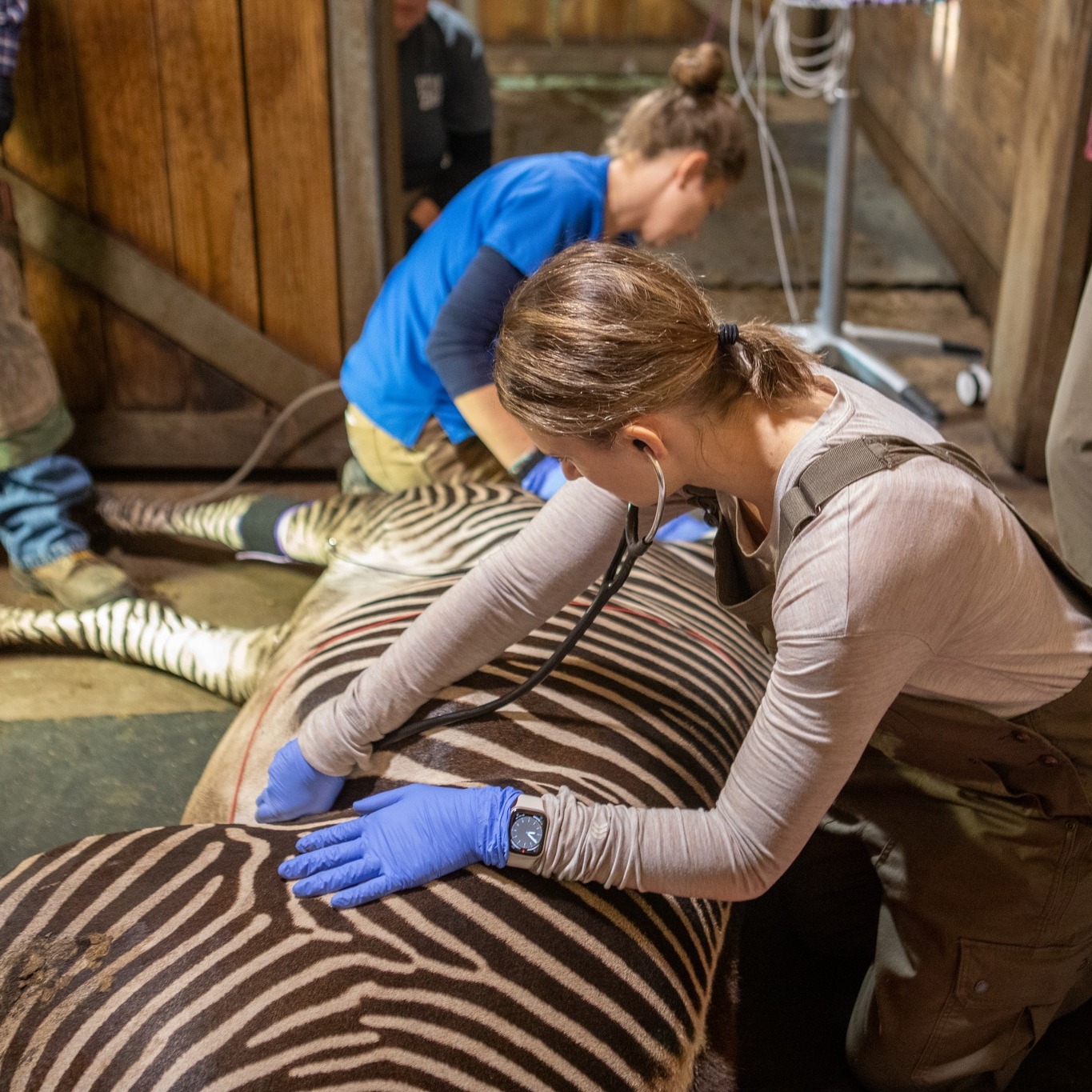
- Understanding the importance of wildlife veterinary care
- Techniques for drawing blood from large animals like rhinos
- Methods for performing X-rays on tall animals like giraffes
- The role of experienced veterinary teams in animal care
- Insights into wildlife conservation and the future of zoo management
Veterinary care for wildlife is crucial in maintaining the health of animals in zoos and reserves. A zoo’s animal care team plays a vital role, employing specialized techniques to ensure the well-being of a diverse array of species. Among the most compelling aspects of veterinary practice for wildlife are the procedures for blood drawing and diagnostic imaging, such as X-rays. This article will expand on these procedures while highlighting the talented professionals who make them possible.
To begin, the importance of veterinary care in wildlife habitats cannot be overstated. Health assessments and preventive care are foundational for maintaining the health of animals. Regular check-ups can catch medical conditions early, which is particularly vital for endangered species that may be susceptible to diseases or stress from captivity. The relationship between animal care and the health of broader ecosystems remains a key focus of wildlife conservation efforts.
Blood sampling in large animals, such as rhinos, showcases the innovative methods veterinary teams employ. Drawing blood from a rhinoceros is a complex procedure due to the animal’s size, thickness of the skin, and available access points. Professionals often use remote tranquilizers to sedate the rhino safely. For species like the black rhino or white rhino, sedation minimizes stress and risk. Once the animal is calm, the vet carefully selects a suitable vein, typically in the neck region, for sampling.
Specialized equipment, such as larger needles, is essential when drawing blood from these hefty animals. The size ensures efficiency while minimizing discomfort. Additionally, veterinary teams take various precautions to manage each situation effectively. Continuous monitoring of heart rate and breathing patterns during the procedure is critical. This vigilance guarantees the animal’s safety throughout the blood collection process.
Examining the blood can yield crucial information about the animal’s health, providing insights into its immune function, metabolic state, and even its stress levels. Biomarkers found in blood samples can reveal exposure to toxins or diseases that could affect not only the indivisible animal but also those in its habitat. The analyses pave the way for proactive healthcare approaches, which can potentially save entire populations.
Transitioning to diagnostic imaging, particularly X-rays, we uncover another breathtaking facet of veterinary procedures for wildlife care. Giraffes are some of the tallest land mammals, standing at up to 18 feet, which presents unique challenges for X-ray imaging. The technical setup must include equipment capable of accommodating this height effectively. Veterinary teams often employ portable X-ray units, allowing flexibility in positioning and minimizing animal stress.
Before taking X-rays, it’s essential to resituate the giraffe in a safe area where it feels comfortable. Tranquilization may also be necessary, depending on the individual animal’s temperament. The veterinary team engages in significant planning around the procedure, considering the angles required for accurate imaging. Proper communication and coordination among the team are crucial for effective execution, ensuring the bedrock for quality diagnostics.
X-ray imaging is invaluable for diagnosing internal issues, including fractures or infections. It helps veterinary professionals evaluate bone density and structure, assisting in the diagnosis of conditions such as arthritis—all crucial for aging animals. In some instances, the images gained from an X-ray can reveal issues that otherwise might remain undetected until they become serious.
The team behind these procedures is composed of highly trained individuals who excel in animal care and veterinary medicine. Animal veterinarians, veterinary technicians, and specialists work cohesively to ensure positive outcomes during procedures. Each team member plays a pivotal role, whether it’s ensuring animal safety, administering anesthesia, or analyzing results from diagnostic tests. Ongoing training and education are key components of their professional growth, as the field is constantly advancing with new techniques and technologies.
Additionally, the veterinary team’s role extends beyond immediate animal care; it also encompasses wildlife conservation efforts. Educating the public about the need to protect animal habitats and advocate for endangered species forms an integral part of their job. By detailing the relationship between veterinary care and wildlife conservation, zoo professionals work to foster understanding and inspire commitment to eco-friendly practices.
The future of zoo management increasingly centers on integrating high-quality veterinary care with a focus on conservation. As zoos evolve, their roles are transitioning from mere entertainment to educational hubs and research facilities. They are vital contributors to species conservation projects aiming to restore populations in the wild. Knowledge sharing, breeding programs, and genetics research help secure the future of endangered species.
The power to educate and inspire does not stop with the veterinary team. Engaging opportunities, such as Zoofari events, empower the public to learn more about animal husbandry and well-being. During these events, visitors experience behind-the-scenes access to the veterinary hospital. They get to meet the experts who care for the animals, ask pressing questions, and gain firsthand knowledge of animal healthcare practices. Such initiatives create awareness and encourage support for wildlife conservation efforts.
These educational experiences serve not only to enlighten the public but also to encourage responsible interactions with wildlife and natural habitats. Understanding the complexities of animal care deeply influences how people perceive and relate to wildlife. This connection becomes paramount as the world faces significant challenges such as habitat loss, climate change, and poaching.
Zoo management emphasizes its commitment to wildlife conservation through continued investment in research and the latest technology in veterinary medicine. By aligning their practices with conservation goals, zoos can work towards fostering sustainable environments for both captive and wild populations. Future generations stand to benefit from these efforts if the present focus on up-to-date veterinary practices continues.
Overall, the techniques for drawing blood from a rhino or conducting X-rays on a giraffe illustrate the intersection of veterinary science and wildlife conservation. Both tasks require deep knowledge, skill, and dedication. They represent just a fraction of the groundbreaking work being done within zoos and veterinary hospitals around the globe. Engaging the public in these conversations transforms awareness into action for wildlife protection and emphasizes the essential role of zoos in fostering a more sustainable future.
The veterinary team’s expertise, dedication, and use of advanced techniques constitute the backbone of successful wildlife management and conservation. By nurturing a deeper understanding of wildlife care, zoos can play a pivotal role in securing biodiversity and advocating for animal welfare. Such initiatives not only enhance the lives of individual animals but also contribute fundamentally to preserving entire species for years to come.
*****
Source Description
Ever wondered how we draw blood from a rhino or X-ray a giraffe? 🦏🦒 Now’s your chance to find out!
Join us for Zoofari and go behind the scenes at our veterinary hospital. Meet the team who cares for our animals and ask all your burning questions!
🎟 Get your tickets at the link in our bio!
.
.
.
