
- Giraffe populations and the silent extinction crisis
- The significance of the Giraffe SAFE program
- The Virginia Zoo’s efforts in giraffe conservation
- Educational initiatives and community engagement
- How visitors can support giraffe conservation efforts
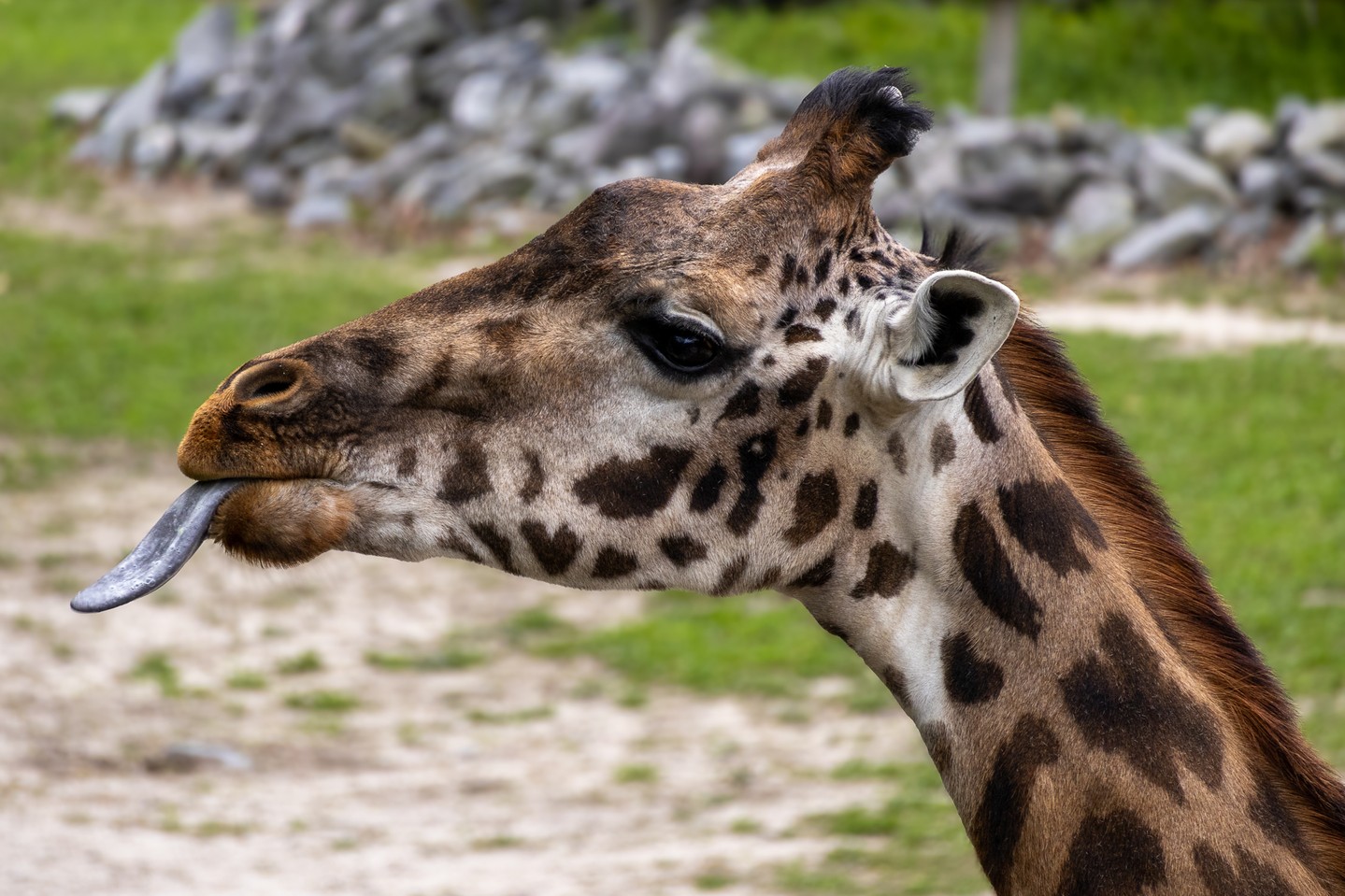
Giraffes are one of the most recognizable animals traversing the African landscape. Their distinctive long necks and spotted coats make them a favorite among wildlife enthusiasts. However, they face an alarming decline that often goes unnoticed. Current data from the International Union for the Conservation of Nature (IUCN) indicates that Masai giraffes are classified as Endangered. This classification calls attention to the silent extinction crisis affecting giraffes despite their iconic status. Public awareness is crucial for enacting change and securing the future of these magnificent creatures.
In their natural habitats, giraffes are confronted with a myriad of threats. Habitat loss, poaching, and human-wildlife conflict have contributed significantly to the reduction of their populations. As human settlements expand, the areas where giraffes thrive shrink. In some regions, illegal hunting poses an additional danger, as poachers target these animals for their hides and other body parts. Moreover, climate change is exacerbating these challenges, affecting the food sources that giraffes rely on for survival.
The Giraffe Saving Animals From Extinction (SAFE) program has been pivotal in addressing these concerns. Launched in 2017, this initiative focuses on uniting accredited zoos and aquariums globally to raise awareness and funds for giraffe conservation. Since its inception, the program has successfully generated more than $7.8 million. These funds are allocated to a variety of vital areas, including scientific research, habitat preservation, and community outreach. By pooling resources and expertise, the program aims to develop sustainable solutions to combat the multitude of challenges giraffes face.
The Virginia Zoo plays a crucial role within the Giraffe SAFE program, hosting giraffes such as Imara and Noelle. The zoo is committed to providing a safe and enriching environment that mirrors their natural habitat. Staff members regularly engage in scientific research to monitor the health and behavior of the giraffes. This information is essential for enhancing care practices and ensuring the well-being of these animals. Additionally, the zoo participates in breeding programs that aim to maintain genetic diversity while increasing population numbers in captivity.
As part of their conservation strategy, the Virginia Zoo also invests heavily in educational initiatives. They host outreach programs designed to teach visitors about giraffe conservation efforts. Interactive exhibits and programming allow guests to learn about the threats facing giraffes and the steps being taken to protect them. These educational efforts aim to inspire a new generation of conservationists, fostering a sense of responsibility toward wildlife among the public.
Community involvement is another critical aspect of giraffe conservation at the Virginia Zoo. The zoo frequently collaborates with local schools and organizations to promote awareness. Workshops, educational seminars, and guided tours provide opportunities for deeper engagement. By involving the community in these initiatives, the zoo cultivates a sense of shared responsibility for giraffe conservation efforts. This collaborative approach has proven effective in raising awareness and fostering a positive attitude toward wildlife protection.
For visitors wondering how they can support giraffe conservation, several options are available. Participating in zoo programs, making donations, or even adopting a giraffe are all effective ways to contribute. The Virginia Zoo often hosts special events aimed at fundraising for giraffe projects. Additionally, visitors can purchase merchandise, with proceeds directed toward conservation initiatives. Every contribution, whether large or small, adds up to create a significant impact on giraffe conservation efforts.
Volunteering at the Virginia Zoo presents another avenue for direct involvement. Passionate individuals can dedicate time to support various zoo functions, contributing their skills to conservation goals. Volunteer roles can range from education to animal care, each playing a part in enhancing the overall mission of the zoo. Those who donate their time not only strengthen the zoo’s initiatives but also deepen their understanding of giraffe welfare and conservation.
The Virginia Zoo aims to tackle the challenges facing giraffes head-on. Through dedicated research, community engagement, and education, it strives to create a strong conservation network. Their efforts have a ripple effect, influencing both local and global conservation strategies. Engaging with visitors about the plight of giraffes is just as vital as the behind-the-scenes work taking place at the zoo. By connecting with the public, the zoo raises awareness of the broader implications of giraffe conservation.
In summary, giraffes are facing an urgent need for conservation support. Their populations are dwindling, and the general public remains largely unaware of the extent of the crisis. Programs like Giraffe SAFE and institutions like the Virginia Zoo are working tirelessly to restore giraffe populations and ensure their survival for future generations. By participating in these initiatives, individuals can directly impact conservation efforts.
As conservation challenges continue to escalate, collaboration becomes increasingly important. The Virginia Zoo exemplifies how local efforts can have global implications. Each small step, whether through education, fundraising, or direct involvement, contributes to a larger movement focused on ensuring that giraffes thrive in their natural habitats. Our understanding of and responsibility towards these animals need to continue evolving to provide effective solutions.
Giraffe conservation is not simply about saving a species; it involves a comprehensive approach addressing ecological health, community involvement, and access to education. Engaging the public, raising awareness, and fostering a sense of ownership toward wildlife are essential components in this fight. Awareness through education acts as a foundation for successful conservation. The Virginia Zoo stands tall, not just for the giraffes it houses, but for the future of this majestic species.
*****
Source Description
The Virginia Zoo is standing tall for giraffes this 🦒 💛
Despite being one of the most recognizable and charismatic animals on the African savanna, giraffes are currently undergoing a silent extinction crisis. This means that their populations in the wild have decreased dramatically with relatively little public awareness. 📉 In fact, according to the International Union for the Conservation of Nature (IUCN), Masai giraffes, like our residents Imara and Noelle, are considered to be Endangered.
By visiting the Virginia Zoo and other Association of Zoos and Aquariums (AZA) accredited facilities involved in the Giraffe Saving Animals From Extinction (SAFE) program, you can directly support giraffe conservation. Since the Giraffe SAFE program began in 2017, program partners have collectively raised more than $7.8 million USD to support environmental education, scientific research, and conservation programs benefitting giraffes.
