
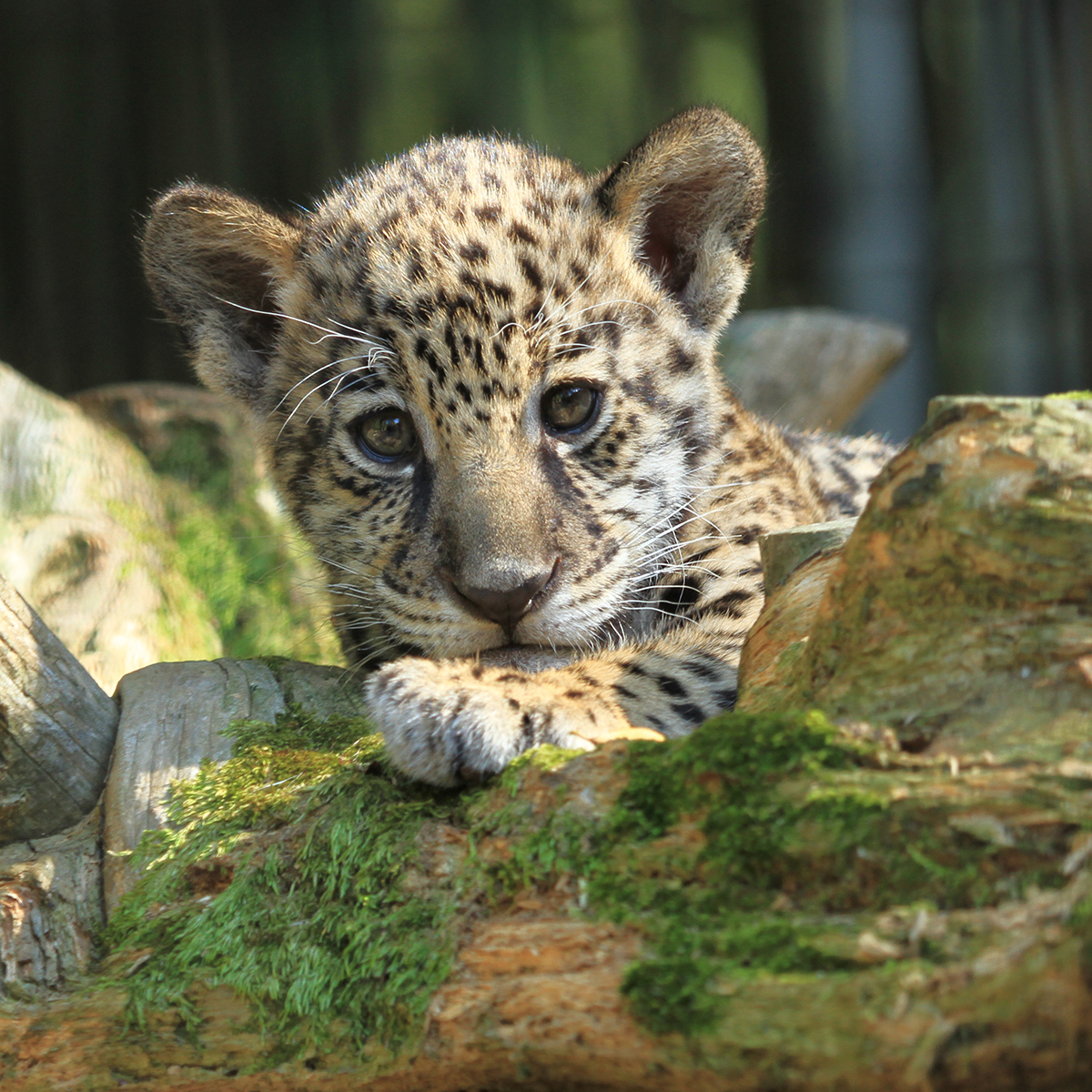
- The biological and ecological significance of jaguar cubs
- Physical characteristics and behavior of jaguar cubs
- The role of zoos in jaguar conservation efforts
- Challenges facing proper jaguar habitat and populace
- Importance of wildlife education and community engagement
The biological and ecological significance of jaguar cubs is paramount. As apex predators in their environment, jaguars maintain the balance within their ecosystems. This position helps regulate populations of various prey species, which in turn contributes to the overall health of the habitat. Jaguar cubs, like all young animals, are instrumental to the survival of this species. At a young age, they learn vital survival skills from their mothers. This maternal care is critical in the first months of life. Cubs develop physical capabilities and social behaviors that will help them thrive as adults.
Physical characteristics of jaguar cubs are particularly endearing. At birth, these cubs usually weigh between two to four pounds and are born with spots that serve as natural camouflage. With time, their distinctive rosettes develop, helping them blend into the jungle surroundings. Young jaguars exhibit playful behavior, which is essential for honing their hunting skills. This playful activity often includes chasing each other or pouncing on small objects. By engaging in these mock hunts, jaguar cubs not only strengthen their physical abilities but also develop coordination and agility, vital traits for survival in the wild.
The role of zoos in jaguar conservation efforts cannot be overlooked. Modern zoos prioritize conservation by participating in breeding programs designed to support genetic diversity among captive jaguar populations. These breeding programs are critical, particularly as wild jaguar populations face declining numbers due to habitat destruction and poaching. Furthermore, zoos often contribute to research aimed at understanding more about jaguar behaviors and health, creating a foundation for informed conservation practices. Education is another vital aspect of zoo operations. Through interactive programs and exhibits, zoos can raise awareness about the threats facing jaguars and other wildlife, fostering a sense of responsibility among visitors.
Challenges facing proper jaguar habitats also play a significant role in the species’ survival. Deforestation for agriculture and urban development has fragmented their natural environments, limiting their ability to roam and find mates. This fragmentation results in isolated populations that are unable to interbreed, leading to a decrease in genetic diversity. Additionally, poaching poses a serious threat. Jaguars are often hunted for their beautiful pelts or killed in retaliation for preying on livestock. Conservationists stress the need for comprehensive strategies that address these challenges, including habitat protection and anti-poaching initiatives.
Importance of wildlife education and community engagement cannot be overstated. Educating the public about jaguars and their ecosystems fosters a broader understanding of biodiversity and conservation. By engaging with local communities, conservation organizations can instill pride in their natural heritage. When individuals understand the value of preserving wildlife, they are generally more inclined to protect it. Programs that involve community members in conservation activities often see greater success, as these individuals become stewards of their environment.
Jaguar cubs serve as a symbol of conservation efforts and the broader ecosystem’s health. Their playful antics can elicit feelings of joy and a desire to protect not only their species but other wildlife in their habitats. Thus, by focusing on jaguar conservation, we engage in the preservation of entire ecosystems and the myriad species that depend on them. Educational initiatives and responsible zoo management practices are essential to raise awareness and highlight the importance of protecting habitats both locally and globally. Engaging the community and fostering a sense of responsibility is key to ensuring the future of jaguars and the ecology they inhabit.
Significantly, the charm of jaguar cubs captures the hearts of many. Their large eyes, playful behavior, and distinctive patterns create an immediate appeal. This appeal can be a powerful tool in conservation messaging. When people are emotionally connected to species like jaguars, they often become advocates for their protection. Public campaigns centered on the cuteness and importance of these cubs can drive awareness and action that supports conservation efforts.
Research continues to be essential in understanding various aspects of jaguar behavior and habitats. Studies on diet, reproductive patterns, and health are crucial for developing effective conservation strategies. Long-term data collection efforts can help predict how environmental changes may impact jaguar populations. As climate change advances, understanding how jaguars adapt or react to such changes is critical for informing conservation plans.
In conclusion, the intricate interplay of biological significance, habitat characteristics, and human interactions shapes the future of jaguars, particularly as they face mounting challenges. By emphasizing the importance of conservation, education, and community involvement, we lay the groundwork for a stronger future for these remarkable creatures. The cuteness of a jaguar cub is not just a passing delight; it serves as a linchpin for broader ecological health and conservation endeavors. Actively engaging with both wildlife and communities can cultivate a future where jaguars thrive alongside humans, contributing to the vibrant tapestry of biodiversity on our planet.
*****
Source Description
Get ready for cuteness overload! Our little jaguar cub was striking a pose, and we can’t handle the adorable! 🐾❤️ Just look at that face!
