
- Main Character Energy: Understanding Its Meaning and Appeal
- The Role of Grigsby in Captivating Audiences
- Zoo Management and Wildlife Conservation Practices
- Engaging the Public: The Importance of Animal Exhibits
- How Animal Personality Influences Perception and Conservation Efforts
Main Character Energy: Understanding Its Meaning and Appeal
The phrase “main character energy” has emerged as a popular cultural term to express confidence, charisma, and an undeniable presence that draws attention. This energy encapsulates a sense of self-assuredness, where individuals or even animals seem to take center stage in their surroundings. Grigsby, our charismatic host during the Zoo Atlanta visit, personified this idea. His vibrant demeanor and playful antics captured our attention instantly, making it clear that he knew precisely how to command the spotlight.
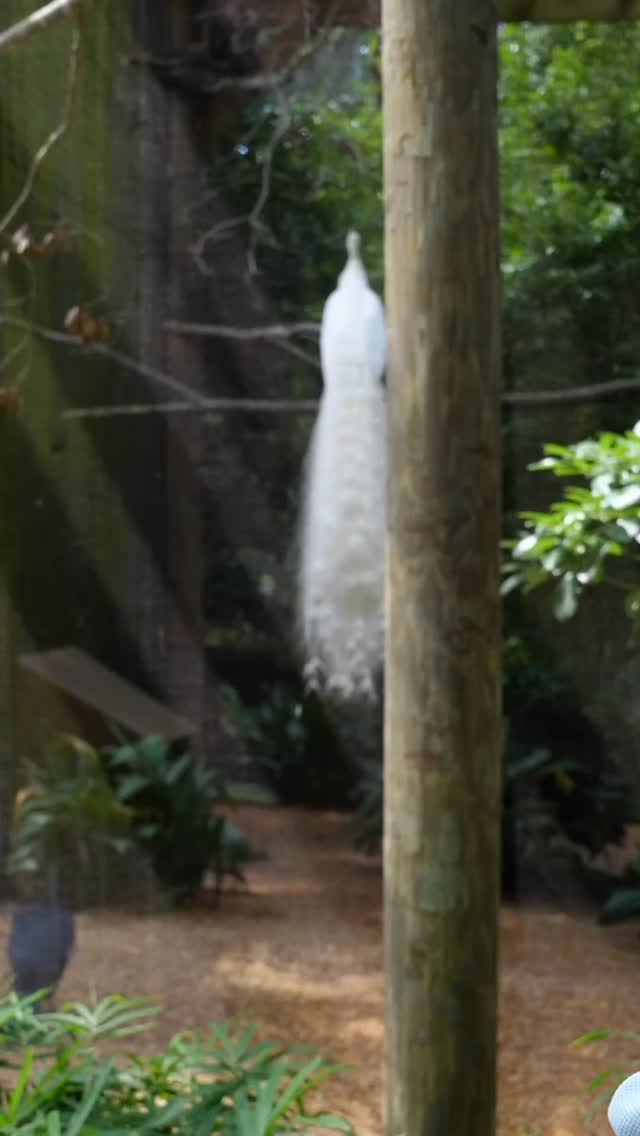
Animals exhibit behaviors that can be interpreted as main character energy. For instance, certain species are known to display flamboyant activities during mating seasons. Peacocking is common in birds like peacocks, where males fan their extravagant tail feathers to attract mates. This behavior parallels how Grigsby expertly played to the crowd. Zoo visitors often experience this charm firsthand, as charismatic animals become the highlight of their day.
The Role of Grigsby in Captivating Audiences
Grigsby, a northern fur seal at Zoo Atlanta, is a remarkable example of how a single animal can embody main character energy. His active, playful personality engages visitors, sparking curiosity and admiration. Grigsby showcases the intelligence and playful nature of his species, demonstrating how animal personalities can foster connections with human audiences.
This connection is essential for wildlife conservation. When visitors feel emotionally attached to an animal, they are more likely to support conservation efforts. Grigsby serves as a bridge between the zoo’s mission and public engagement with wildlife. Through his performances, he not only entertains but also educates the public about the challenges faced by northern fur seals in the wild, such as climate change and habitat loss.
Zoo Management and Wildlife Conservation Practices
Effective zoo management includes the careful balance of animal care, education, and conservation efforts. Modern zoos, like Zoo Atlanta, have evolved from mere attractions to significant players in wildlife conservation. The focus has shifted toward creating environments that reflect animals’ natural habitats and providing educational programs that highlight conservation challenges.
Zoo Atlanta employs the concept of “enrichment” to stimulate animals’ minds and bodies. Enrichment activities may involve creating puzzles that encourage natural foraging behaviors or introducing new scents to pique curiosity. This approach not only maintains the animals’ physical health but also enhances their mental well-being, reducing stress levels and promoting natural behaviors.
In the case of Grigsby, his day-to-day activities are designed to reflect the complexities of his species’ behavior in the wild. For instance, training sessions with zookeepers incorporate positive reinforcement techniques that mimic natural interactions. Such practices align with contemporary wildlife management philosophies that prioritize animal welfare and advocate for species conservation.
Engaging the Public: The Importance of Animal Exhibits
Public engagement is vital in the quest for wildlife conservation. Animal exhibits serve as both entertainment and education, providing visitors with insights into the lives of different species. Grigsby’s exhibit not only showcases his captivating personality but also serves as an educational tool, offering information about environmental threats and the importance of biodiversity.
Interactive exhibits allow visitors to engage with their surroundings. Many zoos offer talks and demonstrations that feature charismatic animals, leading to memorable experiences that foster a deeper understanding of nature. As visitors observe Grigsby’s lively behaviors, they learn about the nutritional needs, social structures, and conservation status of northern fur seals.
Moreover, technology plays a growing role in enhancing educational experiences. Digital displays and augmented reality features can provide additional context about the animals on exhibit. Engaging the public through multiple platforms ensures that important conservation messages resonate and inspire action.
How Animal Personality Influences Perception and Conservation Efforts
Animal personalities significantly influence how people perceive wildlife and engage with conservation efforts. Grigsby exemplifies this idea with his exuberant behavior. His unique charisma not only attracts attention but also fosters emotional connections with visitors. Studies have shown that people are more likely to support conservation initiatives when they identify positively with a specific species.
Personality traits in animals can enhance their appeal. Some animals are more social, while others exhibit a more independent nature. These characteristics can determine how they are represented in media and educational programs. For instance, an animal that interacts playfully with visitors may receive more attention and support compared to a more reserved species.
This phenomenon highlights the importance of highlighting diverse animal personalities in zoos. It encourages a broader appreciation for wildlife and emphasizes the need for conservation across various species, not just those that are deemed “cute” or “charismatic.” By showcasing a range of animals with different behaviors, zoos can engage a wider audience and promote comprehensive conservation messages.
Furthermore, media influence cannot be underestimated. Documentaries and social media campaigns that feature compelling animal stories, like that of Grigsby, can galvanize public interest. As viewers are drawn into these narratives, their understanding of ecological challenges intensifies, prompting them to consider their impact on the environment.
Grigsby’s story, woven into the larger narrative of northern fur seals, serves as an example of how personal connections drive change. When individuals feel a bond, they are motivated to advocate for wildlife protection, whether through donations, volunteering, or changing personal habits to support sustainability.
Overall, main character energy in animals like Grigsby highlights the intersection of charisma, education, and conservation. It illustrates how engaging wildlife can be a powerful catalyst for change. By understanding the nuances of animal personality and behavior, we equip ourselves to advocate effectively for wildlife conservation efforts that benefit our planet.
Zoo Atlanta and institutions worldwide play a pivotal role in fostering this main character energy. By combining animal charisma with sound management practices, educational programming, and public engagement, they create environments where both animals and humans thrive. The spotlight may be stolen, but what follows is a narrative of education, advocacy, and hope for the future of biodiversity.
*****
Source Description
Talk about main character energy! Grigsby knew EXACTLY how to steal the spotlight during our visit — and we couldn’t look away! 🦚✨
See more from our day at Zoo Atlanta at Q997Atlanta.com 💛
